Trump Orders Navy to Blast Hole in Iranian Ship Defying Hormuz Blockade
President Trump revealed that a U.S. Navy destroyer disabled an Iranian cargo ship trying to break through the Hormuz blockade, with Marines seizing control. The dramatic confrontation complicates ongoing peace negotiations as Iran refuses to participate in talks.

Major Naval Confrontation Escalates Iran-US Tensions
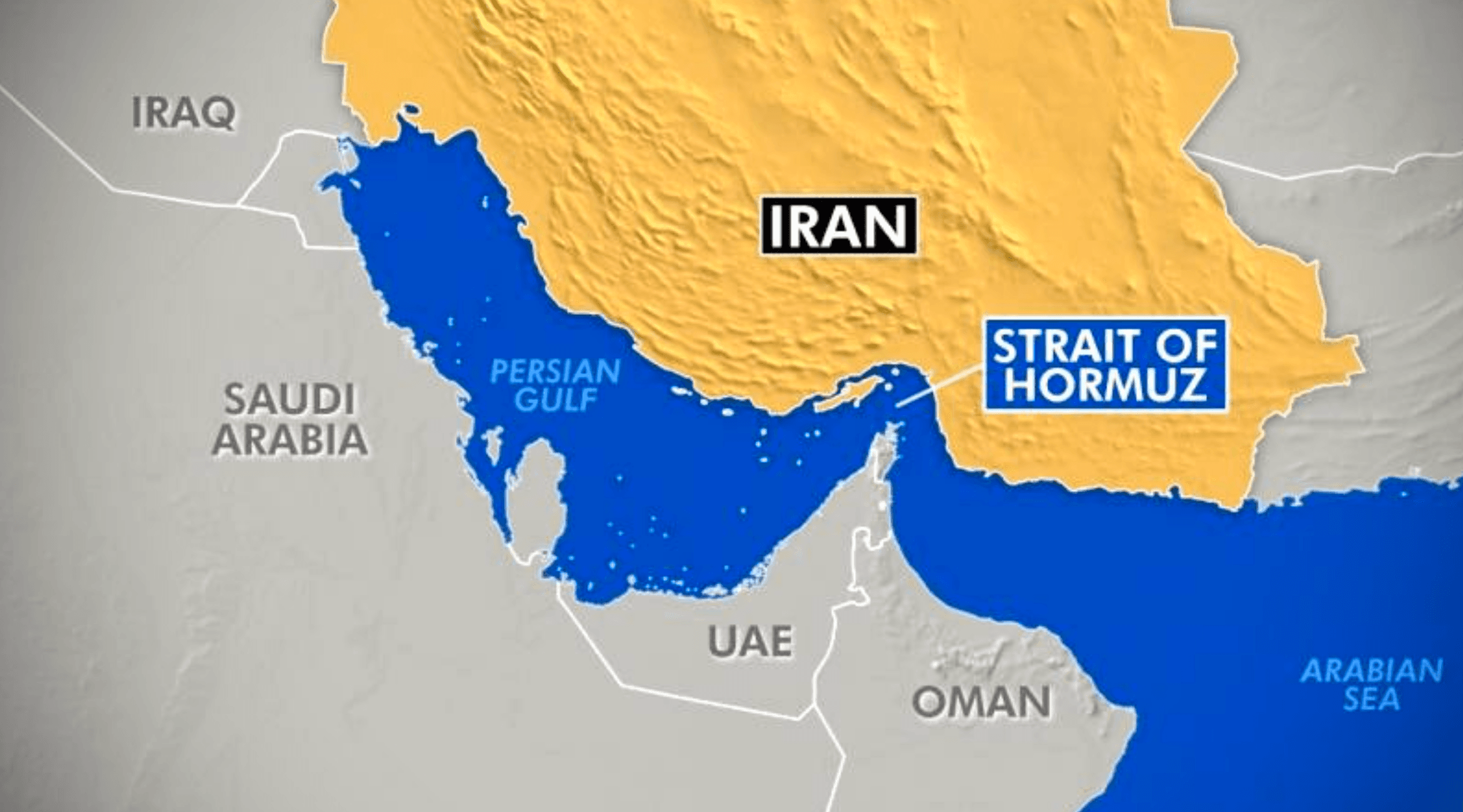
In a dramatic escalation of tensions with Iran, President Trump revealed Sunday that a U.S. Navy destroyer "blew a hole" through an Iranian cargo ship attempting to break through the American blockade of the Strait of Hormuz.
The USS Spruance intercepted Iran's Touska cargo ship in the Gulf of Oman, seizing control after the vessel ignored repeated warnings to stop. Trump took to Truth Social to boast about the successful operation, describing the nearly 900-foot Iranian vessel as weighing "almost as much as an aircraft carrier."
Dramatic Military Action Captured on Video
"Today, an Iranian-flagged cargo ship named TOUSKA tried to get past our Naval Blockade, and it did not go well for them," Trump declared on his social media platform. "Right now, U.S. Marines have custody of the vessel."
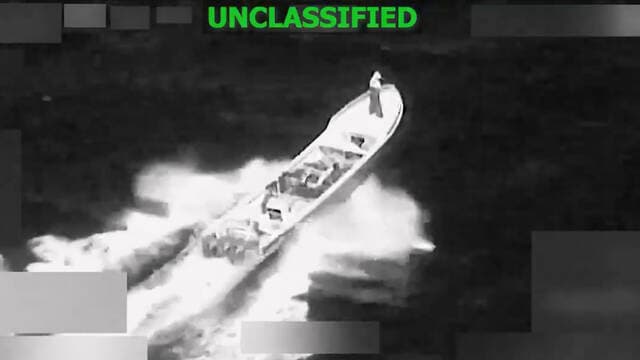
CENTCOM video footage showed the intense moments before the confrontation, with U.S. Marines issuing clear warnings to Iranian crew members. "Motor vessel Touska, vacate your engine room. We are prepared to subject you to disabling fire," a Marine can be heard saying before multiple blasts disabled the ship's engines.
The operation culminated with U.S. Marines rappelling from helicopters onto the Iranian vessel, taking full control of the sanctioned cargo ship. Trump indicated that American forces are now investigating the vessel's contents, noting that the Touska was already under U.S. Treasury sanctions due to "prior history of illegal activity."
Peace Talks Complicated by Military Action
The naval confrontation comes at a critical juncture as Trump pushes for a peace deal with Iran before a two-week ceasefire expires Tuesday. The president has dispatched special envoys Steve Witkoff and Jared Kushner to Pakistan for negotiations, with Vice President JD Vance leading the discussions.
However, Iran appears to be hardening its position in response to American military pressure. Top Iranian officials have refused to participate in the talks, citing what they call "Washington's excessive demands" and the ongoing naval blockade as violations of the ceasefire agreement.
Economic Warfare Through Naval Blockade
Trump's blockade strategy targets one of the world's most critical shipping lanes, where approximately 20% of global seaborne oil supplies transit annually. Iran has previously disrupted this vital waterway by attacking commercial vessels and allegedly laying mines throughout the strait.
Secretary of War Pete Hegseth emphasized the overwhelming nature of American naval superiority, claiming the blockade uses "less than 10% of America's naval power." The administration has expanded the operation beyond the Strait of Hormuz, with U.S. officials clarifying that Iranian ships worldwide are now being targeted.
Trump's Nuclear Ultimatum
The president has maintained an uncompromising stance on Iran's nuclear program, demanding that Tehran abandon uranium enrichment and surrender all enriched materials to the United States. Intelligence suggests Iran has hidden significant quantities of enriched uranium in underground bunkers.
Trump's negotiating position also requires Iran to guarantee full reopening of the Strait of Hormuz to international shipping. The economic implications are massive, as continued disruptions have already deterred commercial traffic through this crucial maritime corridor.
Military Pressure Campaign Intensifies
The seizure of the Touska represents a significant escalation in Trump's pressure campaign against Iran's theocratic regime. Unlike previous diplomatic approaches that relied primarily on economic sanctions, this administration has demonstrated willingness to use direct military force against Iranian assets.
Should negotiations fail to produce a comprehensive agreement, Trump has threatened even more severe military action. The president has specifically mentioned targeting Iran's energy infrastructure and transportation networks, including bridges critical to the country's domestic economy.
Global Implications
The confrontation highlights the delicate balance between military pressure and diplomatic resolution. While Trump's aggressive approach has clearly demonstrated American naval dominance, it has also prompted Iran to withdraw from peace negotiations entirely.
With the ceasefire set to expire in days, the international community watches nervously as two nuclear-capable nations edge closer to broader conflict. The successful seizure of the Touska may serve Trump's domestic political objectives, but it has undeniably complicated efforts to achieve a lasting peace agreement with Iran.
The coming days will prove critical in determining whether military pressure can force Iranian concessions or whether it will drive the regime toward more extreme measures in response to American actions.
React to this story
Share this story
Stay in the loop
Get breaking presidential news delivered to your inbox daily.