Trump Orders Navy to Seize Iranian Cargo Ship: Marines Take Control After Engine Room Blast
U.S. Navy forces seized Iranian cargo ship TOUSKA after it attempted to breach the Strait of Hormuz blockade, with Marines taking control following engine room bombardment. The dramatic escalation comes as ceasefire negotiations hang in the balance.
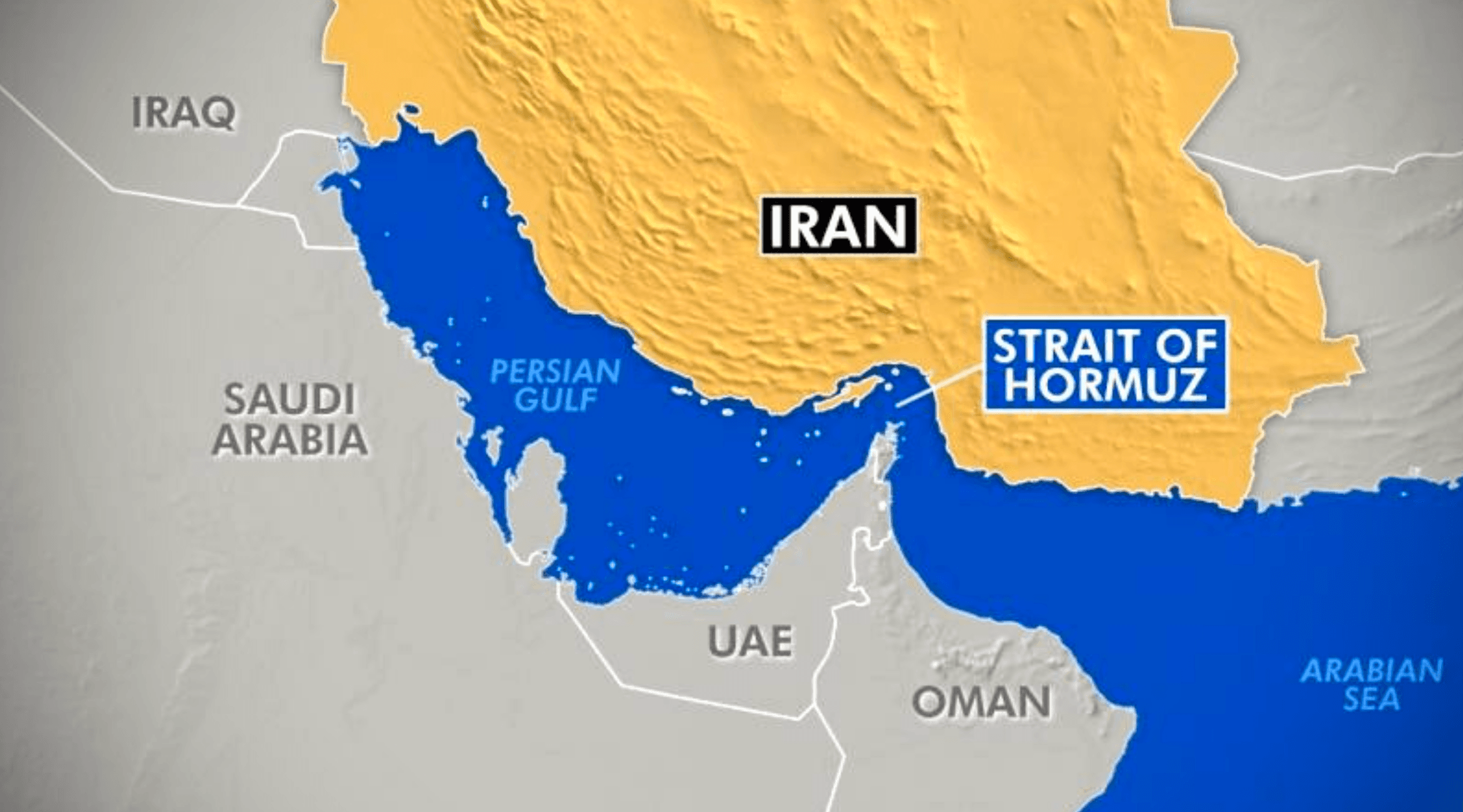
Trump Orders Navy to Seize Iranian Cargo Ship: Marines Take Control After Engine Room Blast
In a dramatic escalation of tensions in the Persian Gulf, President Trump announced Sunday that U.S. Navy forces seized an Iranian cargo ship attempting to breach the American blockade of the Strait of Hormuz. The USS Spruance disabled the vessel by "blowing a hole in the engine room" after the Iranian crew refused to comply with repeated warnings.
Blockade Enforcement Intensifies
The seizure of the Iranian-flagged cargo ship TOUSKA marks a significant escalation in the high-stakes confrontation between the United States and Iran over control of the vital shipping lane. The 900-foot vessel, weighing nearly as much as an aircraft carrier, was intercepted in the Gulf of Oman as it attempted to reach the Iranian port of Bandar Abbas.
"Today, an Iranian-flagged cargo ship named TOUSKA... tried to get past our Naval Blockade, and it did not go well for them," Trump declared on Truth Social. "The U.S. Navy Guided Missile Destroyer USS SPRUANCE intercepted the TOUSKA in the Gulf of Oman, and gave them fair warning to stop. The Iranian crew refused to listen, so our Navy ship stopped them right in their tracks by blowing a hole in the engineroom."
Military Operation Details
According to the Department of War's official statement, the operation unfolded over six hours as American forces issued multiple warnings to the Iranian vessel. The TOUSKA was traveling at 17 knots when intercepted, with the crew initially refusing to comply with blockade orders.
After exhausting diplomatic warnings, the USS Spruance directed the Iranian crew to evacuate their engine room before firing several rounds from the destroyer's 5-inch MK 45 gun into the vessel's propulsion system. U.S. Marines from the 31st Marine Expeditionary Unit subsequently boarded the disabled ship, which remains in American custody.
"American forces acted in a deliberate, professional, and proportional manner to ensure compliance," the Pentagon stated. "Since the blockade's commencement, U.S. forces have directed 25 commercial vessels to turn around or return to an Iranian port."
Iran's Mixed Signals
The seizure comes amid conflicting messages from Iranian leadership about the status of the Strait of Hormuz. While Iran's foreign minister declared the strait open on Friday, the Islamic Revolutionary Guard Corps (IRGC) announced its closure just one day later. The U.S. blockade specifically targets vessels entering and leaving Iranian ports, not general maritime traffic.
Interestingly, ship tracking data revealed that an empty Iranian-flagged Very Large Crude Carrier (VLCC) was permitted to pass through the blockade successfully, highlighting the selective enforcement targeting loaded cargo vessels.
Ceasefire Negotiations in Jeopardy
The incident occurs as peace negotiations between Washington and Tehran hang in the balance. The current two-week ceasefire agreement expires Tuesday, with talks scheduled to resume in Pakistan this week. However, Iran initially announced it would not send a delegation, though Saudi reports suggest an Iranian team arrived in Islamabad on Sunday.
Trump's response to Iranian aggression has been characteristically forceful. After Iranian forces fired on ships in the strait Saturday, he warned: "if they don't take the DEAL, it will be my Honor to do what has to be done, which should have been done to Iran, by other Presidents, for the last 47 years."
Economic Pressure Mounts
The blockade represents a significant economic weapon against Iran, with Trump noting that the Islamic Republic loses approximately $500 million daily from the strait's closure. The TOUSKA itself operates under U.S. Treasury sanctions due to previous illegal activities, making its seizure particularly significant from a legal standpoint.
Vessel tracking data shows the TOUSKA originated its journey in China in late March, making a stop in Malaysia before attempting to reach Iran. This route highlights the international implications of the blockade and its impact on global supply chains.
Strategic Implications
The successful seizure demonstrates American naval superiority in the region while sending a clear message to Iran about the consequences of challenging U.S. maritime authority. With Marines now controlling the vessel and investigating its cargo, the operation may yield valuable intelligence about Iranian supply networks and sanctions evasion efforts.
As diplomatic efforts continue in Pakistan, the seizure of the TOUSKA serves as a powerful reminder of America's military capabilities and Trump's willingness to back diplomatic initiatives with decisive force. The coming days will reveal whether this show of strength pushes Iran toward meaningful negotiations or further escalates an already volatile situation in one of the world's most critical shipping lanes.
React to this story
Share this story
Stay in the loop
Get breaking presidential news delivered to your inbox daily.