Trump Orders Marines to Seize Iranian Cargo Ship in Strait of Hormuz Escalation
President Trump announced U.S. Marines have seized an Iranian cargo ship trying to evade the Strait of Hormuz blockade. The first forcible interception since the naval blockade began threatens to complicate upcoming diplomatic talks.

Trump Orders Marines to Seize Iranian Cargo Ship in Strait of Hormuz Escalation
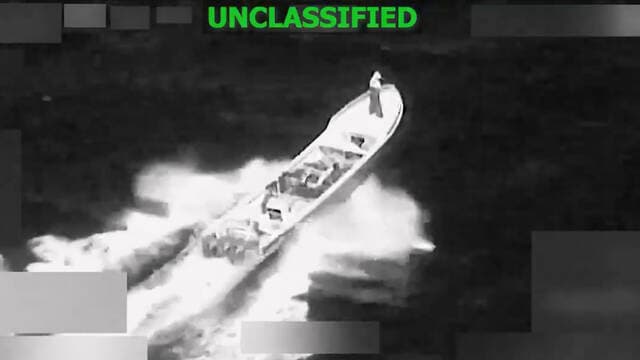
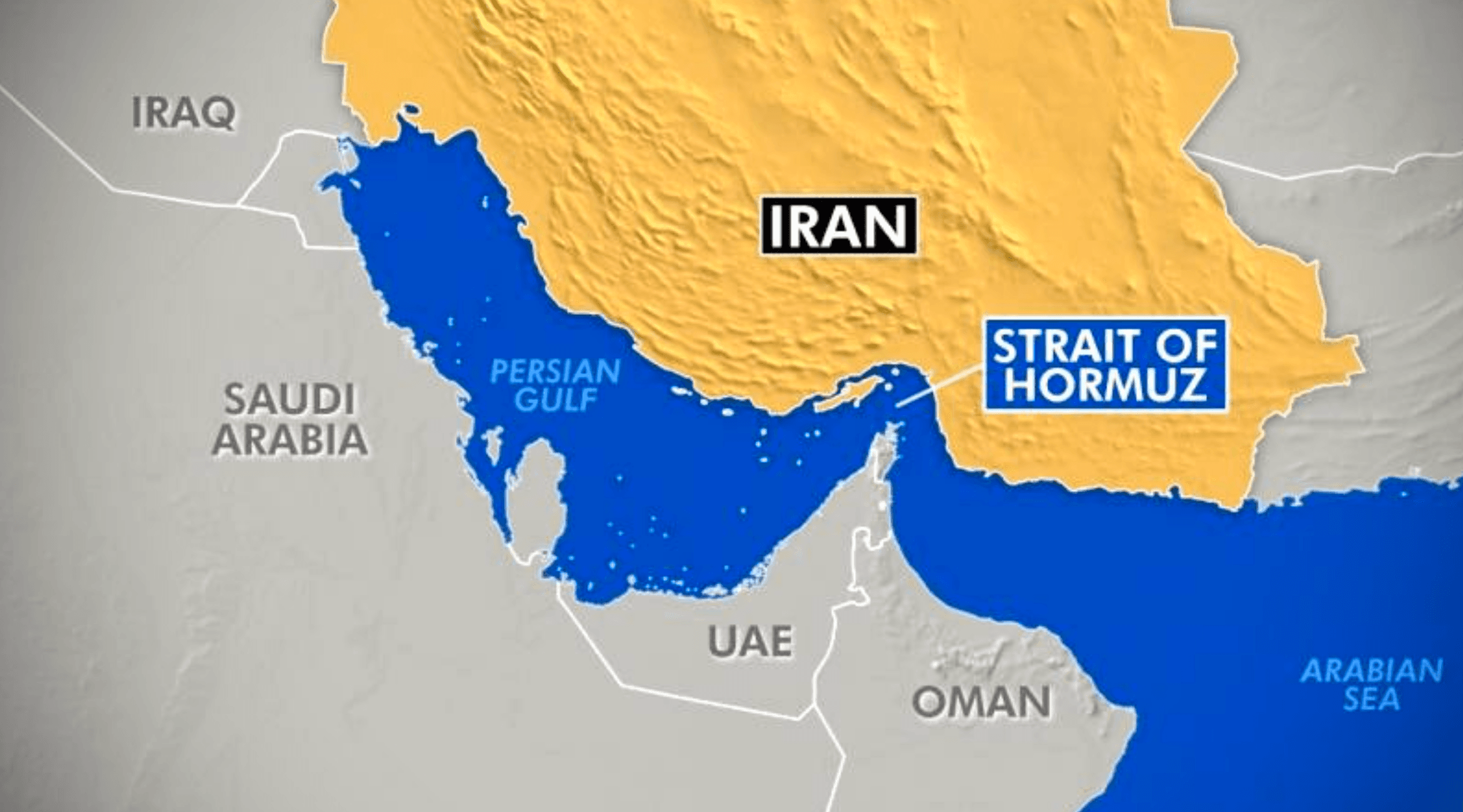
In a dramatic escalation of tensions in the Persian Gulf, President Trump announced Sunday that U.S. Marines have forcibly seized an Iranian-flagged cargo vessel that attempted to evade the ongoing naval blockade near the Strait of Hormuz.
The vessel, identified as the Touska, was intercepted by a U.S. Navy guided missile destroyer in the Gulf of Oman after ignoring orders to stop. According to Trump's social media posts, the Navy "stopped them right in their tracks by blowing a hole in the engineroom," with Marines now in custody of the ship and investigating its cargo.
First Ship Seizure Since Blockade Implementation
This marks the first forcible interception since the U.S. implemented its naval blockade of Iranian ports last week, representing a significant military action that could further complicate already tense diplomatic negotiations. The seizure comes as both nations remain locked in a standoff over control of the critical waterway that handles roughly one-fifth of global oil trade.
Trump's announcement has thrown uncertainty over previously scheduled talks with Iran, with U.S. negotiators expected to head to Pakistan Monday for another round of diplomatic discussions. The timing raises questions about whether the ship seizure was intended to strengthen America's negotiating position or signals a breakdown in diplomatic efforts.
Diplomatic Tensions Mount
Vice President JD Vance is set to lead the U.S. delegation to Pakistan, accompanied by envoys Steve Witkoff and Jared Kushner, following the first round of historic face-to-face talks that lasted 21 hours last weekend. However, the ship seizure has introduced new complications into an already fragile diplomatic process.
Iranian officials have maintained their hardline stance, with parliament speaker Mohammed Bagher Qalibaf stating that "It is impossible for others to pass through the Strait of Hormuz while we cannot." This declaration underscores Iran's determination to maintain its influence over the strategic waterway until the U.S. blockade is lifted.
Economic and Military Implications
The ongoing crisis has created one of the worst global energy emergencies in decades, with hundreds of vessels waiting at both ends of the strait for clearance to transit. The waterway's closure affects not only oil shipments but also critical supplies including fertilizer, natural gas, and humanitarian aid destined for regions like Afghanistan and Sudan.
Iran's foreign ministry spokesperson Esmail Baghaei condemned the U.S. blockade as an "act of aggression," while Trump has escalated his rhetoric with threats against Iranian infrastructure. In his latest statements, the president warned that if Iran doesn't accept U.S. proposals, America will "knock out every single Power Plant, and every single Bridge, in Iran."
Regional Security Concerns
The situation has drawn in regional allies, with India summoning Iran's ambassador after Iranian forces fired on two Indian-flagged merchant ships, forcing them to turn around. This incident highlights how the standoff is affecting neutral parties and international shipping beyond the immediate U.S.-Iran conflict.
Pakistan continues its mediation efforts, with Foreign Minister Ishaq Dar and Prime Minister Shehbaz Sharif conducting extensive phone consultations with Iranian leadership. However, significant gaps remain between the negotiating positions, particularly regarding Iran's nuclear enrichment program and its network of regional proxies.
Nuclear Standoff Continues
A key sticking point in negotiations remains Iran's stockpile of 970 pounds of enriched uranium. Iranian Deputy Foreign Minister Saeed Khatibzadeh has declared that handing over this material to the United States is "a nonstarter," though he indicated willingness to "address any concerns" through alternative arrangements.
As the crisis enters its eighth week, casualty figures continue mounting, with at least 3,000 killed in Iran, over 2,290 in Lebanon, and dozens more across the region. The human cost underscores the urgent need for diplomatic resolution, even as military actions like the Touska seizure suggest both sides are preparing for continued escalation.
The coming days will prove critical as negotiators attempt to balance military pressure with diplomatic progress, while the global economy watches nervously as one of the world's most important shipping lanes remains effectively closed.
React to this story
Share this story
Stay in the loop
Get breaking presidential news delivered to your inbox daily.