Trump Announces First Naval Seizure of Iranian Cargo Ship in Strait of Hormuz Blockade
President Trump announced the U.S. Navy forcibly seized an Iranian cargo ship trying to breach the new naval blockade near the Strait of Hormuz. The dramatic action throws upcoming diplomatic talks with Iran into question.

Trump Announces First Naval Seizure of Iranian Cargo Ship in Strait of Hormuz Blockade
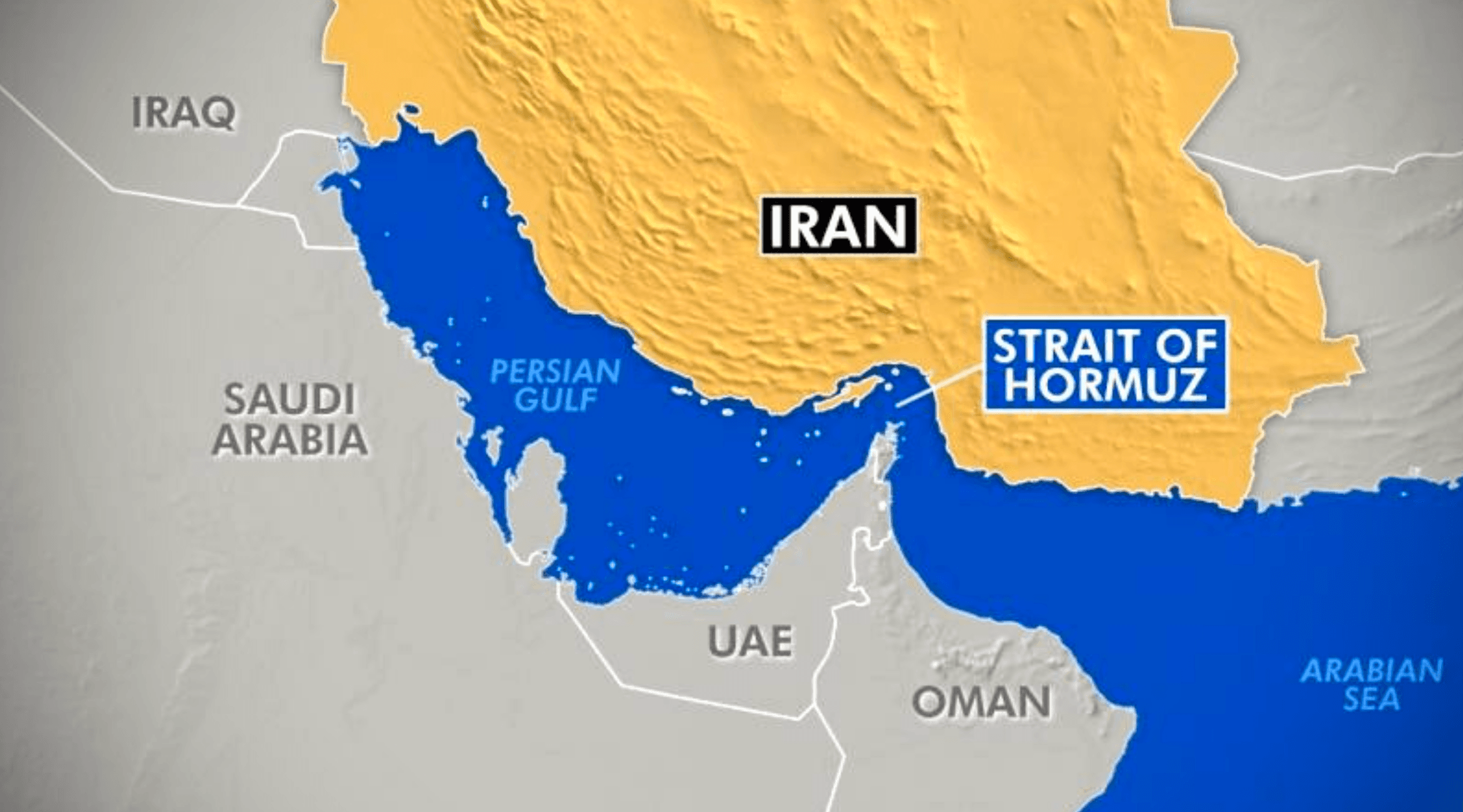
President Donald Trump announced on Sunday that the U.S. Navy has forcibly seized an Iranian-flagged cargo ship attempting to circumvent America's newly established naval blockade near the Strait of Hormuz. The dramatic escalation marks the first such interception since Trump authorized the blockade of Iranian ports just last week.
First Military Action Under New Blockade
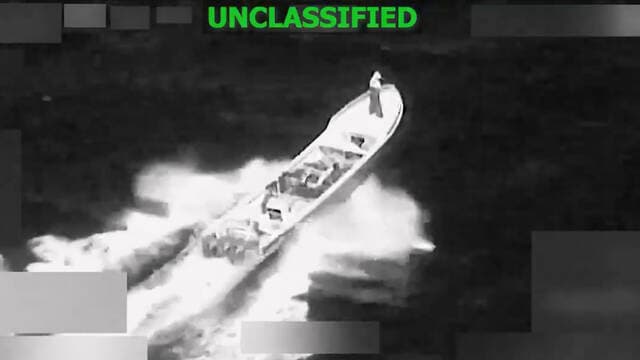
According to Trump's statement, a U.S. Navy guided missile destroyer operating in the Gulf of Oman intercepted the vessel, identified as the Touska, using decisive force. "They stopped them right in their tracks by blowing a hole in the engineroom," Trump declared, emphasizing the military's swift and aggressive response to the attempted blockade violation.
U.S. Marines have now taken custody of the Iranian cargo ship and are conducting a thorough inspection of its contents. "U.S. Marines were seeing what's on board!" Trump announced, suggesting that the vessel's cargo could contain significant intelligence or contraband materials that justified the forceful intervention.
Strategic Implications for Regional Tensions
The seizure represents a significant escalation in U.S.-Iran relations and demonstrates Trump's willingness to enforce maritime restrictions through direct military action. The Strait of Hormuz, one of the world's most critical shipping chokepoints, handles approximately 20% of global oil transit, making any disruption to navigation a matter of international economic concern.
This military action comes at a particularly sensitive time, as Trump had previously announced that U.S. negotiators were scheduled to travel to Pakistan on Monday for another round of diplomatic talks with Iran. The seizure of the Iranian vessel has now thrown those planned negotiations into serious doubt, with Iran yet to confirm its participation in the diplomatic proceedings.
Blockade Strategy and Implementation
The naval blockade of Iranian ports, implemented just one week ago, represents one of Trump's most aggressive foreign policy moves targeting Iran's economic lifelines. By controlling access to and from Iranian ports, the administration aims to severely restrict Iran's ability to conduct international trade and potentially access materials for its nuclear program or military capabilities.
The use of a guided missile destroyer to disable the Iranian cargo ship by "blowing a hole in the engineroom" demonstrates the administration's commitment to enforcing the blockade through whatever means necessary. This approach signals to other nations and shipping companies that attempts to breach the American naval cordon will face immediate and potentially devastating consequences.
International Response and Future Implications
The forceful seizure of the Touska is likely to generate significant international attention and potentially criticism from allies concerned about escalating tensions in the Persian Gulf. Maritime law experts will undoubtedly scrutinize the legal justifications for the aggressive action, particularly given the vessel was flying under an Iranian flag.
For Iran, the loss of the cargo ship and its contents represents both an economic blow and a strategic intelligence breach. The fact that U.S. Marines are now examining the vessel's cargo could provide American intelligence agencies with valuable insights into Iran's supply chains, trade relationships, and potentially sensitive materials.
Diplomatic Fallout and Next Steps
The timing of this military action, coming just one day before scheduled diplomatic talks, suggests either a deliberate strategy to strengthen America's negotiating position or a breakdown in communication between military and diplomatic channels. Iran's silence on whether it will attend the Pakistan talks indicates the regime may be reassessing its diplomatic strategy in light of this latest confrontation.
As tensions continue to escalate in the Persian Gulf, the international community will be watching closely to see whether this seizure leads to further military confrontations or potentially opens new avenues for negotiation from a position of American strength. The Trump administration's willingness to use direct military force to enforce its Iran policy has now been demonstrated beyond any doubt.
React to this story
Share this story
Stay in the loop
Get breaking presidential news delivered to your inbox daily.