Waltz Defends Trump's Threat to Destroy Iran's Power Plants Amid Escalating Crisis
UN Ambassador Mike Waltz defended Trump's threat to destroy Iran's power plants and bridges as diplomatic leverage. The controversial strategy faces criticism as peace talks loom in Pakistan.

UN Ambassador Backs President's Military Threats as Diplomatic Tool
U.S. Ambassador to the United Nations Mike Waltz doubled down on President Trump's controversial threats against Iran's infrastructure, defending the administration's aggressive stance as "diplomacy first" backed by military might.
In a stark social media post Sunday morning, Trump escalated tensions with Iran, declaring: "We're offering a very fair and reasonable DEAL, and I hope they take it because, if they don't, the United States is going to knock out every single Power Plant, and every single Bridge, in Iran. NO MORE MR. NICE GUY."
Military Options "On the Table"
Appearing on ABC's "This Week," Waltz emphasized that "all options are on the table" while justifying the president's inflammatory rhetoric as a negotiating tactic ahead of crucial peace talks scheduled for Monday in Pakistan.
"We could take that infrastructure out relatively easily. The Iranian air defenses have been absolutely decimated," Waltz told co-anchor Jonathan Karl, signaling America's military superiority in the region.
The UN Ambassador pushed back against critics who argue such strikes would constitute war crimes, claiming that dual-use infrastructure represents legitimate military targets under international law. Drawing parallels to World War II, Waltz argued that destroying bridges and power plants used for both civilian and military purposes falls within acceptable warfare parameters.
"The Iranian regime in particular, and its terrorist proxies have a long history of actually deliberately hiding military infrastructure in hospitals, schools, neighborhoods and other civilian assets," Waltz added. "They have no ground to stand on."
Democratic Opposition Mounts
Democratic Congressman Ro Khanna sharply criticized the administration's approach, warning that Trump has "escalated to devastation" rather than pursuing measured diplomacy.
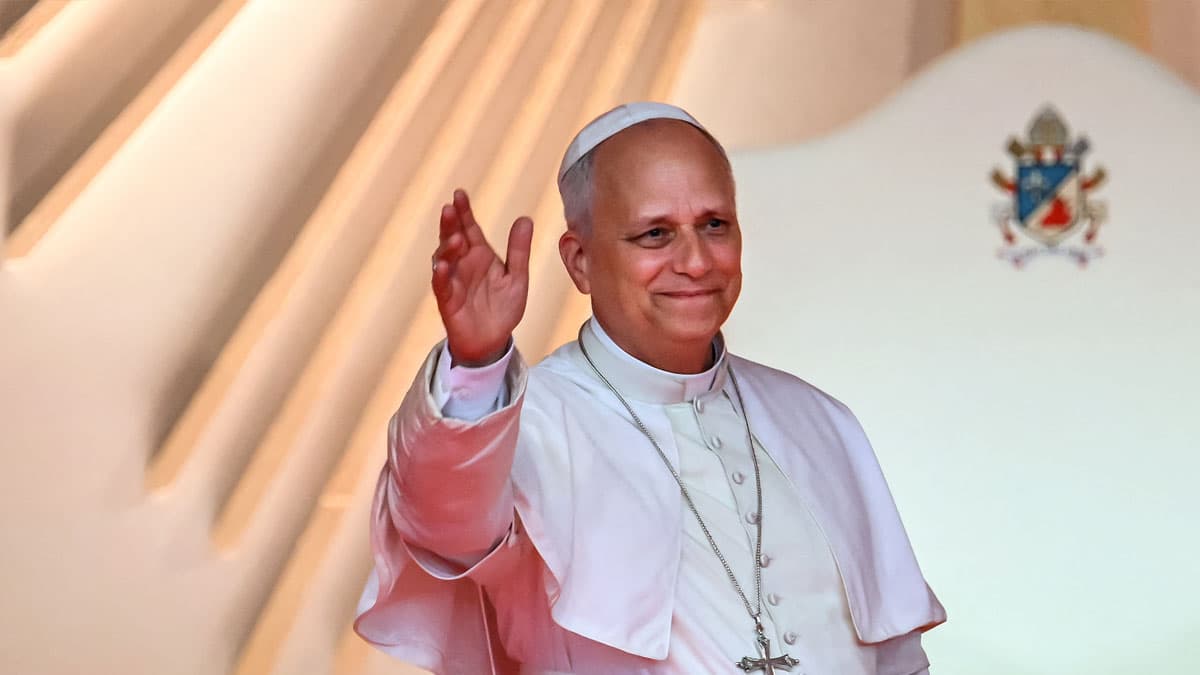
"I mean, you have the pope lecturing America about possible war crimes. You have the president threatening to destroy all power plants. I didn't think we would ever get to that point," Khanna said during his "This Week" appearance.
The California Democrat also questioned the administration's priorities, asking why Trump appears "more obsessed with the Middle East" than addressing domestic American concerns.
Historic Diplomatic Engagement
Despite the heated rhetoric, Waltz emphasized the significance of upcoming negotiations, describing them as "the highest-level engagements between the United States and the Iranian regime in the 47 years, since it first came to power."
The talks, set to take place in Islamabad, represent a potential breakthrough in decades of hostile relations between Washington and Tehran. However, last-minute security concerns created confusion about the U.S. delegation's composition.
Initially, Waltz indicated that Vice President JD Vance would lead the American team. However, Trump later clarified that the Secret Service deemed it too risky to send Vance to Pakistan on such short notice. A White House official confirmed that Vance will attend alongside special envoy Steve Witkoff and Jared Kushner, the president's son-in-law.
Strategic Escalation or Dangerous Brinkmanship?
Trump's latest threats represent a significant escalation in the ongoing crisis with Iran, raising questions about whether such aggressive posturing enhances or undermines diplomatic efforts. The president's "escalate to de-escalate" strategy mirrors tactics employed during his previous term, where maximum pressure campaigns preceded major negotiations.
The administration's approach reflects a calculated gamble that Iran will accept American terms rather than risk devastating military strikes against its critical infrastructure. However, critics warn that such threats could backfire, potentially pushing Iran toward more extreme positions or triggering unintended conflicts.
International Implications
The controversy extends beyond bilateral U.S.-Iran relations, with international observers expressing concern about potential violations of international humanitarian law. The pope's recent comments about possible American war crimes underscore growing global unease with Trump's confrontational approach.
As Monday's Pakistan talks approach, the world watches to see whether Trump's high-stakes strategy will yield diplomatic breakthroughs or further destabilize an already volatile Middle East. The outcome could define not only U.S.-Iran relations but also set precedents for American foreign policy under Trump's renewed presidency.
React to this story
Share this story
Stay in the loop
Get breaking presidential news delivered to your inbox daily.