
Pope Leo XIV's Humanitarian Pacifism Sparks Debate on Christianity, War, and Islamic Relations
Pope Leo XIV faces criticism for his humanitarian approach to Iran and Islamic relations, with critics arguing his functional pacifism departs from traditional Catholic wisdom on war and peace. The pontiff's selective condemnations of U.S. and Israeli actions while remaining silent on Iranian oppression have sparked debate about Vatican foreign policy.
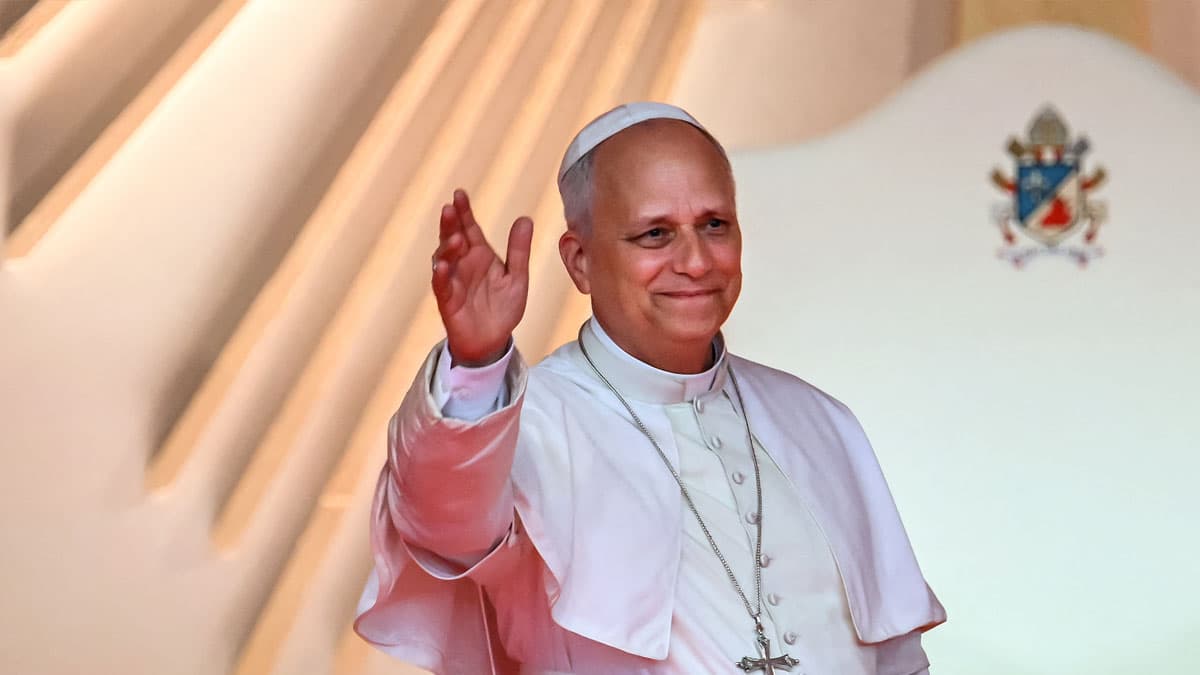
Pope Leo XIV's Humanitarian Pacifism Sparks Debate on Christianity, War, and Islamic Relations
Pope Leo XIV has found himself at the center of theological and political controversy as critics question his approach to foreign policy, particularly regarding Iran and Islamic relations. The pontiff's stance, described by some as "functional pacifism," has drawn both praise and concern from Catholic scholars and political observers alike.
A Departure from Traditional Catholic Doctrine?
According to political philosopher Daniel J. Mahoney, writing in City Journal, Pope Leo XIV represents a troubling shift away from traditional Catholic wisdom on matters of war and peace. While acknowledging the pope as "an admirable shepherd and sincere witness to the Gospel," Mahoney argues that Leo's humanitarian approach may be divorced from the political realities facing the West.
The critique centers on what Mahoney sees as the Vatican's embrace of "humanitarian illusions" - a tendency to prioritize abstract compassion over prudent political judgment rooted in natural law and right reason. This shift, according to critics, has led to a selective application of moral principles that may inadvertently favor hostile regimes while criticizing democratic allies.
Iran Nuclear Crisis and Selective Condemnation
Pope Leo XIV has issued what observers describe as "harsh admonitions" directed at U.S. and Israeli efforts to prevent Iran from acquiring nuclear weapons. The pontiff's statements have focused on condemning the potential for military action while remaining largely silent about Tehran's domestic repression and support for militant groups across the Middle East.
This selective criticism has raised questions about whether the Vatican fully grasps the nature of the Iranian threat. Critics argue that the pope's approach fails to acknowledge the ideological zeal of the Islamic regime and its decades-long hostility toward the West and Christian communities.
The pope's stance appears particularly problematic to those who remember previous papal leadership during the Cold War, when the Catholic Church clearly recognized and condemned totalitarian ideologies. Today's Vatican, critics suggest, seems more inclined to view international organizations favorably while treating sovereign democratic nations with suspicion.
The Lebanon Visit Controversy
During his November-December 2025 visit to Lebanon, Pope Leo XIV praised the country as a model of religious "coexistence," describing it as a place where "Islam and Christianity are both present and respected." However, this characterization has been challenged by demographic realities on the ground.
Christians have fled Lebanon in massive numbers since the Lebanese Civil War, with many Maronite Catholics now living in diaspora communities in France and Michigan rather than their ancestral homeland. Hezbollah's growing influence has intimidated both Christians and Sunni Muslims, fundamentally altering the country's religious landscape.
Critics argue that the pope's rosy assessment ignores these harsh realities and fails to adequately address the persecution facing Christian communities across Africa and the Middle East.
Historical Context and Theological Tradition
The debate touches on deeper questions about how the Catholic Church should engage with Islam. Historical Catholic theologians, including John of Damascus, Thomas Aquinas, and more recently Pope Benedict XVI, have offered frank assessments of Islamic theology and its relationship to Christianity.
Pope Benedict XVI's 2006 Regensburg Address, which urged Muslims to reject violence as an essential instrument of religion and engage with the concept of divine reason (Logos), represented a different approach from the current Vatican's more accommodating stance.
Critics note the historical contrast between Jesus Christ as the "Prince of Peace" and Muhammad as a "warrior, conqueror, and theocratic ruler" - a distinction they believe deserves honest theological reflection rather than politically correct formulations.
Balancing Peace and Prudence
While Pope Leo XIV deserves credit for his commitment to peace and dialogue with people of good will, the current debate highlights tensions within contemporary Christianity about how to respond to global threats. The question remains whether the Vatican's humanitarian approach adequately addresses the complex realities of international relations and the protection of vulnerable Christian communities worldwide.
As the Iran nuclear crisis continues to unfold, the pope's influence on Catholic opinion and Western policy debates will likely face continued scrutiny from those who believe that moral leadership requires not just compassion, but also prudent recognition of genuine threats to human dignity and religious freedom.
React to this story
Share this story
Stay in the loop
Get breaking presidential news delivered to your inbox daily.

