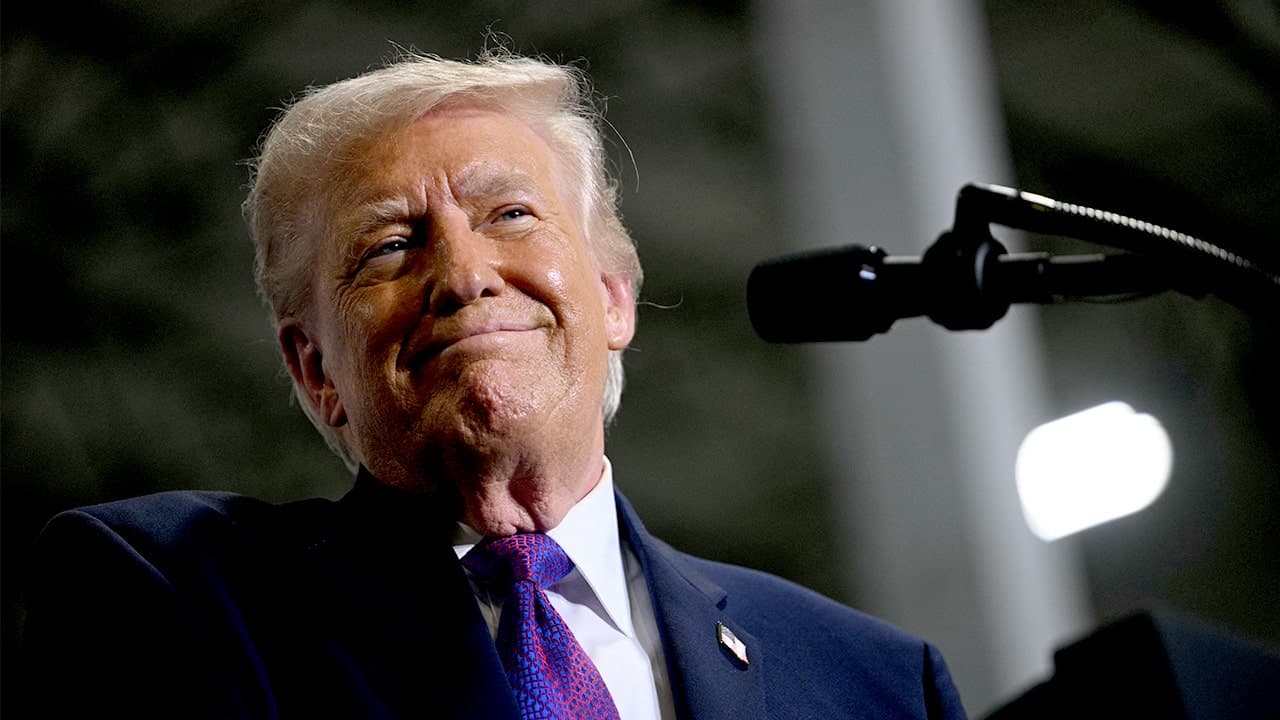
Trump's First Presidential Appearance at White House Correspondents' Dinner Sparks Fierce Debate Among Journalists
President Trump will attend the White House Correspondents' Dinner for the first time as president this weekend, sparking fierce debate among journalists about press freedom and professional integrity. Over 350 former journalists have signed a petition urging attendees to speak forcefully in defense of the press.
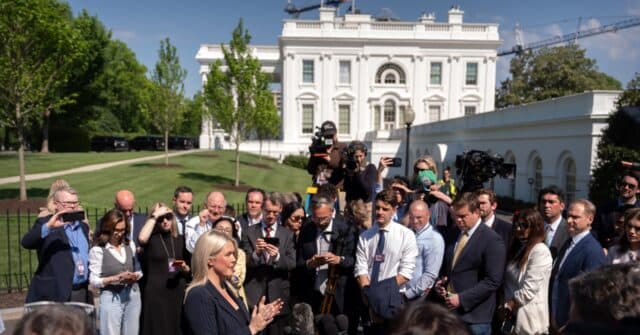
Trump Set to Make Historic First Presidential Appearance at White House Correspondents' Dinner
For the first time in his presidency, Donald Trump is planning to attend the annual White House Correspondents' Association dinner this weekend, creating an unprecedented situation that has ignited fierce debate within media circles about journalistic integrity and the relationship between press and power.
A Complex Moment for Media-Presidential Relations
The announcement has brought intense scrutiny to what's traditionally known as the "nerd prom" — a black-tie event where reporters and government officials gather for an evening of speeches, awards, and comedy. The prospect of Trump's attendance comes against the backdrop of his administration's contentious relationship with the press, including ongoing legal battles with major news organizations and restrictions on media access.
"This is sort of a critical moment for these dinners and it will be interesting to see what happens going forward," said Lisa Stark, a former ABC News reporter who has been closely following the controversy.
Petition Calls for Journalistic Stand
Stark, along with longtime colleague Ian Cameron, has circulated a petition urging journalists attending Saturday's event to "speak forcefully" in defense of press freedom with Trump in attendance. The petition has garnered significant support, with notable figures like Dan Rather and former ABC White House reporter Sam Donaldson among more than 350 former journalists who have signed on.
Some reporters are even discussing visible protests, such as wearing lapel pins promoting the First Amendment, as a way to demonstrate their commitment to press freedom while maintaining professional decorum.
Historical Context and Present Tensions
Trump's complicated history with the correspondents' dinner adds another layer to the controversy. He famously attended in 2011 as a private citizen, visibly grimacing as then-President Barack Obama delivered pointed jokes at his expense. Calvin Coolidge was the first president to attend the dinner in 1924, and chief executives have traditionally appeared as good sports while comedians roast them.
However, Trump's relationship with the media as president has been markedly different from his predecessors, characterized by regular confrontations with individual reporters, ongoing litigation with major news outlets, and what critics describe as systematic efforts to undermine press freedom.
Strong Opposition from Media Figures
"The only thing more insulting for the press than Trump not coming is Trump coming," wrote Kelly McBride, NPR ombudsman and head of the Poynter Institute's ethics and leadership center, capturing the sentiment of many journalists who view the president's attendance as problematic.
Former AP White House reporter Ron Fournier was even more direct in his criticism, writing on Substack: "This man mocks you, sues you, and targets you for prosecution, and you're having dinner with him?" The HuffPost has announced its journalists won't attend as a protest.
Awards Ceremony Promises Uncomfortable Moments
If Trump remains for the entire evening, he'll witness awards being presented to journalists and organizations he has publicly criticized. CNN's Kaitlan Collins is among the honorees, as is The Wall Street Journal, which is being recognized for reporting on Trump's birthday message to convicted sex offender Jeffrey Epstein — a story that prompted the president to sue the newspaper.
The Associated Press, currently battling Trump in court over press access issues, is also being honored, setting up potentially awkward moments throughout the evening.
Defending Professional Relationships
Not all journalists oppose Trump's attendance. Todd Gilman, a former White House bureau chief for the Dallas Morning News and current journalism professor at Arizona State University, argues that it's not the press's role to make news by snubbing the president.
Gilman and others defend the dinner as an opportunity for journalists to build relationships that can prove valuable in their reporting. "Even if you're not sitting with an administration official, you have the opportunity to walk up to someone, say hi, break the ice and give them a business card," he explained.
A Tradition Under Scrutiny
The debate reflects broader questions about the appropriateness of journalists socializing with the powerful figures they cover. The New York Times stopped attending the event in 2011 for precisely these concerns, and The Atlantic wrote about the "slow, awkward death" of the correspondents' dinner in 2018.
As Saturday approaches, all eyes will be on how both Trump and the media handle this unprecedented convergence of a combative president with the press corps he has spent years attacking. The outcome may well determine the future of this Washington tradition.
React to this story
Share this story
Stay in the loop
Get breaking presidential news delivered to your inbox daily.