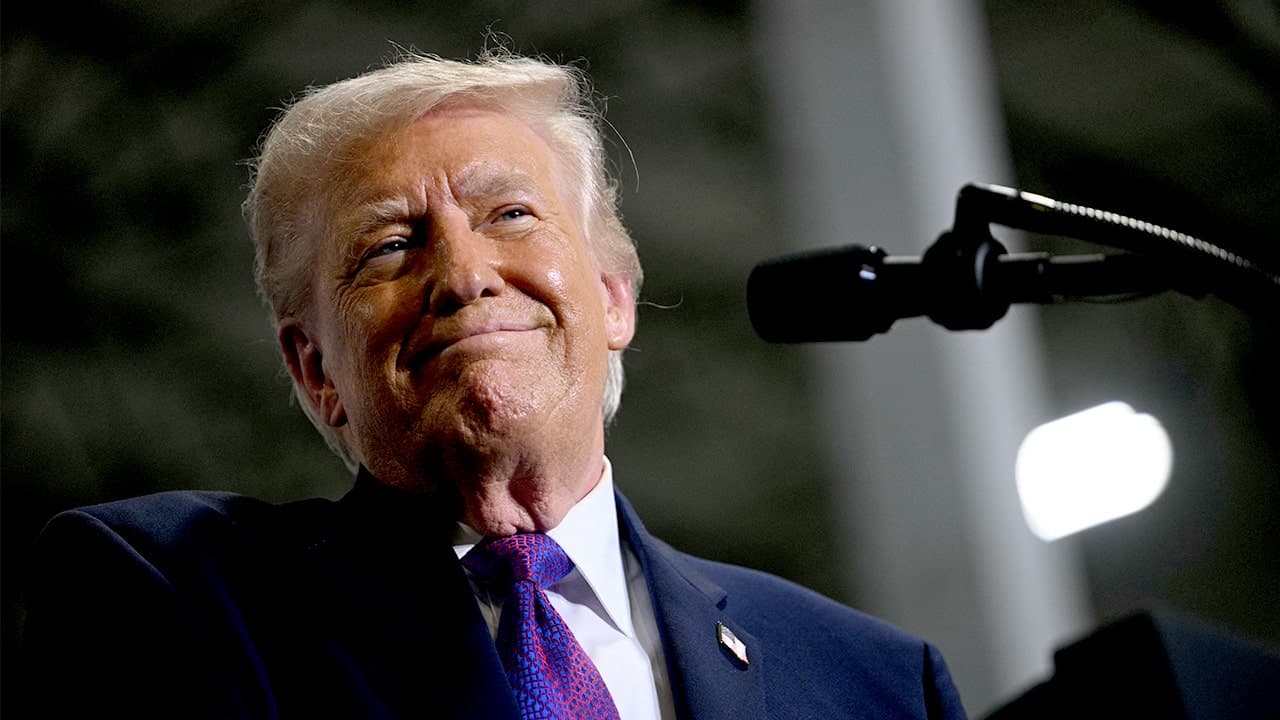
Trump Returns to White House Correspondents' Dinner After 13-Year Boycott: Experts Predict Dramatic Showdown
After 13 years of boycotting the White House Correspondents' Dinner following Obama's brutal 2011 roast, Trump returns as president. Mental health experts predict he'll struggle with the event's traditional humor and vulnerability.

Trump Returns to White House Correspondents' Dinner After 13-Year Boycott: Experts Predict Dramatic Showdown
After more than a decade of boycotting the annual White House Correspondents' Dinner, Donald Trump is set to make his return to the event that once humiliated him on national television. The decision marks a significant shift for a president who has waged an unprecedented war against the media throughout his political career.
The Obama Roast That Changed Everything
Trump's absence from the dinner dates back to 2011, when then-President Barack Obama delivered a brutal roasting that targeted Trump's promotion of the "birther" conspiracy theory. The humiliation was so complete that many political observers believe it motivated Trump's eventual presidential run. Now, as the 47th president, Trump appears ready to face the music once again.
"I think he's genuinely convinced that this won't be a roast," explained Sandra Maurer, a licensed professional clinical counselor. "I think he is expecting that this will turn into 'praise the president,' and I don't know if he's right or wrong."
A Different Kind of Dinner
This year's event will feature a notable departure from tradition. Instead of a comedian delivering the traditional presidential roast, TV mentalist Oz Pearlman will host the proceedings. This change has raised questions about whether Trump will face the same comedic fire that typically defines the evening.
Historically, the dinner has featured sharp-tongued comedians like Conan O'Brien, Trevor Noah, and Michelle Wolf, who have mercilessly mocked sitting presidents. The shift to a mentalist suggests either a strategic calculation by organizers or Trump's team negotiating the terms of his appearance.
Psychological Warfare at the Podium
Mental health experts analyzing Trump's decision to attend believe it represents a complex psychological gambit. "When I think about why someone with narcissistic traits would choose to put themselves in this position where they are essentially being made fun of, I'm thinking that it has a lot to do with wanting control," said Taryn Rothstein, a licensed clinical social worker.
The experts suggest Trump's attendance is less about good sportsmanship and more about demonstrating dominance. "It's also a way for him to say, 'I'm not afraid of anybody... including the White House Correspondents' Dinner,'" noted clinical psychologist Denise Dudley. "I think it's probably a strategic positioning. Showing that 'I'm in control, and I can go to this thing and I will dominate, and I will win.'"
The Humor Challenge
Psychologists have identified different types of humor that work in various social situations. The White House Correspondents' Dinner traditionally calls for self-enhancing and affiliative humor – the ability to laugh at oneself and create inclusive moments of shared laughter. However, experts doubt Trump possesses these particular comedic skills.
"He tends to use aggressive humor in his day-to-day life," Dudley observed. "I'm laughing at you, not with you... In my opinion, he doesn't have the actual personality type that is going to handle a roast whatsoever."
Power Dynamics and Vulnerability
The dinner represents a unique challenge for Trump because it inverts traditional power structures. "What happens is that when you're being roasted... you have become vulnerable," Dudley explained. "You've given up some of your status – really all your status, in a way."
This vulnerability directly conflicts with Trump's apparent need to maintain control and dominance in all situations. "He sees all relationships with a power structure," Maurer noted. "And when you mock somebody, you're really threatening the power dynamic in the room... And that's the thing he hates the most."
Anticipating the Aftermath
Regardless of how the evening unfolds, experts predict Trump will struggle to maintain composure if subjected to ridicule. "I think if he is made fun of at this event, I think we should anticipate several days of reaction," Maurer warned, suggesting a potential barrage of Truth Social posts and public statements.
The stakes extend beyond mere embarrassment. Trump's legal battles with media organizations and his history of targeting journalists who criticize him have created an atmosphere where comedy itself becomes a form of resistance.
A Test of Press Freedom
Trump's return to the dinner occurs against the backdrop of his administration's ongoing attacks on press freedom. The event, which celebrates and supports White House correspondents, represents everything Trump has opposed throughout his political career.
As Saturday night approaches, all eyes will be on whether Trump can demonstrate the self-deprecating humor expected of presidents, or if his return will become another flashpoint in his war with the media. Either way, it promises to be the most watched Correspondents' Dinner in years.
React to this story
Share this story
Stay in the loop
Get breaking presidential news delivered to your inbox daily.