Trump Tensions Drive UK's Historic EU Reset: Brexit Reversal Accelerates Amid Iran War Fears
Nearly a decade after Brexit, the UK is preparing groundbreaking EU "reset" legislation as Trump's hostility toward Britain accelerates Starmer's pivot toward Europe. The bill would allow dynamic alignment with EU rules amid fears of economic isolation and Iran war fallout.
Trump Tensions Drive UK's Historic EU Reset: Brexit Reversal Accelerates Amid Iran War Fears
Nearly a decade after the Brexit vote that shocked the world, the United Kingdom is preparing to announce groundbreaking legislation that would dramatically realign the country with the European Union. The catalyst? Growing tensions with Donald Trump's America and mounting concerns over the Iran conflict are pushing Prime Minister Keir Starmer to accelerate what many see as a historic reversal of Brexit.
The "Reset" Bill: A Strategic Pivot
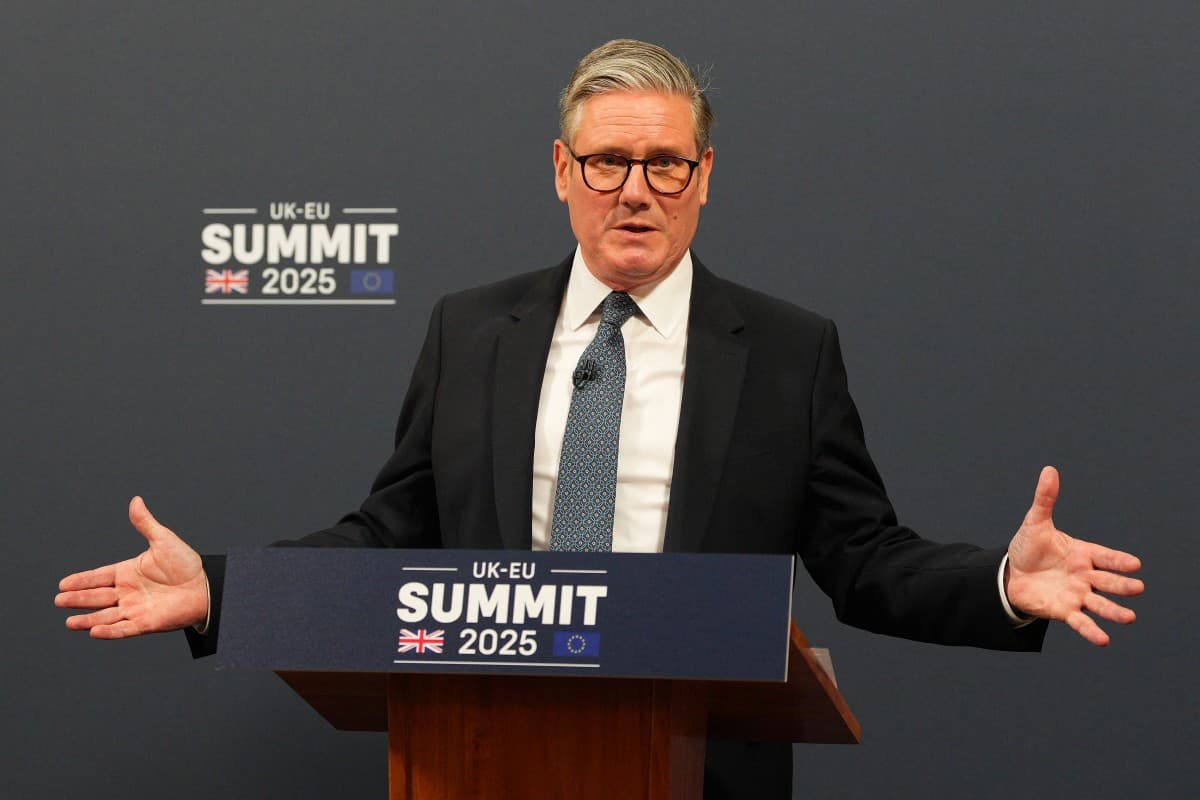
King Charles III will announce the EU "reset" bill on May 13, marking a pivotal moment in post-Brexit Britain's foreign policy. This legislation would grant ministers unprecedented powers to align UK standards with EU single market rules as they evolve—a process known as "dynamic alignment" that Brexit supporters once vehemently opposed.
"We have a government that is already eager to move closer towards the EU, and the events in Iran provide an opportunity to speed up that process," explains Evie Aspinall, director of the British Foreign Policy Group think-tank.
The timing is no coincidence. As Trump continues his unpredictable assault on America's historic ally, Starmer's Labour government sees an opportunity to rebuild bridges with Europe while distancing itself from an increasingly unreliable transatlantic partnership.
Trump's Role in Britain's European Turn
Trump's treatment of Britain has been nothing short of hostile since returning to office. His recent threat to scrap a US-UK trade deal during a Sky News interview exemplifies the deteriorating relationship. The president's anger intensified when Starmer refused to involve Britain in initial US-Israeli strikes on February 28, though Britain has since allowed limited use of UK bases for "defensive purposes."
Adding fuel to the fire, Trump has repeatedly mocked Starmer's controversial decision to appoint former Jeffrey Epstein associate Peter Mandelson as ambassador to Washington—a move that has drawn fierce criticism domestically.
"There's no doubt that there is now momentum in the UK-EU relationship partly as a result of Trump's unreliable behavior," notes David Henig, a post-Brexit trade policy expert. "Independent UK trade policy looks much harder, the prospects of working with the EU much brighter."
Economic Realities Force Strategic Recalculation
The numbers tell a compelling story. The EU remains Britain's largest trading partner, while the International Monetary Fund warns that the UK faces the hardest hit among advanced economies from the Iran conflict. Rising cost-of-living pressures, which UK Finance Minister Rachel Reeves directly blames on Trump for starting the war "without a clear exit plan," are influencing public opinion.
"We need to build economic resilience across the continent," a UK government official told AFP, speaking on condition of anonymity.
Brexit Regret Reaches Tipping Point
Public sentiment has shifted dramatically since 2016. Surveys now consistently show that most Britons regret the vote to leave the EU—a political reality Starmer hopes to capitalize on. The legislation could arrive around the 10th anniversary of the Brexit referendum in June, creating a symbolic full-circle moment.
The proposed bill would allow MPs to grant the government mechanisms to adopt EU rules in specific areas where deals have already been signed, including trade agreements on food exports and plans for electricity market integration. Britain and the EU are also finalizing negotiations on a youth mobility scheme ahead of a joint Brussels summit expected in late June or July.
Political Battle Lines Drawn
Not everyone supports this European pivot. The hard-right Reform UK party, currently leading in opinion polls under Eurosceptic leader Nigel Farage, has branded the legislation "a betrayal" of the referendum result. This opposition reflects the toxic nature Brexit still holds in British politics.
However, the Liberal Democrats are pushing Starmer to go even further. "We need to be doubling down on relations with reliable partners who share our interests and values," says the party's foreign affairs spokesman Calum Miller.
While Starmer has ruled out rejoining the single market or returning to free movement, the reset bill represents the most significant shift toward Europe since Brexit was implemented.
A New Chapter in UK-EU Relations
"When the relationship with the United States is fracturing, it means there's reduced opposition to a closer relationship with the EU among the public," Aspinall observes.
As Trump continues to alienate traditional allies and global conflicts reshape international partnerships, Britain appears ready to hedge its bets with a European strategy that would have been unthinkable just years ago. The upcoming legislation marks not just a policy shift, but potentially the beginning of Brexit's slow-motion reversal—driven by the very unpredictability of the Trump administration that many Britons now view with growing alarm.
React to this story
Share this story
Stay in the loop
Get breaking presidential news delivered to your inbox daily.