VP Vance to Lead Critical Iran Talks as Strait of Hormuz Crisis Threatens Global Energy Supply
Vice President Vance will lead high-stakes negotiations with Iran in Islamabad as the Islamic Republic continues blocking the Strait of Hormuz. The talks represent the highest-level U.S.-Iran engagement ever, with $50 billion in oil already lost from global markets.
VP Vance to Lead Critical Iran Talks as Strait of Hormuz Crisis Threatens Global Energy Supply
In a dramatic escalation of Middle East tensions, Vice President J.D. Vance will lead a high-stakes U.S. delegation to Islamabad for crucial negotiations with Iran, as the Islamic Republic continues its blockade of the vital Strait of Hormuz waterway.
High-Level Diplomatic Push
According to three White House officials who spoke to CBS News, Vance will be joined by special envoy Steve Witkoff and President Trump's son-in-law Jared Kushner for talks beginning tomorrow evening. This represents "the highest-level engagement in the history of the Iranian regime," according to U.N. Ambassador Mike Waltz.
The diplomatic mission comes as Iran has reversed course on its brief reopening of the Strait of Hormuz, closing the waterway to shipping and firing at vessels attempting passage. The strait carries approximately 20% of the world's oil and energy supplies, making its closure a critical threat to global energy markets.
Iran's Strategic Miscalculation
President Trump has taken a characteristically forceful stance, declaring that Iran "can't blackmail us" and threatening to "knock out every single power plant, every single bridge in Iran" unless Tehran agrees to a deal. This rhetoric underscores the administration's position that Iran is negotiating from a position of weakness.
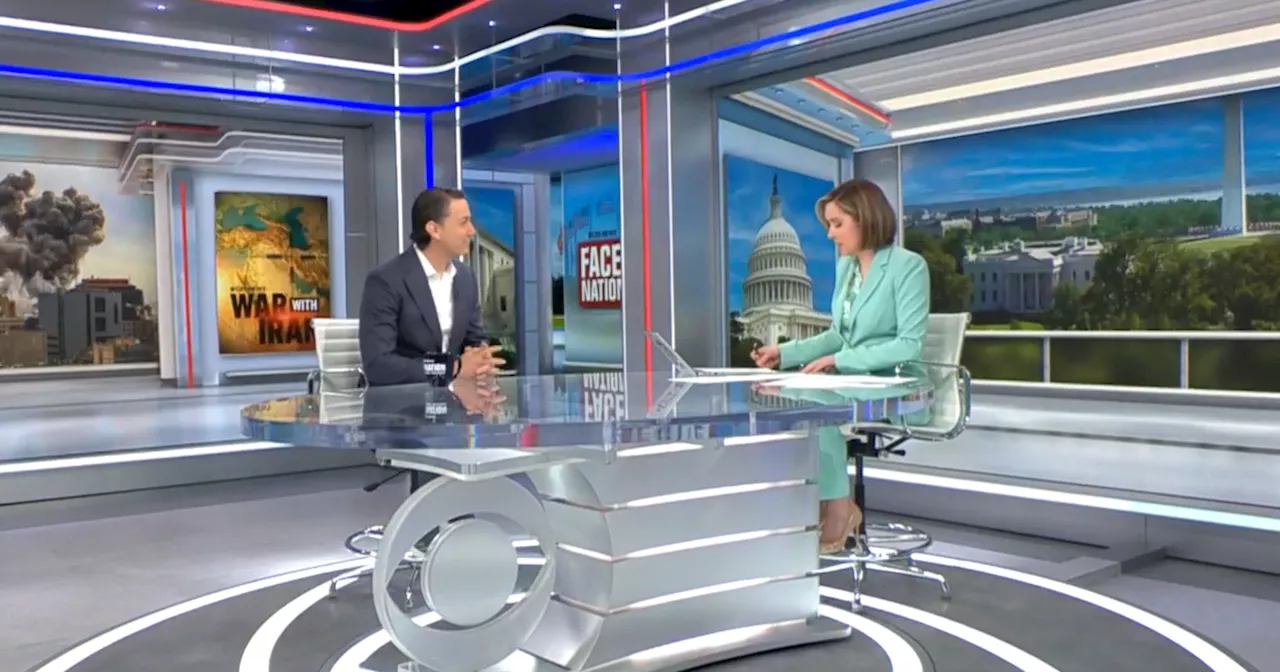
Ambassador Waltz painted a picture of Iranian isolation and economic devastation during his Face the Nation appearance, noting that "the Iranian economy is devastated, and they've never been more diplomatically isolated" at the United Nations. He emphasized that "Iran does not have the cards" in these negotiations.
Chaos Within Iranian Leadership
A particularly concerning development is the apparent internal chaos within Iran's decision-making apparatus. Waltz described conflicting signals from Tehran, where "their foreign minister announcing that they're going to stop attacking shipping. Then you have the IRGC saying that they will and then doing so."
This internal discord, attributed to "devastating strikes on their leadership," raises questions about who actually controls Iran's negotiating position. Reports suggest that IRGC Commander General Vahidi has secured control over both negotiations and military operations within the past 48 hours.
Economic Impact and Global Stakes
The Iranian blockade has already inflicted significant damage on global energy markets. According to Reuters analysis, $50 billion worth of oil has been lost from the global market since fighting began. Tankers have been stranded in the waterway for weeks, creating a maritime traffic jam with far-reaching economic consequences.
Despite these disruptions, Waltz noted that "oil prices are relatively stable" and "the markets are up," suggesting confidence in the Trump administration's ability to resolve the crisis.
Regional Cease-Fire Dynamics
The talks occur against the backdrop of a fragile cease-fire in Lebanon, which Iran considers a key demand. Thousands of Lebanese have returned to southern Lebanon to assess damage from weeks of intense Israeli strikes. This cease-fire, brokered by Pakistan, is set to expire soon, adding urgency to the Islamabad negotiations.
Trump's Nuclear Strategy
At the heart of these negotiations lies Iran's nuclear program. Waltz framed the talks as preventing a nuclear breakout scenario that could trigger proliferation across the Middle East. "We are arresting a problem before it's too late," he said, emphasizing that the administration won't wait "until the U.S. has no options and Iran has some kind of breakout."
Looking Ahead
The success of these talks could determine whether the region returns to "all-out war," as correspondent Imtiaz Tyab warned. With major disagreements over Iran's nuclear program, regional proxies, and control of the Strait of Hormuz, the gulf between Washington and Tehran remains "enormous."
Vance's personal involvement signals the administration's commitment to resolving this crisis through diplomacy, but with Trump's characteristic backing of overwhelming force. The coming days will test whether Iran's isolated position compels meaningful concessions or whether the region slides back toward broader conflict.
React to this story
Share this story
Stay in the loop
Get breaking presidential news delivered to your inbox daily.