Venezuelan Opposition Leader's Madrid Rally Undermined by Racist Chants Targeting Trump-Backed President
Venezuelan opposition leader María Corina Machado's Madrid rally intended to court Trump administration support was undermined by racist chants targeting interim President Delcy Rodríguez. The controversy highlights challenges facing Venezuela's opposition movement as it seeks to demonstrate democratic legitimacy to Washington.

Opposition Rally Turns Controversial as Machado Seeks Trump Administration Support
Venezuelan opposition leader María Corina Machado's carefully orchestrated political rally in Madrid took an ugly turn when supporters led racist chants targeting Venezuela's interim president, threatening to derail her efforts to court the Trump administration's backing for democratic elections.
Strategic Message to Washington Goes Awry
Machado arrived in Madrid with a clear political objective: demonstrate to the Trump White House that her opposition movement remains vibrant and capable of governing Venezuela. With thousands of Venezuelan exiles gathered at Madrid's La Puerta del Sol, the event was designed to project unity and democratic legitimacy to an audience far beyond Spain's borders.
The opposition leader's message was deliberately crafted for Washington consumption. "Today our return begins," she told the crowd, promising that "millions of Venezuelans would return" home once free elections are held. Her most pointed remarks targeted what she called "malignant forces from all over the world that took over our resources," a clear reference to the broader geopolitical stakes in Venezuela's crisis.
Racist Chants Overshadow Democratic Message
However, the rally's carefully constructed narrative collapsed when Venezuelan singer-songwriter Carlos Baute led the crowd in chants of "mona, mona" (monkey, monkey) and "fuera la mona" (out with the monkey), clearly targeting interim President Delcy Rodríguez, who currently has Trump's support.
The racist language struck particularly hard in Venezuela, a deeply mixed society where the 2011 census found 51.6% of citizens identified as "moreno" and 43.6% as white. For a movement claiming to represent all Venezuelans, the dehumanizing chants reinforced longstanding criticisms that anti-Chávez opposition movements often sound "socially exclusive, racially coded, and contemptuous of the very country it says it wants to rebuild."
Trump Administration's Venezuela Calculus
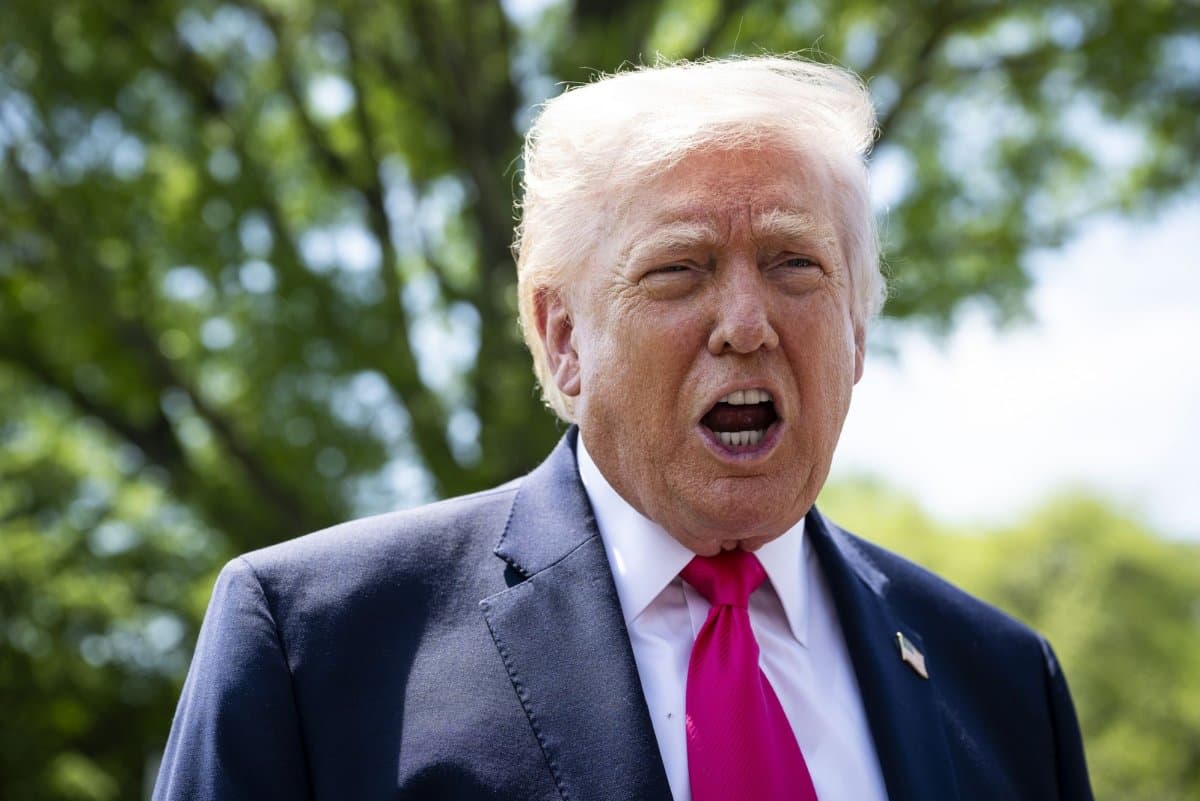
The controversy comes at a critical moment for U.S.-Venezuela relations. Since capturing Nicolás Maduro in January, the Trump administration has made clear it won't immediately hand power to Machado's opposition. Instead, Trump told Reuters, "We're going to run the country until such time as we can do a safe, proper, and judicious transition," adding that Washington couldn't risk "that someone else takes over Venezuela."
This pragmatic approach has meant working directly with Delcy Rodríguez's interim government. The administration has lifted sanctions on Rodríguez, reopened diplomatic channels, and engaged her government on critical oil, mining, and foreign asset issues. U.S. officials have even traveled to Caracas to negotiate energy and economic stabilization measures.
Damage Control Efforts Fall Short
Facing immediate backlash, Machado attempted damage control in an interview with Spanish news agency EFE. "I will never utter a word or expression that judges or disqualifies a person because of their religion, their gender, or their race," she stated, adding that such divisions are "exactly what the regime in Venezuela has done."
The Venezuelan government's embassy in Spain issued a sharp rebuke, calling the chants "a form of political violence based on misogyny and racism." The diplomatic statement emphasized that calling a woman "monkey" constitutes "an act of dehumanization incompatible with the principles of international human rights law."
Strategic Implications for Opposition
The Madrid incident highlights the delicate balancing act facing Venezuela's opposition. While Machado needs to demonstrate strength and unity to convince the Trump administration that Venezuela is ready for democratic governance, she also must prove her movement can transcend the racial and class divisions that have long plagued Venezuelan politics.
Independent analysts suggest the controversy could significantly undermine Machado's efforts to position herself as a unifying democratic alternative. A leader "trying to persuade Washington, Europe, and millions of skeptical Venezuelans that she represents national reconciliation cannot afford a public spectacle" that reinforces criticisms about the opposition's exclusionary tendencies.
The Road Ahead
As Venezuela remains stuck in what observers call a "strange transition" under Rodríguez's interim presidency, the Madrid rally's mixed results underscore the complex challenges facing any democratic transition. With 86% of Venezuelans living in poverty despite the country holding the world's largest oil reserves, the stakes for getting transition politics right couldn't be higher.
The Trump administration's approach appears focused on "collapse management" rather than immediate democratic restoration, working with whatever authority can maintain stability in a country facing mass migration pressures and institutional decay. Whether Machado can overcome the Madrid controversy and convince Washington she represents a viable democratic alternative remains an open question.
React to this story
Share this story
Stay in the loop
Get breaking presidential news delivered to your inbox daily.