
US Dollar's Reserve Status Under Threat as World Moves Toward Multipolar Currency Order
Analysis reveals the US dollar may survive the transition to a multipolar currency order despite unprecedented challenges from BRICS nations and digital alternatives. The key lies in adaptation rather than resistance to inevitable global financial transformation.
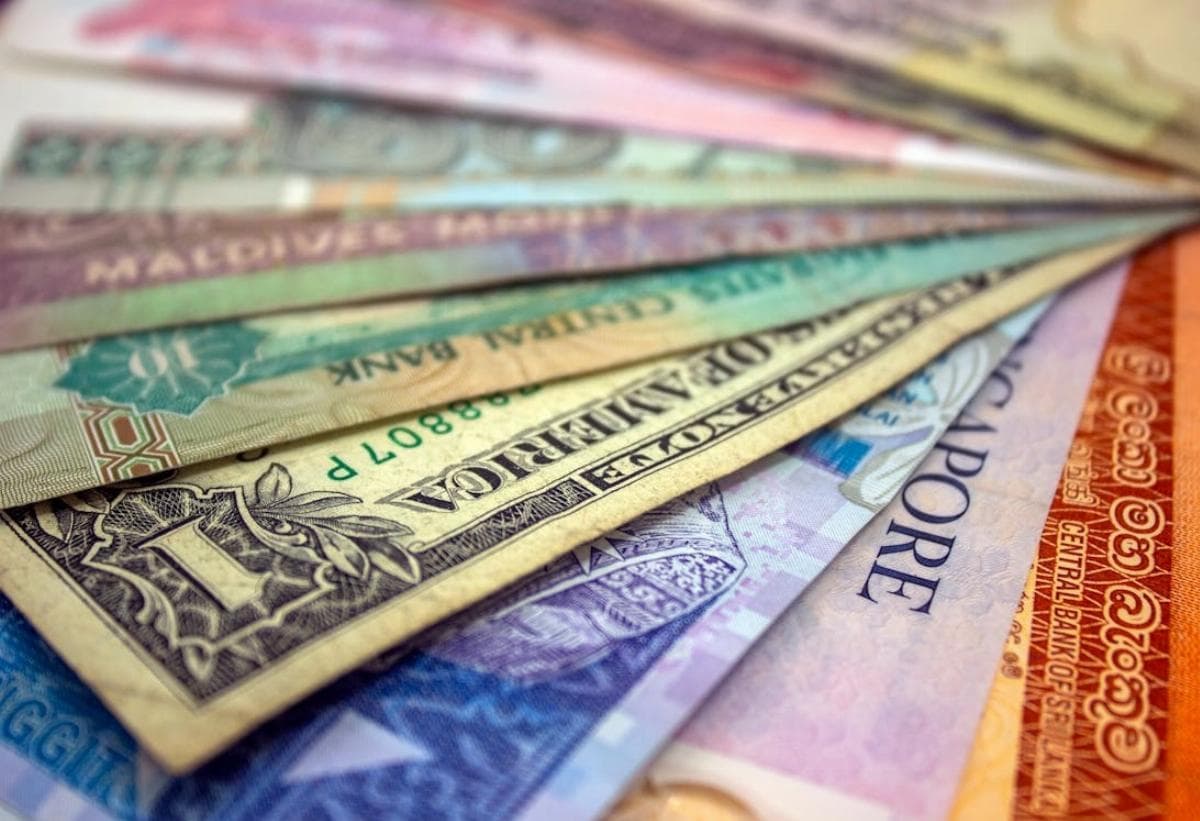
The Dollar's Dominance: Navigating the Shift to a Multipolar Currency World
As the global economic landscape undergoes dramatic transformation, one of the most significant questions facing American policymakers is whether the US dollar will maintain its position as the world's dominant reserve currency. Recent analysis suggests that while the dollar faces unprecedented challenges, it may survive the transition to a multipolar monetary order—but not without significant changes.
The Current Currency Battleground
For decades, the US dollar has reigned supreme in international trade and finance, accounting for approximately 60% of global foreign exchange reserves. This privileged position has provided America with what economists call "exorbitant privilege"—the ability to borrow in its own currency and influence global monetary policy.
However, this dominance is increasingly under assault from multiple fronts. China's rapid economic growth has positioned the yuan as a potential challenger, while Russia's development of alternative payment systems in response to Western sanctions has accelerated the search for dollar alternatives.
Trump's Economic Nationalism and Currency Policy
During his previous administration, President Trump frequently criticized countries that he believed were manipulating their currencies to gain unfair trade advantages. His "America First" approach included threats of tariffs and trade wars to protect American economic interests, policies that inadvertently pushed some nations to seek alternatives to dollar-dominated trade.
As Trump returns to office, his administration faces a complex challenge: maintaining American economic hegemony while navigating an increasingly fragmented global financial system. The question isn't simply whether other currencies will challenge the dollar, but how the US can adapt to a world where multiple currencies share international prominence.
The BRICS Factor
The BRICS nations—Brazil, Russia, India, China, and South Africa—along with their expanding membership, represent a significant challenge to dollar dominance. These countries are actively developing alternative payment systems and discussing the creation of a common currency for trade settlements.
Recent summits have seen these nations commit to reducing their reliance on the dollar in bilateral trade. While a BRICS currency remains largely theoretical, the political momentum behind dollar alternatives is undeniable and represents a direct challenge to American financial supremacy.
Digital Currencies: The Wild Card
The emergence of central bank digital currencies (CBDCs) adds another layer of complexity to international currency politics. China's digital yuan is already being tested in international trade, while the European Union explores its own digital euro. These developments could potentially bypass traditional dollar-dominated payment systems entirely.
For the Trump administration, the challenge will be balancing innovation with maintaining the dollar's central role in global finance. Any moves toward a US digital dollar must consider both domestic economic stability and international competitive pressures.
Survival Through Adaptation
Despite these challenges, several factors suggest the dollar's continued relevance in a multipolar world. The depth and liquidity of US financial markets remain unmatched, and American military and technological power continues to underpin economic influence. Additionally, alternative currencies face their own significant obstacles, from political instability to limited convertibility.
The key for American policymakers will be managing this transition skillfully. Rather than fighting the inevitable shift toward currency diversification, the US might focus on maintaining the dollar's competitiveness through sound fiscal policy, technological innovation, and strategic international partnerships.
Implications for American Policy
As the world moves toward a multipolar currency order, American foreign and economic policy must evolve. This includes strengthening alliances with traditional partners, developing new frameworks for international trade that don't rely solely on dollar dominance, and ensuring that American financial institutions remain competitive in a changing landscape.
The survival of the dollar as a major international currency—if not the sole dominant one—will depend largely on America's ability to adapt to new realities while maintaining the fundamental strengths that made the dollar attractive in the first place: political stability, economic dynamism, and institutional credibility.
The transformation ahead won't be easy, but history suggests that dominant currencies can maintain significant influence even as the global order shifts—provided their home countries make the necessary adjustments to remain competitive in a changing world.
React to this story
Share this story
Stay in the loop
Get breaking presidential news delivered to your inbox daily.


