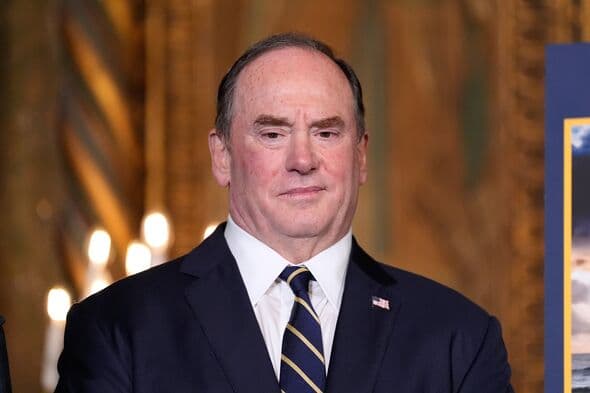
Trump's Navy Secretary Shake-Up Reveals Deep Concerns Over US Shipbuilding Crisis
The Navy Secretary's removal signals Trump's growing frustration with shipbuilding delays and cost overruns. This high-profile change reflects deeper concerns about America's naval readiness amid rising global maritime tensions.
Trump's Navy Secretary Shake-Up Reveals Deep Concerns Over US Shipbuilding Crisis
The recent removal of the Navy Secretary has sent shockwaves through defense circles, with analysts suggesting it reflects President Trump's mounting anxiety over America's struggling shipbuilding capabilities. This high-profile personnel change comes at a critical time when the United States faces unprecedented naval challenges from global competitors.
A Strategic Wake-Up Call
The dismissal appears to be more than just another administrative reshuffling—it signals Trump's growing impatience with the pace of naval modernization and shipbuilding efficiency. Sources close to the administration indicate that the President has been increasingly frustrated with delays and cost overruns plaguing major naval construction projects.
"This move demonstrates that shipbuilding is no longer just a defense issue—it's become a national security imperative that demands immediate attention," said a defense industry insider who requested anonymity.
The Shipbuilding Bottleneck
America's shipbuilding industry has faced significant challenges in recent years, with aging infrastructure, skilled labor shortages, and supply chain disruptions hampering production timelines. The situation has become particularly acute as the Navy seeks to modernize its fleet while maintaining operational readiness across multiple theaters.
Key issues plaguing the industry include:
- Production delays affecting critical vessel deliveries
- Cost escalations straining defense budgets
- Workforce shortages in specialized maritime trades
- Supply chain vulnerabilities exposed during recent global disruptions
Trump's Naval Vision
Throughout his presidency, Trump has consistently emphasized the importance of naval superiority, often referencing his commitment to building a "355-ship Navy." This ambitious goal requires significant acceleration in shipbuilding capacity—something that has proven challenging for the existing industrial base.
The President's frustration likely stems from the gap between his strategic vision and the current pace of delivery. With global tensions rising and competitors rapidly expanding their naval capabilities, Trump appears determined to remove any obstacles to faster fleet expansion.
Industry Response and Implications
The defense shipbuilding sector has responded with cautious optimism, viewing the leadership change as potentially beneficial for streamlining procurement processes and addressing longstanding inefficiencies. However, industry experts warn that meaningful improvements will require sustained commitment beyond personnel changes.
"Changing leadership is just the first step," noted a former Navy official. "Real progress demands comprehensive reforms in how we approach shipbuilding contracts, workforce development, and industrial capacity."
Strategic Timing
The timing of this removal is particularly significant, occurring as Congress debates defense appropriations and as international maritime tensions continue to escalate. The move sends a clear signal that Trump views naval readiness as a top priority that cannot afford bureaucratic delays or administrative complacency.
Looking Forward
The new Navy Secretary will inherit a complex portfolio of challenges, from accelerating current construction programs to implementing innovative approaches that could revolutionize American shipbuilding. Success will likely depend on their ability to balance Trump's urgency with the practical realities of large-scale naval construction.
This leadership change also reflects broader themes in Trump's approach to defense policy—prioritizing results over process and demanding accountability at the highest levels. As the administration continues to reshape defense leadership, the shipbuilding crisis serves as a litmus test for whether bold personnel decisions can translate into tangible improvements in national security capabilities.
The stakes couldn't be higher, as America's naval supremacy increasingly depends on the ability to build ships faster, better, and more efficiently than ever before. Trump's willingness to make difficult personnel decisions suggests he understands that maintaining maritime dominance requires more than just strategic vision—it demands flawless execution at every level of the defense establishment.
React to this story
Share this story
Stay in the loop
Get breaking presidential news delivered to your inbox daily.