Trump's Iran Strategy Under Fire: 'Stone Age' Comments Spark International Debate
Jeffrey Sachs warns that Trump's 'stone age' rhetoric toward Iran signals intentions to replicate Gaza's devastation. The controversial comments have sparked international debate about diplomatic alternatives versus military action.

Trump's Iran Strategy Under Fire: 'Stone Age' Comments Spark International Debate
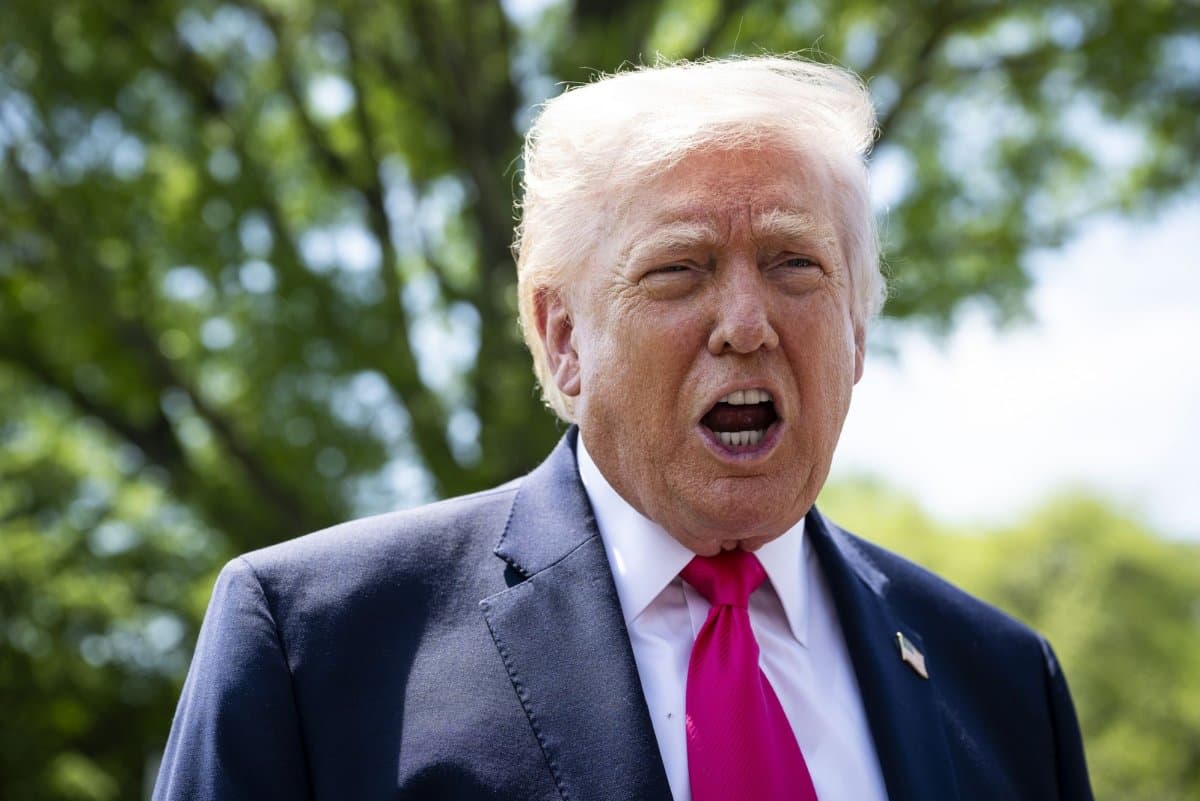
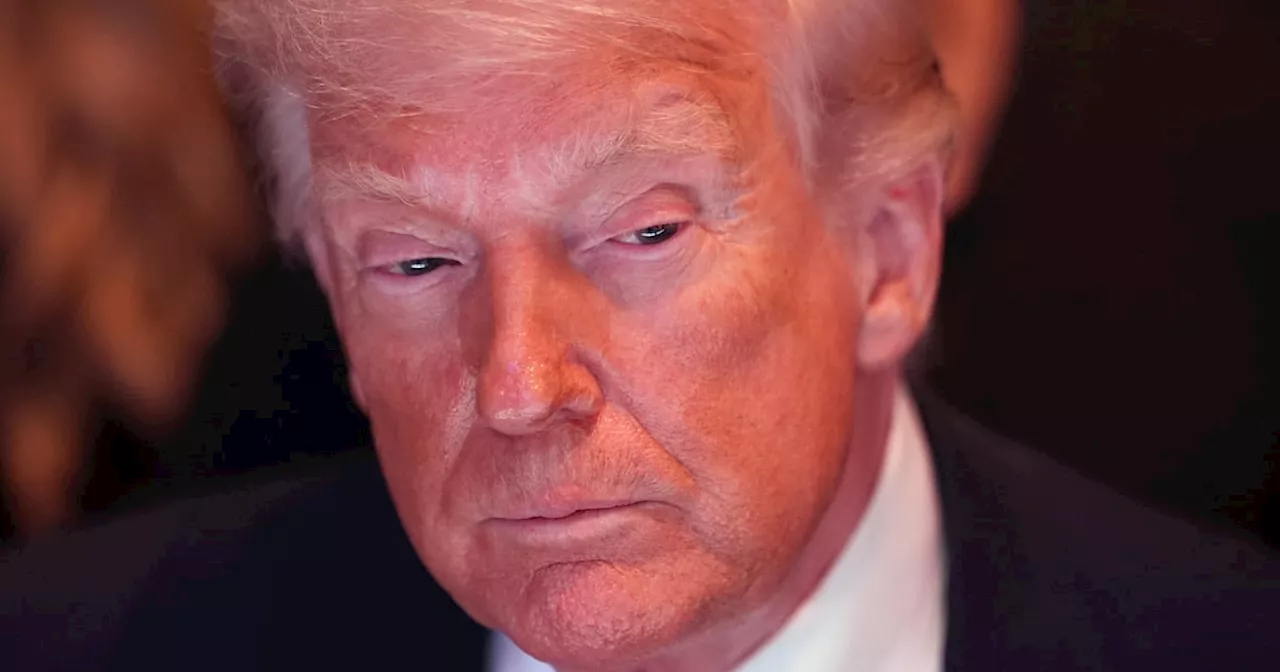
Recent remarks by former President Donald Trump regarding Iran have ignited a firestorm of criticism from foreign policy experts and international observers. According to analysis by economist Jeffrey Sachs, Trump's use of "stone age" language when discussing Iran reveals a concerning approach that mirrors recent military strategies employed in Gaza.
The Controversial Comments
Trump's rhetoric surrounding Iran has consistently emphasized a hardline approach, but his latest comments have drawn particular scrutiny. The reference to reducing adversaries to "stone age" conditions has been interpreted by critics as advocating for devastating military action that would target civilian infrastructure and essential services.
Sachs, a prominent economist and foreign policy commentator, argues that this language signals Trump's intention to replicate what he describes as the systematic destruction witnessed in Gaza. The comparison has raised alarm bells among those who view such tactics as potentially constituting war crimes under international law.
Historical Context and Precedent
The "stone age" rhetoric isn't new in American political discourse. Similar language has been used by military and political leaders throughout history when discussing overwhelming force against adversaries. However, the current geopolitical climate and ongoing conflicts in the Middle East have made such statements particularly sensitive.
Trump's approach to Iran during his previous presidency included withdrawing from the Iran nuclear deal (JCPOA), reimposing harsh economic sanctions, and authorizing the assassination of Iranian General Qasem Soleimani. These actions established a pattern of maximum pressure that critics argue brought the two nations dangerously close to armed conflict.
International Implications
The potential for military action against Iran carries enormous risks for regional stability. Iran's strategic position in the Persian Gulf, its influence across the Middle East through proxy groups, and its advanced missile capabilities make any conflict potentially catastrophic for the broader region.
Allies and adversaries alike are watching closely as Trump positions himself for a potential return to the presidency. European nations, in particular, have expressed concern about abandoning diplomatic solutions in favor of military ones. The international community largely supports continued negotiations and sanctions relief in exchange for nuclear compliance.
Medical Facilities and Civilian Infrastructure
A particularly troubling aspect of the current debate involves allegations about targeting medical facilities and civilian infrastructure. Reports suggest that over 300 medical facilities have been bombed in various conflicts, representing what critics describe as a "long tradition of targeting medical workers."
Such tactics raise serious questions under international humanitarian law, which explicitly protects medical facilities, schools, and other civilian infrastructure during armed conflicts. The Geneva Conventions and their Additional Protocols strictly prohibit attacks on medical facilities unless they are being used for hostile purposes.
Negotiation Challenges
Trump's aggressive rhetoric complicates potential diplomatic solutions to the Iran crisis. Successful negotiations typically require building trust and providing face-saving opportunities for all parties involved. Threatening to bomb a country "back to the stone age" makes it nearly impossible for Iranian leaders to engage in meaningful dialogue without appearing weak to their domestic audience.
The complexity of the Iranian situation extends beyond nuclear weapons to include regional influence, support for proxy groups, missile development, and domestic political pressures on both sides. Each of these issues requires careful diplomatic handling rather than blanket threats of overwhelming force.
Looking Forward
As the political landscape continues to evolve, Trump's approach to Iran will likely remain a central foreign policy issue. His supporters argue that maximum pressure and credible threats of force are necessary to contain Iranian aggression and protect American interests in the region.
Critics, however, warn that such rhetoric increases the likelihood of miscalculation and could lead to a devastating regional war. They advocate for a return to diplomatic engagement, multilateral cooperation, and careful de-escalation of tensions.
The international community will be watching closely to see whether Trump's statements represent genuine policy intentions or political posturing designed to appeal to his base. Either way, the stakes for Middle Eastern stability and global security remain extraordinarily high.
React to this story
Share this story
Stay in the loop
Get breaking presidential news delivered to your inbox daily.