
Trump's Cabinet Psychology: How Daddy Issues Shape Presidential Power Dynamics
Trump's peculiar cabinet dynamics, including his ritual of gifting ill-fitting shoes, reveal deep psychological patterns rooted in his traumatic relationship with his domineering father. The president's inner circle serves as surrogate sons in an ongoing psychodrama of dominance and submission.
The Uncomfortable Truth About Trump's Inner Circle
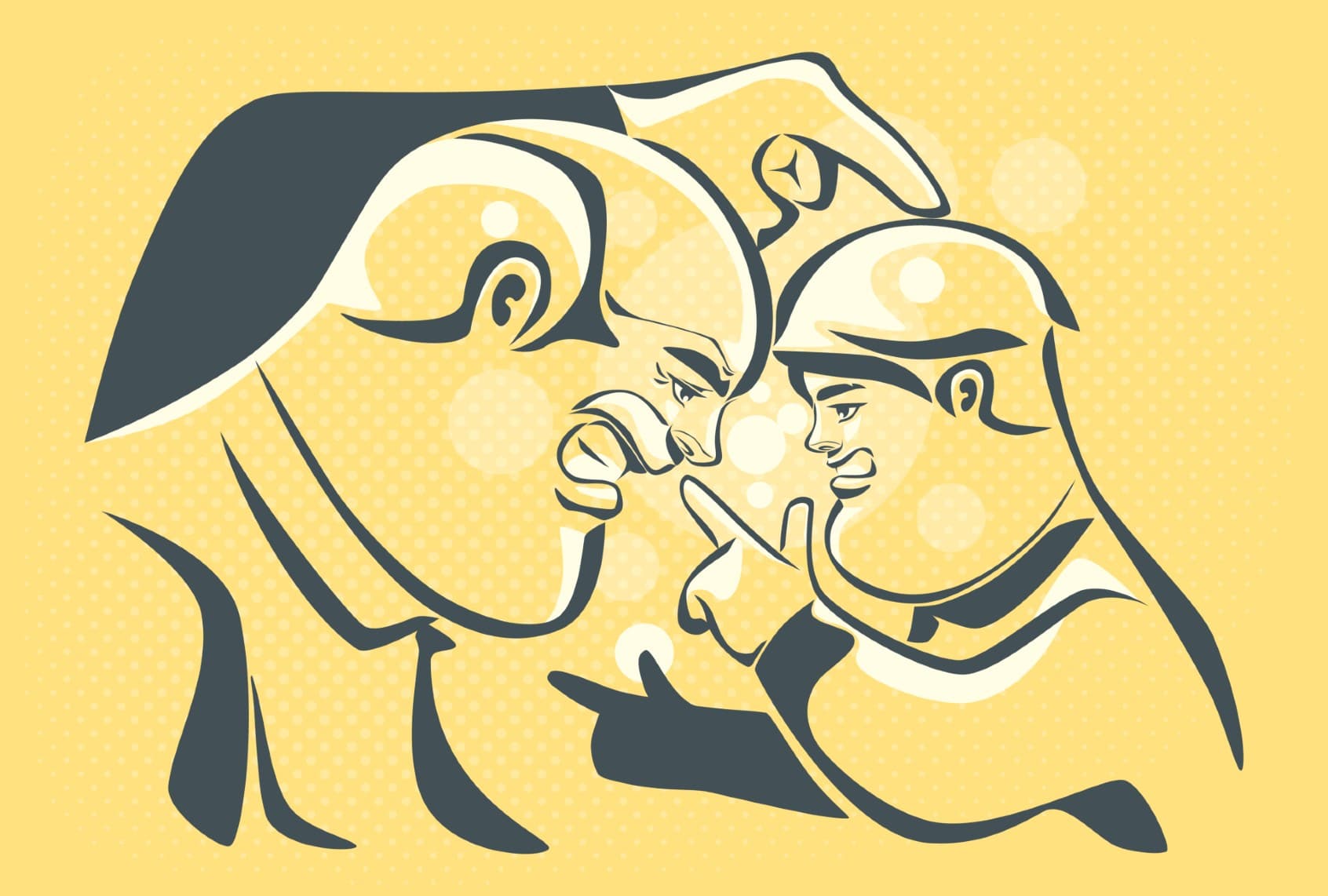
Donald Trump's relationship with his cabinet and inner circle reveals a disturbing psychological pattern that traces back to his own troubled relationship with his father, Fred Trump. According to a recent analysis, the president's obsession with dominance, loyalty tests, and public humiliation creates a toxic dynamic that transforms grown men into what can only be described as "failsons."
The Shoe Ritual: Humiliation Disguised as Generosity
Perhaps no symbol better captures this dynamic than Trump's peculiar habit of gifting black Florsheim oxfords to his cabinet members and loyal supporters. This isn't mere generosity—it's a carefully orchestrated power play that serves as both a loyalty test and a humiliation ritual.
The process is always public, often with media present. Trump asks recipients for their shoe sizes, frequently guessing wrong, then presents them with ill-fitting footwear in boxes bearing his signature. The result? Photos of cabinet members like Marco Rubio swimming in oversized shoes, their discomfort visible for all to see.
"The shoes signal who belongs to Trump," the analysis notes, pointing to how these gestures reduce accomplished politicians to the status of children receiving hand-me-downs from "Daddy."
The Father Wound That Shaped a Presidency
To understand Trump's treatment of his inner circle, one must examine his relationship with Fred Trump—a man described as "very brutal" and "tough, hard-driving" with "very, very little emotional intelligence." Fred Trump saw the world in binary terms: winners and losers, killers and weaklings.
The most tragic example of this worldview was Trump's older brother, Freddy, who died at 43 from complications of alcoholism. Unlike Donald, Freddy was "too good-natured, too open-minded and insufficiently tribal." When Freddy dreamed of becoming an airline pilot rather than joining the family business, both father and son dismissed him, with Donald calling pilots "bus drivers in the sky."
This dynamic taught Trump a crucial lesson: to gain his father's approval, he had to participate in the bullying of those his father deemed weak. It was a pattern of "identifying with the oppressor" that would define his approach to power for decades to come.
Military School and the Reinforcement of Brutality
When Fred sent Donald to New York Military Academy at age 12—not to reform him, but to harness his emerging narcissistic traits—Trump found another father figure in drill sergeant Theodore Dobias. This World War II veteran shared Fred's winner-loser mentality and regularly slapped cadets who displeased him.
Former classmates recall Dobias setting up boxing rings where "cadets with poor grades and those who had disciplinary problems [would] fight each other, whether they wanted to or not." In this environment, Trump's bullying tendencies weren't just tolerated—they were encouraged and refined.
The Cabinet as Surrogate Sons
Today's cabinet members—figures like JD Vance, Pete Hegseth, and others—find themselves cast in roles eerily similar to Trump's relationship with his own father. They are the "kids" in Trump's psychological drama, existing primarily to validate his dominance through their submission.
Trump's admission that he "hangs around with losers" because "it makes me feel better" reveals the transactional nature of these relationships. These aren't partnerships or collaborations—they're psychological reenactments of his own childhood trauma, with Trump now playing the role of the dominant father figure.
The Cycle Continues
What makes this dynamic particularly troubling is how it perpetuates the same toxic patterns that shaped Trump himself. The men who call him "Daddy"—as Tucker Carlson memorably did at a 2024 rally—aren't just supporters; they're participants in a multigenerational cycle of psychological manipulation disguised as political loyalty.
Trump's niece Mary Trump observed that his displays of "narcissism, bullying and grandeur" were attempts to mirror his father's behavior and gain approval. The tragic irony is that these behaviors "finally made my grandfather take notice, but not in a way that ameliorated any of the horror that had come before."
The Price of Proximity to Power
For those in Trump's orbit, proximity to power comes with a psychological cost. They must submit to public humiliation, accept the role of permanent subordinates, and participate in the very dynamics that once traumatized their leader. The shoes they wear aren't just ill-fitting—they're symbols of a relationship built on dominance and submission rather than mutual respect and collaboration.
As Trump himself once admitted about his treatment of brother Freddy, he regrets "putting pressure" on him over his career choices. Yet the pattern continues, suggesting that understanding one's psychological wounds and healing them are two very different things.
React to this story
Share this story
Stay in the loop
Get breaking presidential news delivered to your inbox daily.


