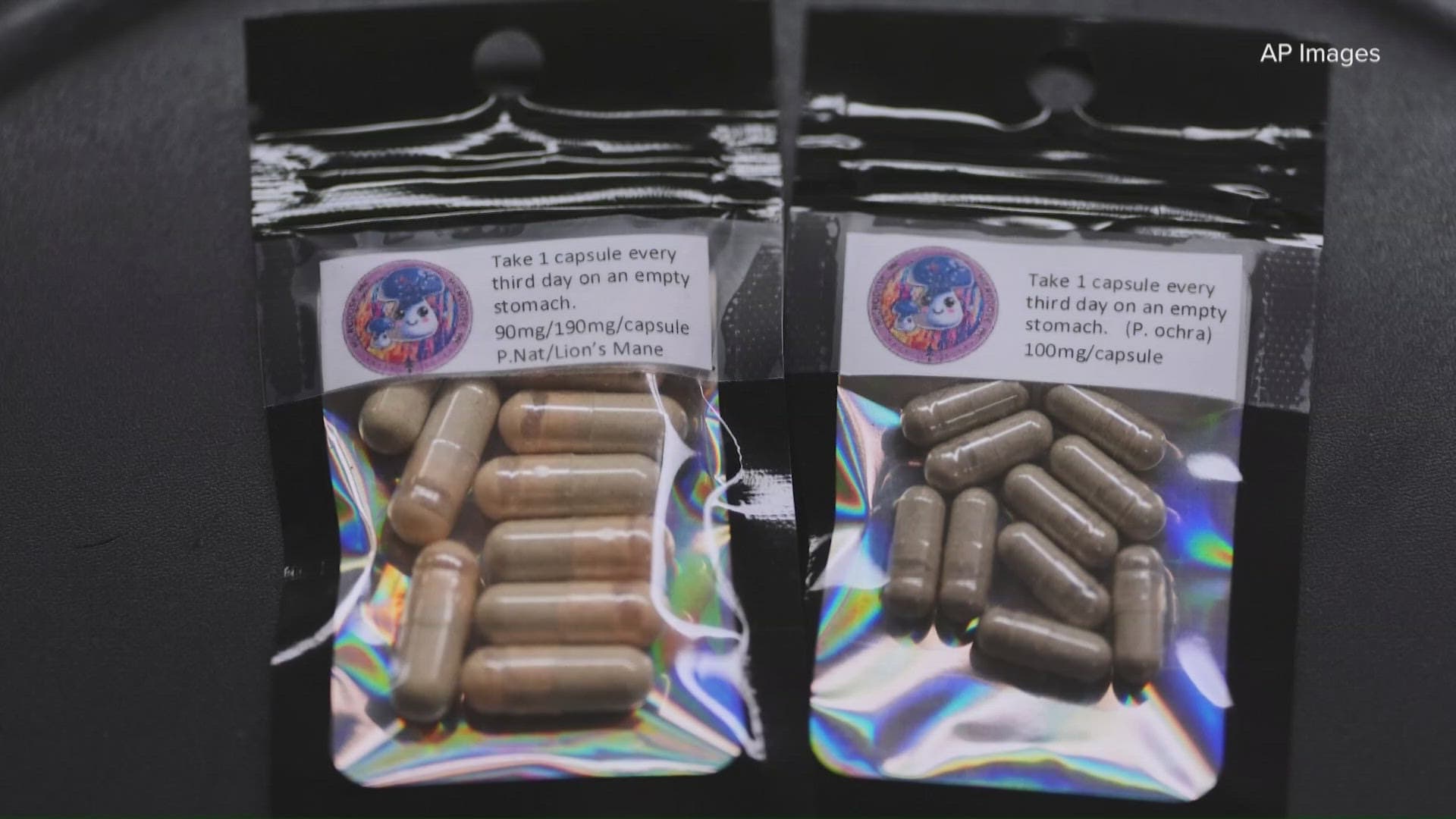
Trump's Bold Psychedelic Executive Order Divides Medical Community on PTSD Treatment
President Trump's executive order to fast-track psychedelic drug research for PTSD and depression treatment has divided the medical community. Supporters see breakthrough potential for veterans while critics warn of safety risks and insufficient evidence.
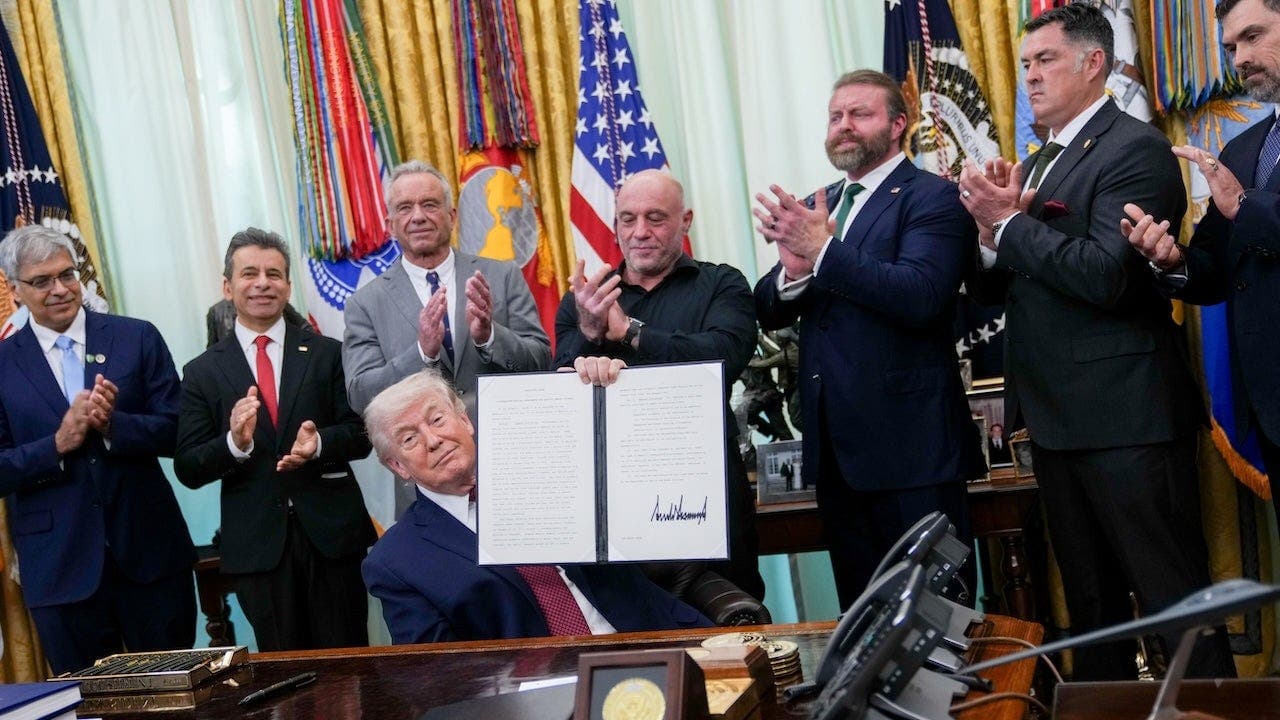
Medical Experts Split as Trump Fast-Tracks Psychedelic Therapies
President Trump's latest executive order directing the FDA to expedite research and approval of psychedelic drugs has ignited a fierce debate in the medical community, with supporters hailing it as a breakthrough for veteran mental health care while critics warn of serious safety concerns.
The Executive Order's Scope
Signed on Friday, Trump's executive order aims to fast-track research, funding, and potential FDA approval for psychedelics including ibogaine, psilocybin, LSD, and MDMA. The primary focus centers on treating PTSD, depression, and addiction—conditions that have plagued thousands of veterans returning from service.
"The president's action today opens a pathway to research that will further open doors to expedited approval of this life-saving medicine as a treatment for our veterans," said Jay Kopelman, former Marine Corps lieutenant colonel and CEO of Mission to Live Foundation in San Diego.
Strong Support from Veterans' Advocates
The executive order has garnered significant backing from veteran advocacy groups and some medical professionals who see psychedelics as a potential game-changer for treatment-resistant conditions.
Juliana Mercer, a 16-year Marine Corps veteran and executive director of Healing Breakthrough, praised the move as addressing a critical need: "The people who need this most are those who have already tried everything and found no real relief. I think about veterans I served with, people who have done years of therapy, cycled through medications, and are still carrying the weight of their service."
Dr. Marc Siegel, Fox News senior medical analyst, acknowledged the "big potential" of psychedelics for severe depression and PTSD, explaining that these substances "change brain chemistry in a way that can provide more modulation of dopamine, serotonin and other neurochemicals, making a patient less fearful."
Medical Community Raises Red Flags
However, the order has also drawn sharp criticism from some medical experts who question the safety and efficacy of rushing psychedelic treatments to market.
Kevin A. Sabet, Ph.D., president and CEO of the Foundation for Drug Policy Solutions, expressed serious concerns: "President Trump's executive order on ibogaine puts politics and hype ahead of science by suggesting that a dangerous, unapproved hallucinogen can somehow be a medical treatment."
Sabet specifically highlighted ibogaine's classification as a Schedule I substance with "serious safety concerns, including documented cardiotoxicity and deaths."
The Safety Debate
The primary concern among critics centers on the cardiovascular risks associated with certain psychedelics, particularly ibogaine. Kopelman acknowledged these risks, noting that ibogaine "can prolong the QT interval in the heartbeat, which can lead to arrhythmia or even heart attack."
Dr. Siegel also cautioned about the potential for misuse, warning that "unfettered recreational use and microdosing can increase the risk of psychosis and other anxiety disorders."
Implementation Challenges Ahead
Even supporters acknowledge that Trump's executive order is just the beginning of a complex process. The substances still must navigate clinical trials and standard regulatory pathways, including potential rescheduling from their current controlled substance classifications.
"Veterans and others will still be waiting unless we also build the systems to provide this safely at scale, trained providers, reimbursement pathways and clinical care models," Mercer explained.
The treatment protocols themselves present unique challenges compared to traditional medications. "It's not like prescribing someone a Tylenol and sending them home — these medicines require medical oversight," Kopelman emphasized, noting the need for "multiple therapy sessions overseen by a trauma-informed psychedelic therapist."
A Measured Approach Forward
While the executive order represents a significant policy shift, experts stress the importance of maintaining rigorous safety standards throughout the expedited approval process.
"Most important is the post-medicine integration work," Kopelman noted. "Psychedelics are not a panacea. They are a gateway to healing — but the real work begins after treatment."
As Trump's administration pushes forward with this controversial initiative, the medical community will be watching closely to ensure that the promise of breakthrough treatments doesn't come at the expense of patient safety. The success of this bold approach may ultimately determine whether psychedelic therapies become a mainstream tool in America's fight against mental health challenges—or another cautionary tale about the dangers of putting politics before rigorous science.
React to this story
Share this story
Stay in the loop
Get breaking presidential news delivered to your inbox daily.