Trump Threatens Iran's Infrastructure as Nuclear Talks Resume: Power Plants and Bridges on Target List
President Trump threatens strikes on Iranian power plants and bridges while announcing renewed diplomatic talks through Pakistan. The escalation comes amid situation room meetings over the Hormuz crisis.
Trump Threatens Iran's Infrastructure as Nuclear Talks Resume
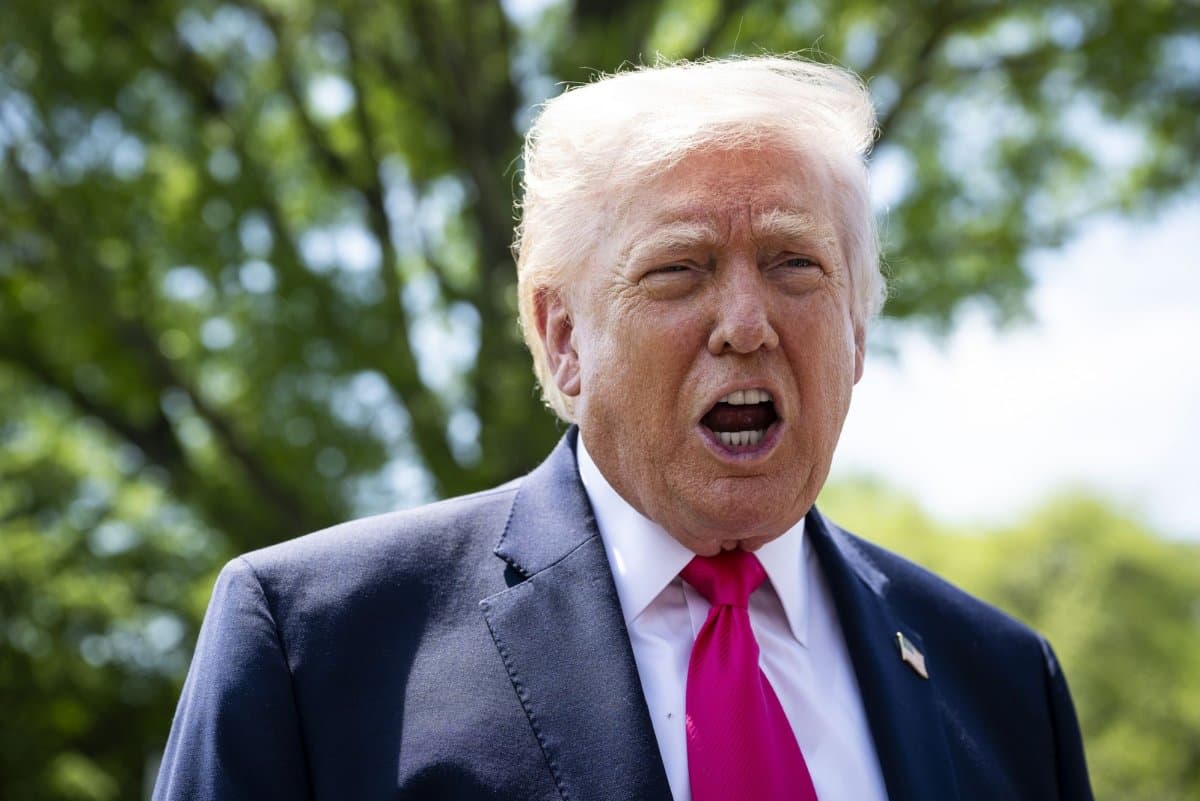
President Donald Trump has reignited tensions with Iran, issuing stark warnings about potential military strikes on the Islamic Republic's critical infrastructure while simultaneously announcing the resumption of diplomatic talks. The escalating rhetoric comes as Trump convenes situation room meetings amid renewed crisis in the strategically vital Strait of Hormuz.
Diplomatic Carrot, Military Stick
In a characteristic display of maximum pressure diplomacy, Trump revealed that a U.S. delegation would travel to Pakistan to facilitate renewed negotiations with Iranian representatives. However, the olive branch came with a steel-wrapped warning: reach a deal, or face devastating military consequences.
"We're going to give diplomacy another chance, but Iran needs to understand the alternative," Trump indicated, according to multiple reports. The President specifically threatened strikes on Iran's power plants and bridges – critical infrastructure that would cripple the nation's economy and daily life.
Tehran's Defiant Response
Iranian state media quickly pushed back against reports of agreed talks, with Tehran denying any commitment to additional negotiations with the United States. This contradictory messaging highlights the complex diplomatic dance between the two nations, where public posturing often masks behind-the-scenes maneuvering.
The denial from Iranian officials could represent genuine rejection of talks or strategic positioning to avoid appearing weak domestically. Iran's leadership has consistently faced pressure from hardliners who view any engagement with Washington as capitulation.
Hormuz Crisis Intensifies
The renewed tensions center around the Strait of Hormuz, a narrow waterway through which approximately 20% of global oil supplies transit daily. Any disruption to shipping through this critical chokepoint could send energy prices soaring worldwide and devastate the global economy.
Trump's decision to convene situation room meetings underscores the administration's view that the current crisis represents a significant threat to American interests and regional stability. These high-level discussions typically involve the President's top national security advisors and military commanders.
Infrastructure Targeting: A New Escalation
The specific mention of power plants and bridges as potential targets represents a significant escalation in Trump's rhetoric toward Iran. Such infrastructure strikes would go beyond military targets to impact civilian populations directly, potentially violating international humanitarian law.
Power plants provide electricity for hospitals, schools, and homes, while bridges connect communities and enable economic activity. Targeting such facilities would likely be viewed by the international community as disproportionate and potentially constitute war crimes under certain circumstances.
Pakistan's Role as Mediator
Trump's decision to send negotiators through Pakistan reveals the complex regional dynamics at play. Pakistan maintains relationships with both Washington and Tehran, making it a potentially valuable intermediary despite its own complicated history with both nations.
Pakistan's role as facilitator could provide face-saving measures for all parties, allowing Iran to engage without appearing to bow to U.S. pressure while giving Trump diplomatic cover for his aggressive posturing.
Economic and Political Calculations
The timing of these developments suggests careful political calculation by the Trump administration. Tough rhetoric on Iran has historically played well with Trump's base while potentially deterring Iranian aggression through credible threats of force.
However, the economic implications of any military action would be severe. Oil markets have already shown volatility in response to Middle East tensions, and actual strikes could trigger supply disruptions that would harm American consumers through higher gas prices.
International Community's Concerns
European allies and other international partners have consistently urged restraint and diplomatic solutions to U.S.-Iran tensions. The threat to target civilian infrastructure is likely to increase pressure on the administration to pursue negotiated settlements rather than military options.
The international community's response to these latest threats will be crucial in determining whether diplomatic channels remain viable or if the region slides toward broader conflict.
The Path Forward
As situation room meetings continue and diplomatic preparations unfold, the coming days will prove critical. Iran's response to the Pakistani-mediated talks offer, combined with developments in the Hormuz strait, will likely determine whether this latest crisis escalates into military confrontation or evolves into renewed diplomatic engagement.
Trump's approach of coupling diplomatic outreach with military threats reflects his broader foreign policy philosophy, but it also risks miscalculation that could trigger the very conflict both sides claim to want to avoid.
React to this story
Share this story
Stay in the loop
Get breaking presidential news delivered to your inbox daily.