Trump Threatens Iran With Infrastructure Strikes as Peace Talks Resume in Pakistan
President Trump threatens to destroy Iran's power plants and bridges while sending VP Vance to Pakistan for urgent peace talks. The eight-week conflict has created the worst global energy crisis in history.
Trump Threatens Iran With Infrastructure Strikes as Peace Talks Resume in Pakistan
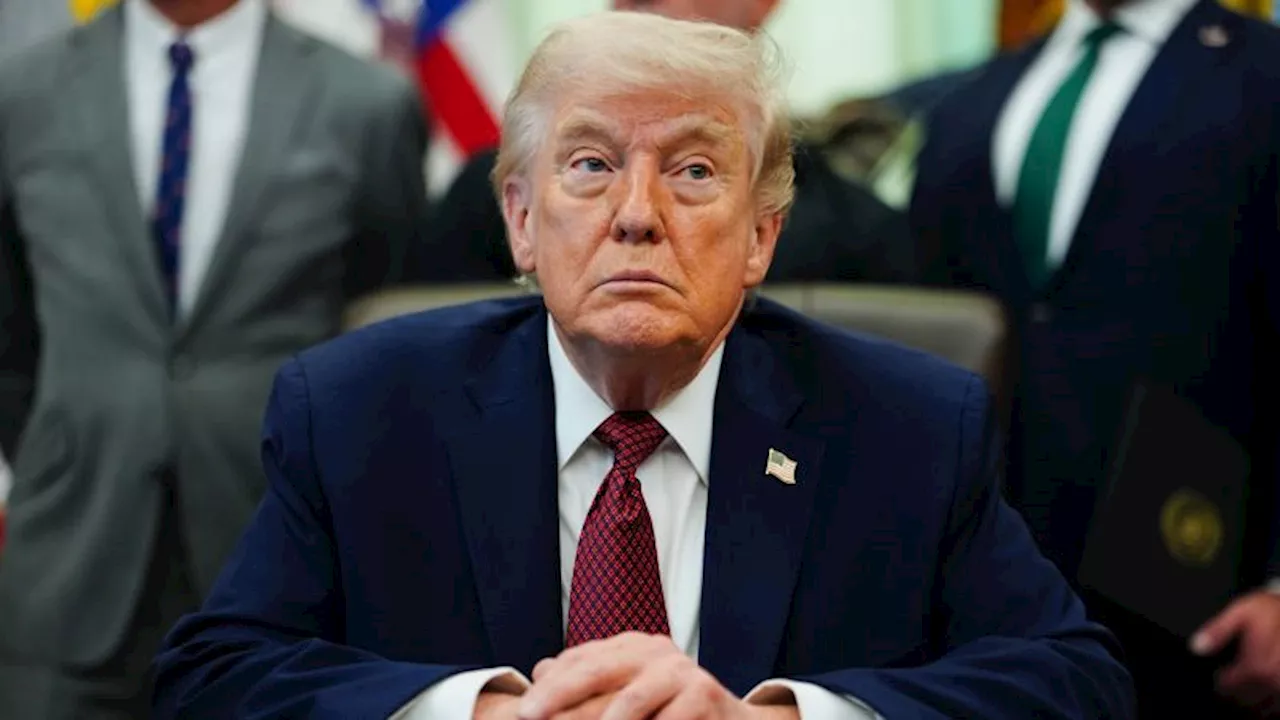
President Donald Trump has escalated tensions with Iran while simultaneously pursuing diplomatic talks, threatening to destroy the country's power plants and bridges if Tehran doesn't accept his peace terms. The president announced Sunday that a U.S. delegation would return to Pakistan for renewed negotiations, even as the vital Strait of Hormuz remains closed to international shipping.
High-Stakes Diplomacy Under Pressure
Trump's latest ultimatum came via social media, where he warned Iran in characteristically blunt terms: "We're offering a very fair and reasonable DEAL, and I hope they take it because, if they don't, the United States is going to knock out every single Power Plant, and every single Bridge, in Iran. NO MORE MR. NICE GUY!"
The U.S. delegation, set to arrive Monday evening, will be led by Vice President JD Vance, who previously conducted the war's first peace talks just a week ago. Trump's envoy Steve Kushner and the president's son-in-law Jared Kushner are also expected to attend the crucial negotiations.
However, Iran's participation remains uncertain. Iran's Tasnim news agency reported that no decision had been made to send a delegation while the U.S. blockade of Iranian ports continues. This diplomatic standoff occurs against the backdrop of a two-week ceasefire that expires early Wednesday, leaving negotiators with an extremely narrow window for progress.
Energy Markets in Turmoil
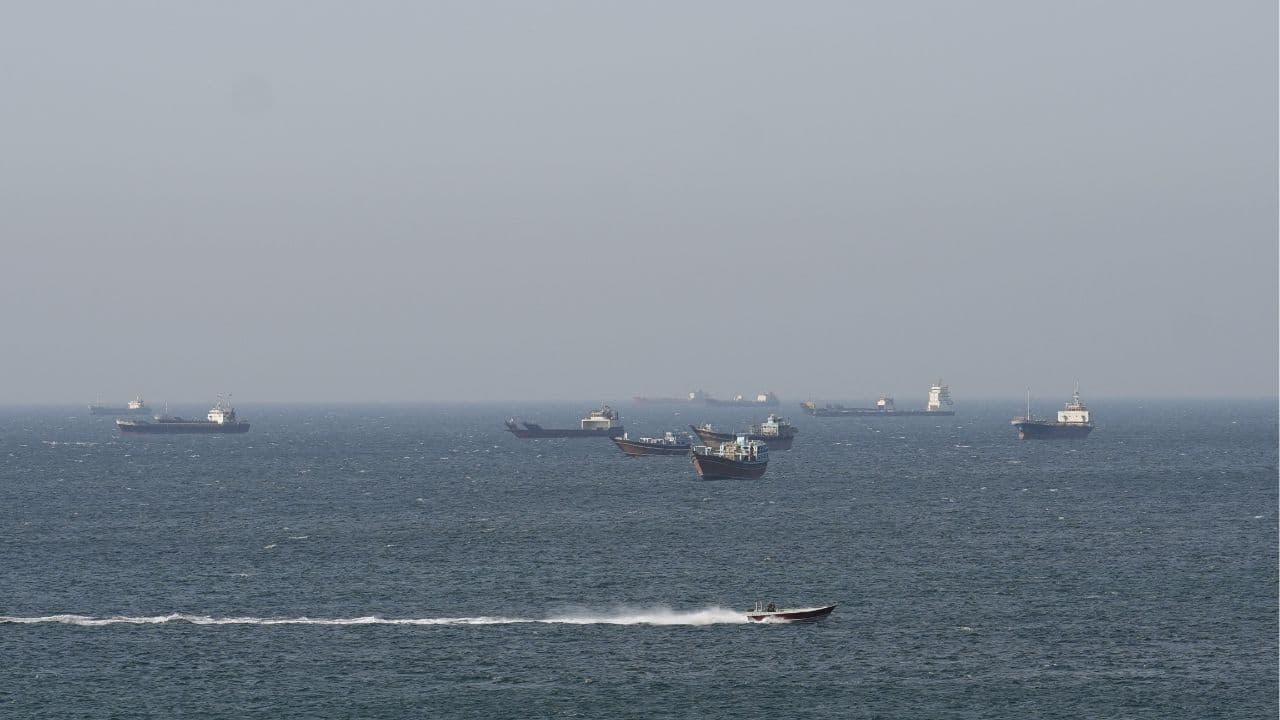
The ongoing conflict has created what experts call the most severe shock to global energy supplies in history. The Strait of Hormuz, which carried one-fifth of the world's oil shipments before the war, remains effectively closed after Iran fired on vessels attempting to cross on Saturday.
This maritime chokepoint's closure has sent oil prices surging, creating significant economic pressure on the Trump administration as Republicans prepare to defend narrow congressional majorities in November's midterm elections. Rising gasoline prices and inflation have already impacted Trump's approval ratings, intensifying pressure for a diplomatic resolution.
Amrita Sen, founder of the Energy Aspects think tank, warned that oil prices would likely rise Monday as traders realize their optimism following Friday's brief reopening announcement may have been premature. "Events over the weekend with Iran firing on merchant vessels and shutting the strait again highlight just how precarious the situation is," she said.
Nuclear Negotiations at Critical Juncture
The nuclear dimension adds complexity to the talks. During last weekend's negotiations in Islamabad, the U.S. proposed a 20-year suspension of all Iranian nuclear activity, while Iran countered with a 3 to 5-year halt, according to sources familiar with the discussions.
Iran's chief negotiator, Mohammad Baqer Qalibaf, acknowledged that while progress had been made, the sides remained "far apart on nuclear issues and the Strait of Hormuz." This gap underscores the challenge facing negotiators as they work under intense time pressure.
Military Posturing Continues
Despite diplomatic efforts, both sides maintain aggressive postures. Iran's Supreme Leader Ayatollah Mojtaba Khamenei issued a statement declaring Iran's navy ready to inflict "new bitter defeats" on its enemies. The threat carries weight given Iran's demonstrated ability to disrupt global shipping and target U.S. allies in the region.
Trump's pattern of escalatory rhetoric followed by diplomatic overtures has characterized this eight-week conflict. He previously announced the current ceasefire just hours after declaring that Iran's "whole civilization will die tonight," suggesting his latest threats may similarly precede conciliatory moves.
Regional Implications
The conflict has expanded beyond Iran, with thousands killed in U.S.-Israeli strikes and a parallel Israeli invasion of Lebanon targeting Hezbollah. Iran has responded with missile and drone attacks against Arab neighbors hosting U.S. bases, threatening to widen the conflict further.
A separate Israel-Lebanon ceasefire announced last week has provided some regional stability, though more than a million Lebanese remain displaced. Recent casualties, including a French U.N. peacekeeper killed by suspected Hezbollah fire, demonstrate the ongoing volatility.
Pakistan Prepares for Crucial Talks
Islamabad has locked down in preparation for the high-stakes negotiations. Two U.S. C-17 cargo planes arrived Sunday carrying security equipment, while authorities halted public transport and deployed barbed wire near the Serena Hotel, the likely venue for talks.
As markets brace for potential volatility and diplomatic teams prepare for what could be decisive negotiations, the next 48 hours may determine whether Trump's combination of threats and diplomacy can end a conflict that has already reshaped global energy markets and Middle Eastern geopolitics.
React to this story
Share this story
Stay in the loop
Get breaking presidential news delivered to your inbox daily.