
Trump Signs Revolutionary Executive Order to Fast-Track Psychedelic Treatments for Veterans
President Trump signed an executive order to fast-track psychedelic research, specifically ibogaine, to treat veteran PTSD and address the ongoing suicide crisis. The order allocates $50 million in federal funding and removes regulatory barriers blocking American researchers.
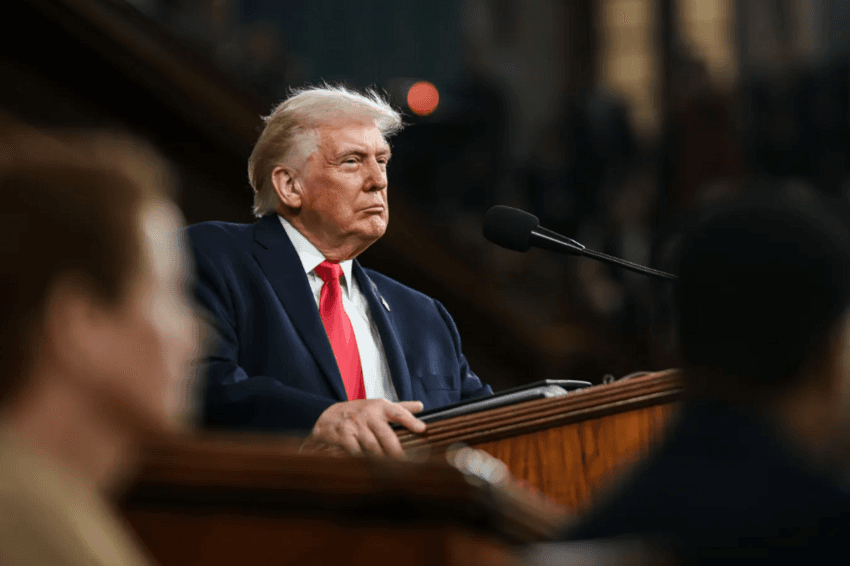
Trump Signs Revolutionary Executive Order to Fast-Track Psychedelic Treatments for Veterans
In a groundbreaking move that could transform mental health treatment for America's veterans, President Donald Trump signed an executive order on Saturday to expedite research and access to psychedelic compounds currently banned in the United States.
Targeting the Veteran Suicide Crisis
Speaking from the Oval Office, Trump emphasized the urgent need to address the mental health crisis plaguing American veterans. "Today's order will ensure that people suffering from debilitating symptoms might finally have a chance to reclaim their lives and lead a happier life," the President declared.
The statistics driving this unprecedented action are sobering. According to the executive order, more than 6,000 veterans die by suicide each year – a rate more than twice that of the general adult population. This crisis has persisted for over two decades, highlighting the failure of conventional treatments to adequately address PTSD and related conditions.
Focus on Ibogaine: A Controversial but Promising Treatment
The executive order specifically targets ibogaine, a psychedelic compound extracted from the African iboga plant. Currently classified as a Schedule I controlled substance, ibogaine is prohibited for use in the United States despite showing promise in treating depression, anxiety, and PTSD in veterans.
"These treatments are currently in the advanced stages of clinical trials to ensure that they're both safe and effective for the American patient," Trump explained, urging health professionals to expedite the reclassification process.
The order allocates $50 million in federal research funding specifically for ibogaine studies and opens the door for terminally ill or "desperately" ill patients to access the treatment under the Right to Try law passed during Trump's first term.
Kennedy's Role in Psychedelic Reform
Health Secretary Robert F. Kennedy Jr., a vocal advocate for psychedelic therapy, played a key role in developing this initiative. Kennedy expressed frustration that American veterans are forced to travel to Mexico and other countries to access these potentially life-saving treatments.
"This executive order will remove the legal impediments that block American researchers, scientists, physicians and clinicians on properly studying these medicines and where appropriate, establishing protocols for their safe therapy," Kennedy stated during Saturday's ceremony.
State-Level Momentum Building
Trump's federal action comes as momentum builds across state governments. Texas recently committed $50 million toward FDA-approved clinical trials of ibogaine for treating opioid addiction and PTSD. Arizona approved $5 million in funding, while Colorado is expanding its supervised psilocybin program to include ibogaine.
States including California, Indiana, and Mississippi have also opened doors to studying these compounds, creating a patchwork of research opportunities that the federal order aims to coordinate and enhance.
Overcoming FDA Resistance
The executive order represents a significant departure from the previous administration's approach. Under President Biden, the FDA rejected MDMA-assisted therapy for PTSD from Lykos Therapeutics, citing research quality concerns and questions about clinical trial design.
This rejection highlighted the regulatory hurdles facing psychedelic research, even as international evidence mounts for these treatments' effectiveness. Australia became the first country to legalize and regulate MDMA for PTSD treatment, with researchers reporting positive outcomes.
Medical Risks and Research Challenges
While promising, ibogaine treatment carries significant medical risks, particularly heart complications. The compound's Schedule I classification has made comprehensive U.S. research nearly impossible, leaving much of the evidence base limited to small international studies.
These studies have shown ibogaine's potential to reduce opioid withdrawal symptoms and help treat traumatic brain injuries, but larger, controlled trials are desperately needed to establish safety protocols and optimal treatment regimens.
A New Era for Mental Health Treatment
Trump's executive order signals a dramatic shift in federal drug policy, prioritizing veteran welfare over traditional prohibitionist approaches. By directing the FDA to issue new guidance for researchers and providing substantial funding, the administration is betting that psychedelic therapy could break through decades of treatment-resistant mental health conditions.
This bold initiative reflects growing recognition that conventional approaches have failed to adequately address the veteran suicide crisis. With proper research and safety protocols, psychedelic treatments could offer hope to thousands of Americans who have served their country and deserve access to the most effective treatments available.
The success of this program could pave the way for broader psychedelic therapy access, potentially revolutionizing mental health treatment across the United States.
React to this story
Share this story
Stay in the loop
Get breaking presidential news delivered to your inbox daily.


