Trump Reinstitutes Tariffs: The Economic Implications of His Latest Trade Moves
President Trump has instituted new tariffs on imports from 60 countries, claiming to combat forced labor practices. Critics are concerned about the negative implications for American consumers amidst rising inflation.

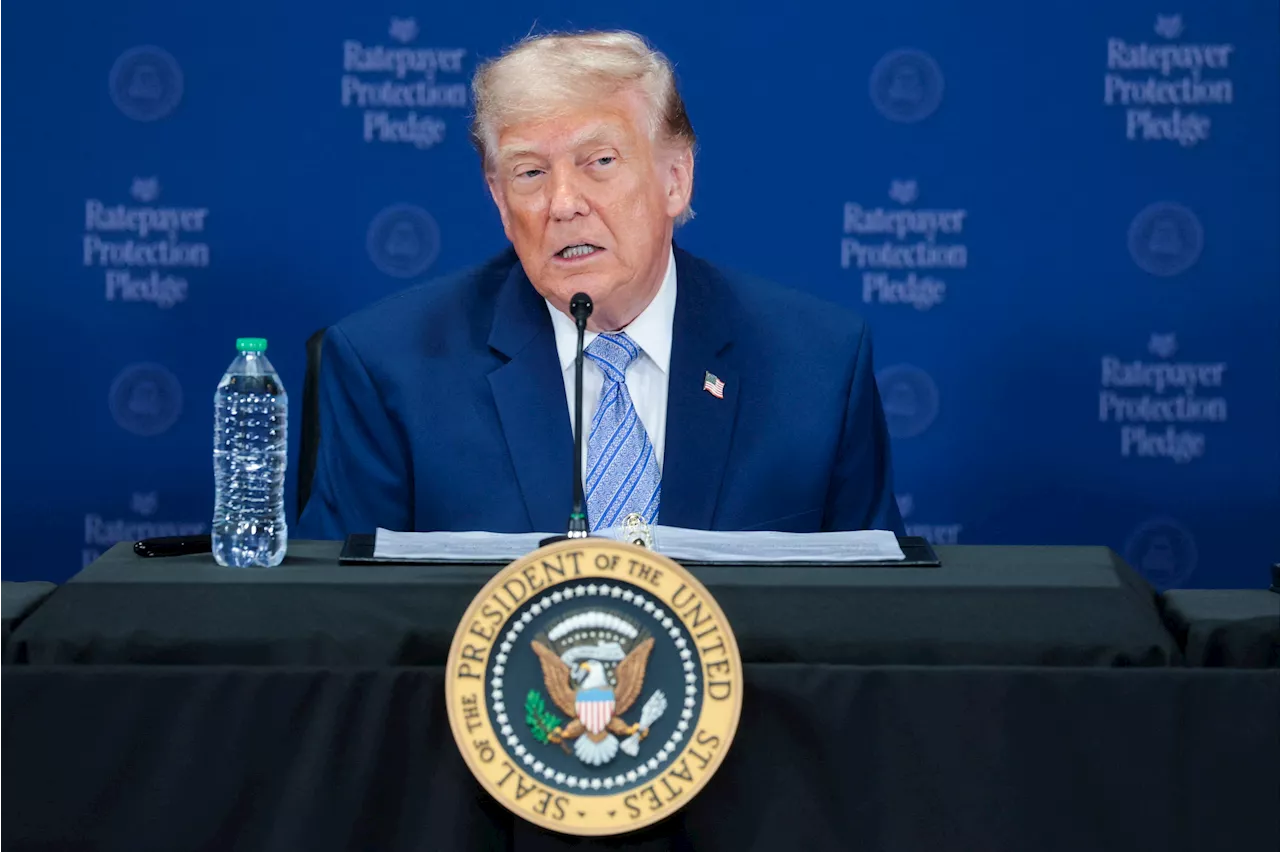
In a controversial maneuver aimed at reinforcing the American economy, President Donald Trump recently announced a new wave of tariffs on imports from 60 countries, which include major trading partners like the European Union, Japan, and Canada. The new tariffs, ranging between 10% and 12.5%, are ostensibly designed to combat forced labor in international supply chains. However, many critics argue that they represent a rebranding of previous tariffs struck down by the Supreme Court earlier this year.
The timing of this announcement is notable, as it coincided with the expiration of temporary global tariffs that Trump had imposed back in February. By rolling out these new levies that apply to 99% of U.S. imports, the Trump administration appears to be circumventing legal challenges to its earlier, broader tariff packages.
Former Supreme Court rulings aren't the only hurdle the Trump administration faces; the backlash from trading partners was swift and vehement. Critics like Oregon Sen. Ron Wyden have condemned these tariffs as a ploy to revive failed policies, highlighting concerns over inflation and consumer costs. With inflation already a pressing issue for many American families, the prospect of higher prices due to tariffs could have significant ramifications, especially as the nation approaches the critical November elections.
Interestingly, the new tariffs are structured to target countries based on their enforcement (or lack thereof) of laws banning forced labor imports. Countries failing to meet these standards will see tariffs of up to 12.5%, while nations with some restrictions but inadequate enforcement face a slightly lower 10%. Notably, certain products such as oil and fertilizers are exempt, reflecting the administration's strategic thinking around which industries it aims to protect.
Despite this tactical approach, the potential economic fallout from these tariffs cannot be overlooked. Businesses across various sectors have begun to prepare for these changes, anticipating higher import costs that are likely to trickle down to consumers. Economists estimate that the overall rate of tariffs will not significantly alter in the short term, given the closeness of these new tariffs to the expiring ones. However, this uncertainty looms large over the business community, with many companies already raising prices in anticipation of the new levies.
Experts from the National Retail Federation have already issued warnings about how escalating tariffs correlate with rising costs for consumers. Recent price hikes in footwear offer a stark illustration: shoe prices rose by 4.1% in June compared to the previous year, with children's shoes seeing an even steeper increase of 4.7%. With the global economy still feeling the aftershocks of previous tariffs and the ongoing conflict in Iran contributing to fuel price spikes, the pressure on prices is likely to persist.
In defense of the new tariffs, U.S. Trade Representative Jamieson Greer reiterated the administration's commitment to combatting forced labor on an international scale. "The United States has had a forced labor import ban for nearly a century, and rigorously enforces it; it’s well past time for our trading partners to do the same,’ he stated, pointing towards what the administration views as a failure among trading partners to uphold humane labor standards.
However, this rationale has not gone unchallenged. Australian officials have labeled the tariffs as "completely unjustified," and critics from both sides of the aisle in Congress have taken issue with what they perceive as a lack of genuine commitment to resolving the issue of forced labor. Democratic Congresswoman Linda Sanchez succinctly criticized the uniform application of tariffs on countries like China, which has a notorious reputation for forced labor practices, compared to countries like Australia that are perceived as having better labor conditions.
As tariffs and trade wars remain deeply contentious subjects in U.S. politics, the unfolding situation continues to raise alarm bells among consumers, businesses, and trade officials abroad. With elections on the horizon, how this impacts Trump's standing as a reliable economic steward remains to be seen. Will he weather the storm of rising consumer prices and the economic consequences of aggressive tariff enforcement? The answer may shape not just his presidency but also the future landscape of U.S. trade policy.
React to this story
Share this story
Stay in the loop
Get breaking presidential news delivered to your inbox daily.