Trump Defies Secret Service Protocol, Sends JD Vance to High-Risk Pakistan Iran Peace Talks
President Trump defied Secret Service protocols by reversing his decision to send VP JD Vance to Pakistan for Iran peace talks. The dramatic turnaround comes as a critical ceasefire deadline looms this Wednesday.
Trump Overrules Security Concerns in Dramatic Policy Reversal
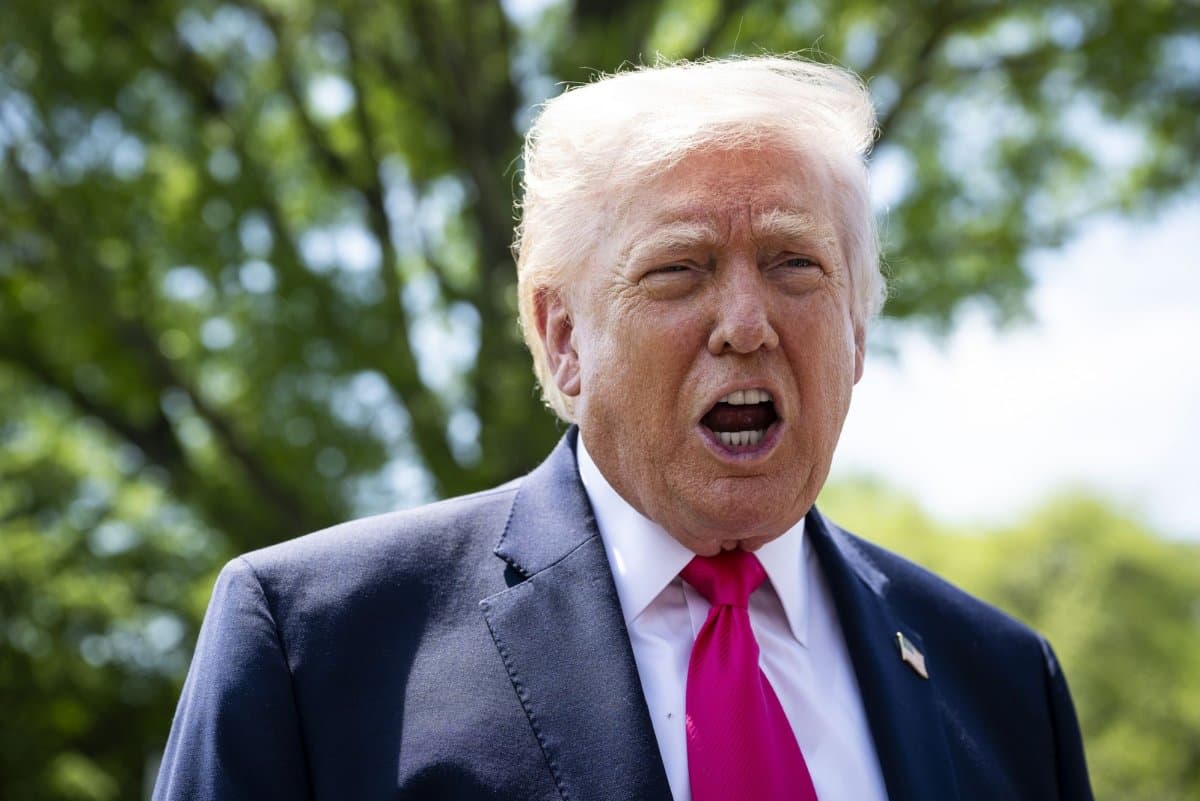
In a stunning display of executive authority, President Trump has defied Secret Service protocols by reversing his decision and sending Vice President JD Vance to Pakistan for critical Iran peace negotiations, despite significant security concerns.
Morning Reversal Catches Everyone Off Guard
The dramatic turnaround unfolded within hours. This morning, Trump publicly stated that Vance would not be joining the Pakistan delegation due to security issues. However, by afternoon, the White House confirmed to CNN that the Vice President would indeed be departing for Islamabad tomorrow.
"Things changed," was the terse explanation offered by a White House official when pressed about the sudden policy reversal.
Secret Service Protocols Under Pressure
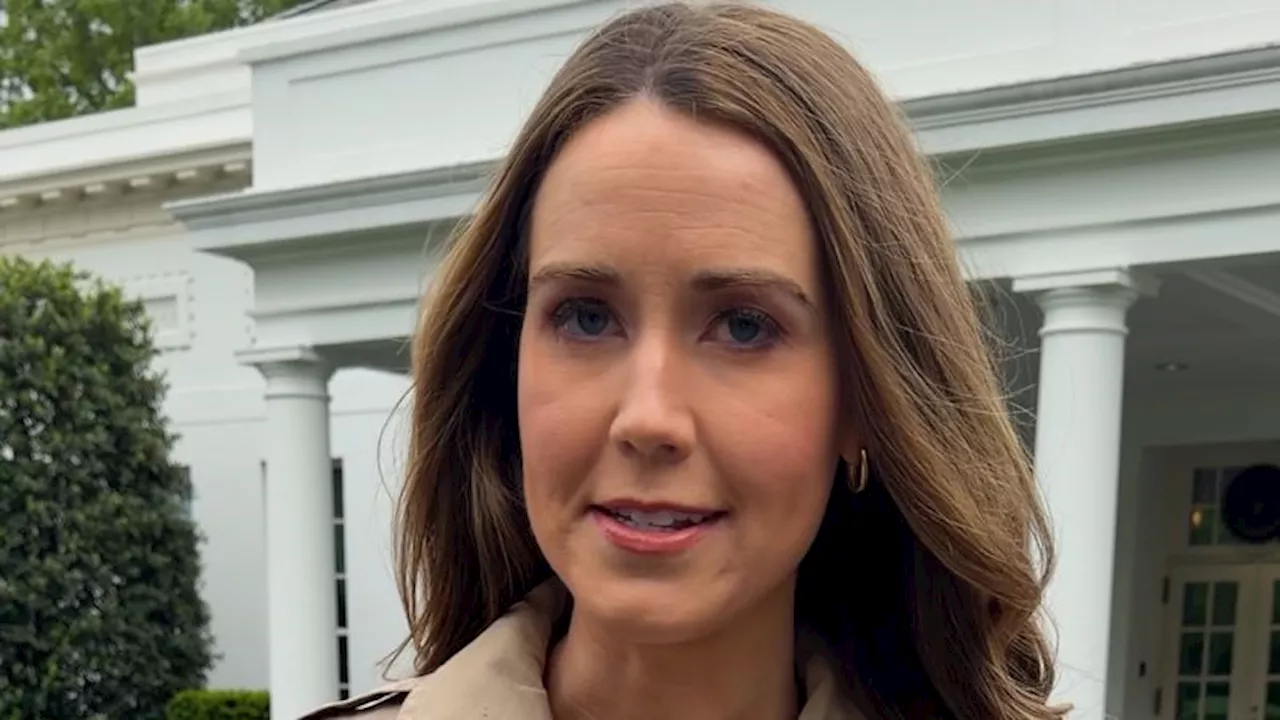
According to CNN's Alayna Treene, Trump's decision directly contradicts Secret Service directives that typically keep the President and Vice President in separate locations, especially in high-risk regions like Pakistan.
"Secret Service does not want Vance & POTUS in the same place at the same time (not just due to the region & the security risks that poses, but in general/domestically too)," Treene explained on social media.
The security protocols are particularly stringent given the volatile nature of the Iran negotiations and the inherent risks of the region.
High-Stakes Delegation Formation
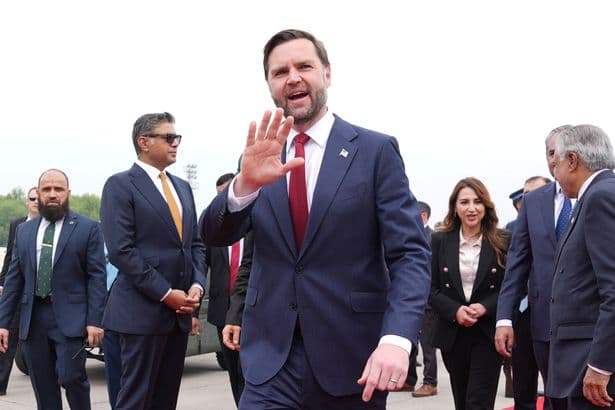
Vance will now lead the U.S. delegation in Islamabad alongside Special Envoy Steve Witkoff and Jared Kushner, both of whom Trump had previously confirmed for the mission. This represents a significant upgrade in the delegation's profile and underscores the critical importance Trump places on these negotiations.
The timing couldn't be more crucial, as the current two-week ceasefire is set to expire this Wednesday, making these talks potentially the last chance to prevent escalation.
Trump's Ultimatum Raises Stakes
The President has dramatically increased pressure on Iran, issuing a stark ultimatum on social media: if a deal isn't reached this week, the U.S. will "knock out every single Power Plant, and every single Bridge, in Iran."
This aggressive posturing adds enormous weight to Vance's mission and explains why Trump was willing to override security protocols to ensure his Vice President personally leads the negotiations.
Iranian Resistance Complicates Mission
The delegation faces significant challenges beyond security concerns. Iranian state media has suggested that Iran may not send a delegation as long as the U.S. naval blockade of their ports continues, potentially undermining the talks before they begin.
This standoff over preconditions could derail the entire peace process, making Vance's diplomatic skills crucial to even getting both sides to the negotiating table.
Second Chance for Critical Diplomacy
Vance's inclusion represents what sources describe as a "second chance" for the Vice President, who was initially sidelined from the first round of talks. The first round reportedly didn't go well, making this mission even more critical for both U.S. foreign policy and Vance's political standing.
The delegation is expected to arrive in Islamabad on Monday night, with formal negotiations scheduled to begin Tuesday.
Security vs. Diplomacy Balance
Trump's decision highlights the ongoing tension between security protocols and diplomatic necessity. By overruling the Secret Service, the President has signaled that he views these Iran negotiations as worth the additional risk.
The move also demonstrates Trump's willingness to make rapid policy reversals when he deems it necessary, keeping both allies and adversaries guessing about his next move.
Critical Week Ahead
With the ceasefire deadline looming and Trump's ultimatum hanging over the talks, Vance faces one of the most challenging diplomatic missions of the administration. The success or failure of these negotiations could determine whether the region moves toward peace or faces devastating military action.
The world will be watching as this high-stakes diplomatic gamble unfolds in Islamabad.
React to this story
Share this story
Stay in the loop
Get breaking presidential news delivered to your inbox daily.