Trump Confident on Iran Deal Despite Strait of Hormuz Crisis and Market Volatility
Trump expresses confidence in securing an Iran deal despite escalating Strait of Hormuz tensions and market volatility. Iranian forces have re-closed the critical waterway, firing warning shots at commercial vessels and reversing recent diplomatic progress.
Trump Remains Optimistic About Iran Deal as Strait of Hormuz Tensions Escalate
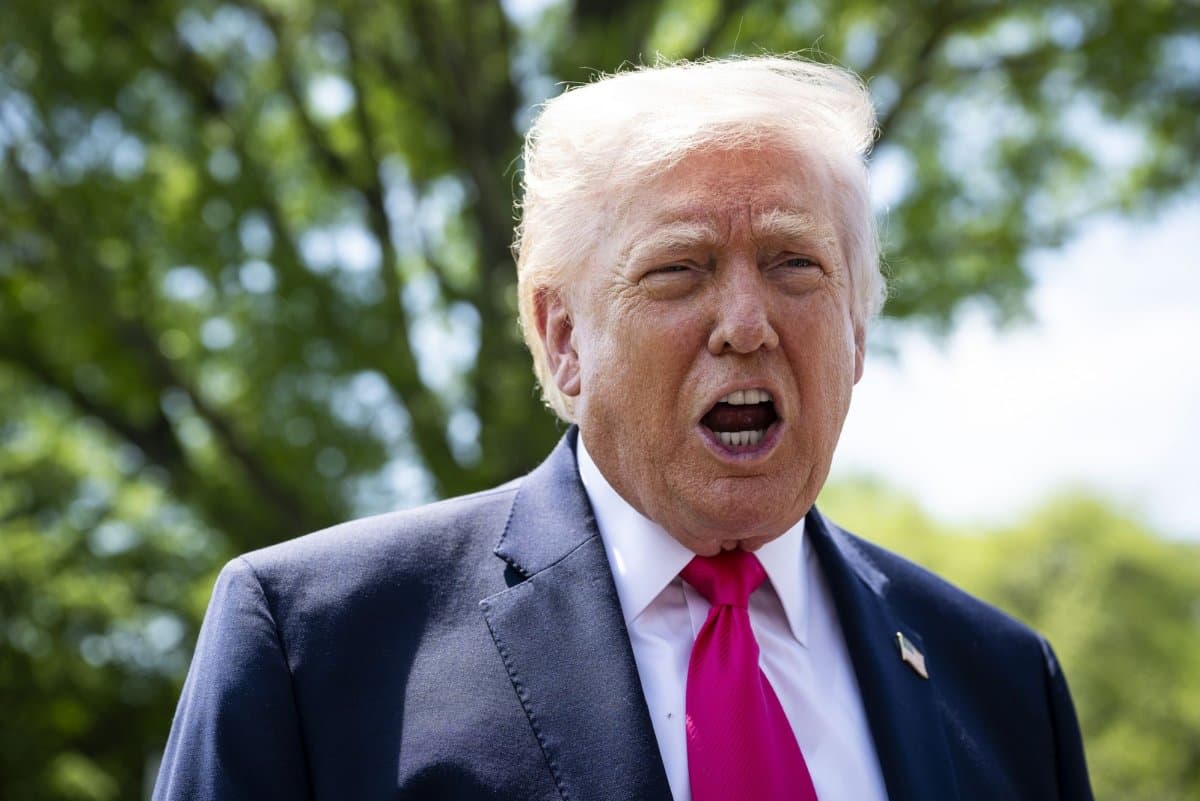
Despite mounting tensions in the Persian Gulf and a dramatic reversal in diplomatic progress, former President Donald Trump continues to express confidence that he can secure a deal with Iran. Speaking to reporters over the weekend, Trump insisted that a breakthrough "will happen," even as the situation in the strategically vital Strait of Hormuz deteriorated rapidly.
Crisis Returns to Critical Waterway
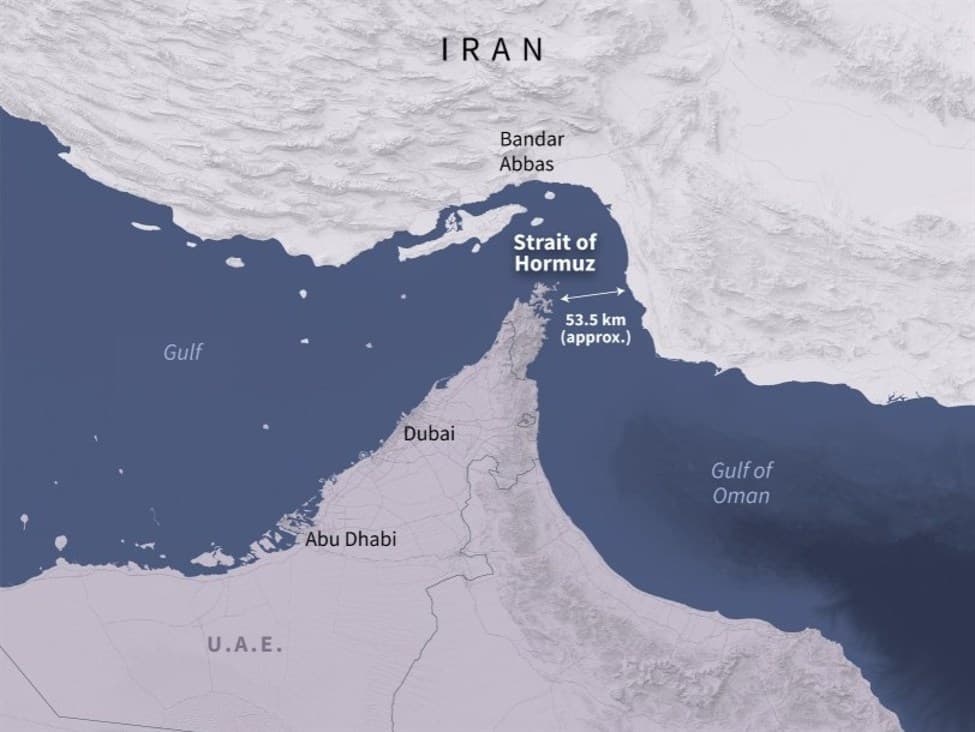
The weekend brought sobering news from the Middle East as Iran announced the re-closure of the Strait of Hormuz, effectively reversing what had been a brief diplomatic opening during recent ceasefire negotiations. Iranian forces have re-imposed strict transit restrictions on the waterway, which handles approximately 20% of global oil shipments, returning the region to a dangerous state of escalation.
According to regional shipping reports and security sources, Iranian Revolutionary Guard units have fired warning shots at commercial vessels attempting to navigate the strait without proper coordination. At least two incidents have been confirmed - one involving an oil tanker and another targeting a container ship. While no vessels were reportedly struck, both incidents were sufficient to force the ships to alter course and deter other maritime traffic.
Economic Ripple Effects
The reimposition of Iranian control over the strait has sent immediate shockwaves through global markets. Shipping flows through Hormuz have plummeted as tanker operators either delay their entries or seek alternative routes. War-risk insurance premiums have spiked materially, adding another layer of deterrence for commercial vessels considering transit through the chokepoint.
Market indicators show the U.S. dollar strengthening as investors flee to safe-haven assets, while risk markets are expected to decline as Asian trading centers come online. However, analysts note that the currency flows are not excessive, suggesting markets view this as "negotiation playing out in real time" rather than a prelude to full-scale military conflict.
Diplomatic Stalemate Intensifies
The current crisis represents a classic feedback loop of escalation. The United States maintains its maritime blockade targeting Iranian oil exports, refusing to lift restrictions until a comprehensive agreement is reached. Iran responds by constraining access to one of the world's most critical energy corridors, using the strait as leverage in ongoing negotiations.
Tehran apparently expected that signaling a reopening of the strait would prompt Washington to ease its blockade. However, those expectations went unmet as the Iranian overture came with conditions that the U.S. found unacceptable. This miscalculation has pushed both sides back into confrontational postures.
Trump's Diplomatic Confidence
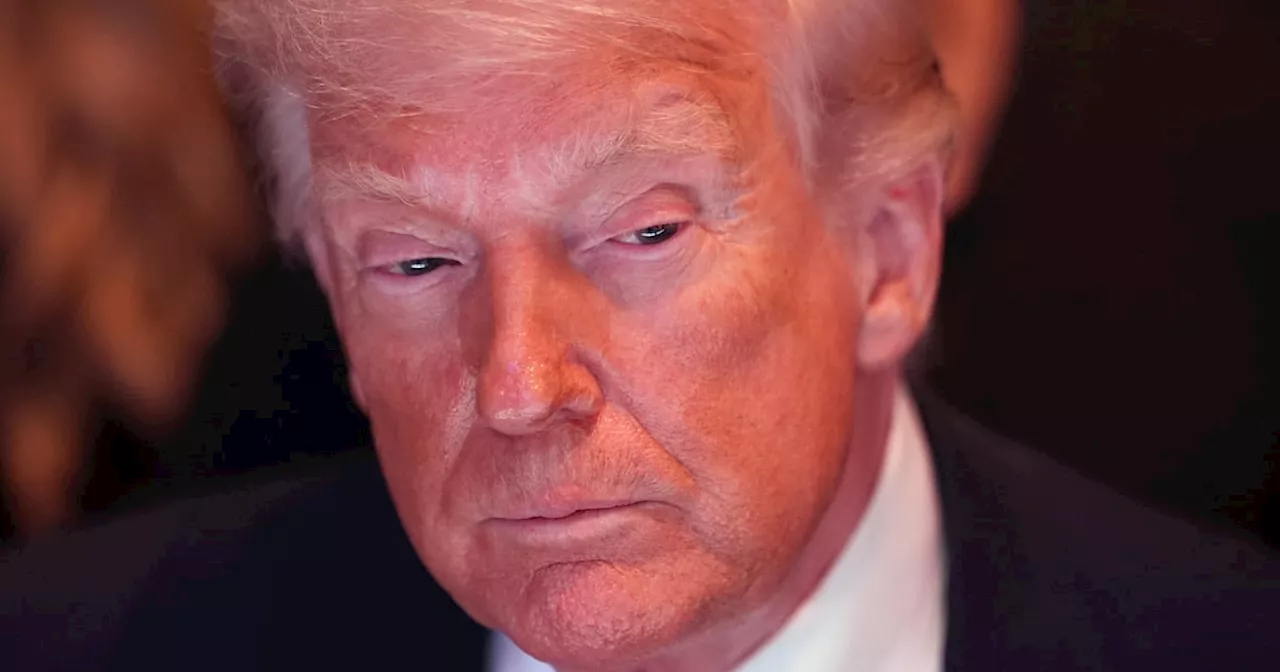
Against this backdrop of rising tensions, Trump's continued optimism about reaching a deal with Iran stands out. His weekend comments suggest he believes diplomatic channels remain viable despite the escalating maritime standoff. This confidence may reflect his administration's previous approach to Iran, which combined maximum pressure campaigns with occasional diplomatic outreach.
The former president's assertion that a deal "will happen" comes at a particularly volatile moment, with what observers are calling another "fog of war week." The situation has taken a decidedly negative turn after the brief optimism that emerged from late last week's diplomatic activities.
Strategic Implications
The Strait of Hormuz closure carries far-reaching implications beyond immediate shipping disruptions. The waterway's strategic importance cannot be overstated - any prolonged restriction of access affects global energy supplies and prices, potentially impacting economies worldwide.
Iran's hardening stance, despite ongoing diplomatic channels, signals Tehran's willingness to use economic leverage as a negotiating tool. The Revolutionary Guard's aggressive enforcement of transit restrictions demonstrates that Iran views control of the strait as its most powerful card in dealings with Washington.
Looking Ahead
As markets brace for another week of volatility, all eyes will be on both diplomatic developments and maritime incidents in the Gulf. The current standoff represents a high-stakes game of economic and military brinksmanship, with both sides testing each other's resolve.
Trump's confidence in achieving a diplomatic breakthrough will face its ultimate test in the coming days, as the "war of tweets and the war on the sea" continues to unfold. Whether his optimism proves prescient or premature may well determine the trajectory of U.S.-Iran relations for months to come.
React to this story
Share this story
Stay in the loop
Get breaking presidential news delivered to your inbox daily.