Trump Announces Iran Talks in Pakistan as U.S. Seizes Iranian Ship in Hormuz Standoff
Trump's announcement of Iran talks in Pakistan was overshadowed by U.S. forces seizing an Iranian ship in the Strait of Hormuz. The dramatic confrontation threatens to derail diplomatic efforts as a fragile ceasefire expires Wednesday.

Diplomatic Tensions Escalate as Naval Confrontation Unfolds
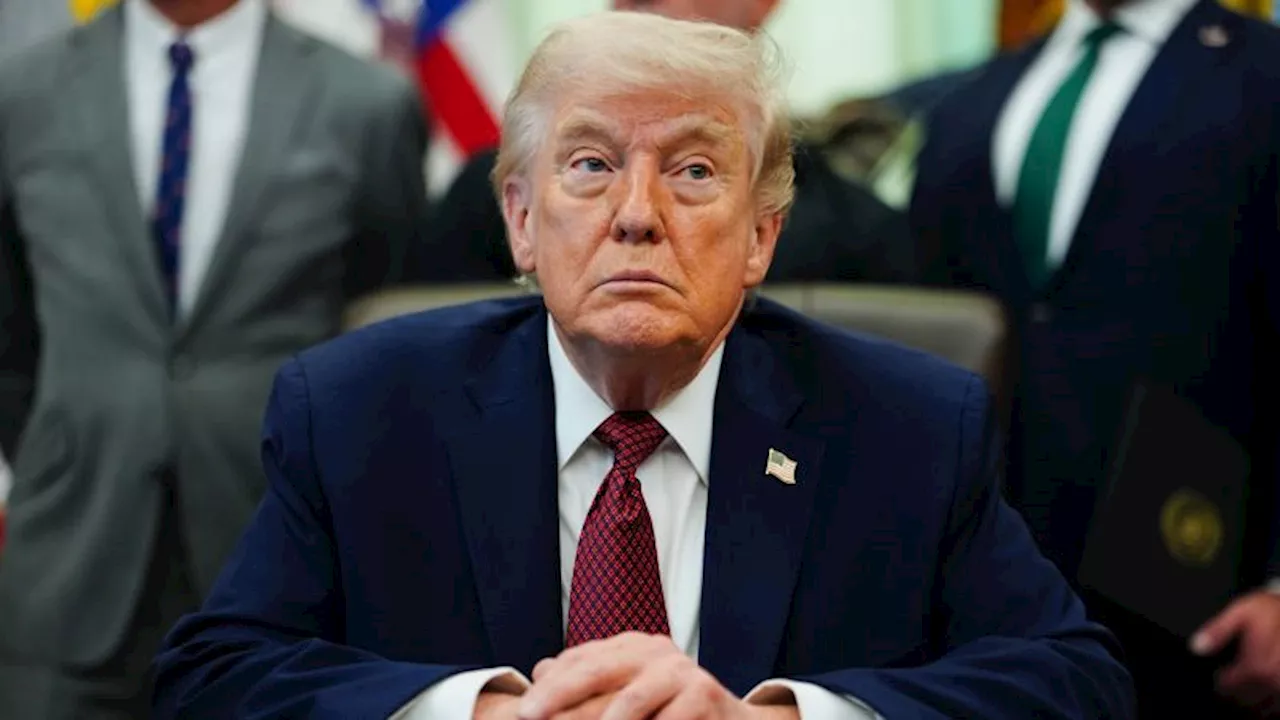
President Trump's announcement of upcoming U.S.-Iran negotiations in Pakistan took an unexpected turn Sunday when American forces seized an Iranian cargo ship attempting to breach the naval blockade near the strategically vital Strait of Hormuz. The dramatic development raises serious questions about the viability of diplomatic talks scheduled to begin Monday in Islamabad.
Ship Seizure Complicates Diplomatic Efforts
In a characteristic social media post, Trump detailed how a U.S. Navy guided missile destroyer intercepted the Iranian-flagged vessel Touska after issuing "repeated warnings over a six-hour period." The president described how American forces "stopped them right in their tracks by blowing a hole in the engineroom," with U.S. Marines now in custody of the sanctioned vessel.
The timing couldn't be more precarious. With a fragile ceasefire set to expire Wednesday, this forcible seizure threatens to derail what many hoped would be productive negotiations to resolve the escalating crisis in one of the world's most critical shipping lanes.
High-Stakes Negotiations Hang in Balance
Vice President JD Vance, who successfully led the first round of historic face-to-face talks last weekend, is set to return to Pakistan alongside envoys Steve Witkoff and Jared Kushner. However, Iranian state media reports suggest Tehran may be reconsidering participation following the ship seizure.
Iranian President Masoud Pezeshkian reportedly expressed concerns about American "bullying and unreasonable behavior" during a phone conversation with Pakistani Prime Minister Shehbaz Sharif. The Iranian leader warned that U.S. actions have increased "suspicion about the possibility that the U.S. will repeat previous patterns and betray diplomacy."
Economic Warfare Through Strategic Chokepoint
The Strait of Hormuz crisis represents perhaps the most significant test of Trump's foreign policy approach since taking office. Roughly one-fifth of global oil trade normally flows through this narrow waterway, along with critical supplies of fertilizer, natural gas, and humanitarian aid destined for crisis zones like Afghanistan and Sudan.
Hundreds of vessels remain trapped at both ends of the strait, creating one of the worst global energy crises in decades. The standoff has evolved into a complex game of economic chess, with Iran wielding the strait's closure as its "most powerful weapon" while the U.S. blockade systematically weakens Iran's already struggling economy.
Trump's Hardline Approach Under Scrutiny
True to form, Trump's latest statement doubled down on his controversial infrastructure threats, declaring that if Iran rejects American proposals, "the United States is going to knock out every single Power Plant, and every single Bridge, in Iran." These threats have drawn widespread international criticism and warnings about potential war crimes.
Iranian officials remain defiant, with parliament speaker Mohammad Bagher Qalibaf stating that "it is impossible for others to pass through the Strait of Hormuz while we cannot." This position reflects Iran's determination to maintain control over maritime traffic until the broader conflict ends completely.
Mounting Casualties and Regional Impact
The Iran war, now in its eighth week, has exacted a devastating human toll. At least 3,000 Iranians, more than 2,290 Lebanese, 23 Israelis, and over a dozen people in Gulf Arab states have lost their lives. The conflict has also claimed 15 Israeli soldiers in Lebanon and 13 American service members across the region.
The crisis began February 28 when the U.S. and Israel launched military operations during nuclear program negotiations. What started as targeted strikes has evolved into a complex regional conflict with global economic implications.
Pakistan's Pivotal Role
As diplomatic mediator, Pakistan finds itself in an increasingly difficult position. Security has been tightened in Islamabad, with U.S. advance teams already on the ground. However, Pakistani officials have yet to confirm whether the second round of talks will proceed as planned.
The fragile ceasefire that emerged after a 10-day truce between Israel and Hezbollah initially offered hope for progress. But Trump's insistence that the U.S. blockade "will remain in full force" until Tehran reaches an agreement has complicated diplomatic efforts.
Critical Juncture for Global Stability
As Monday's deadline approaches, the world watches anxiously. The combination of military confrontation, economic pressure, and diplomatic uncertainty creates a volatile situation that could either yield a breakthrough agreement or spiral into broader regional conflict. With global energy markets hanging in the balance, the stakes couldn't be higher for all parties involved.
React to this story
Share this story
Stay in the loop
Get breaking presidential news delivered to your inbox daily.