Trump Administration Pressures Israel Into Lebanon Ceasefire as Diplomatic Breakthrough Emerges
The Trump administration is applying unprecedented pressure on Israel to implement a temporary ceasefire in Lebanon, following breakthrough diplomatic talks hosted by Secretary of State Marco Rubio. Israeli officials indicate they may have "no choice" but to comply within days.
Trump Administration Pressures Israel Into Lebanon Ceasefire as Diplomatic Breakthrough Emerges
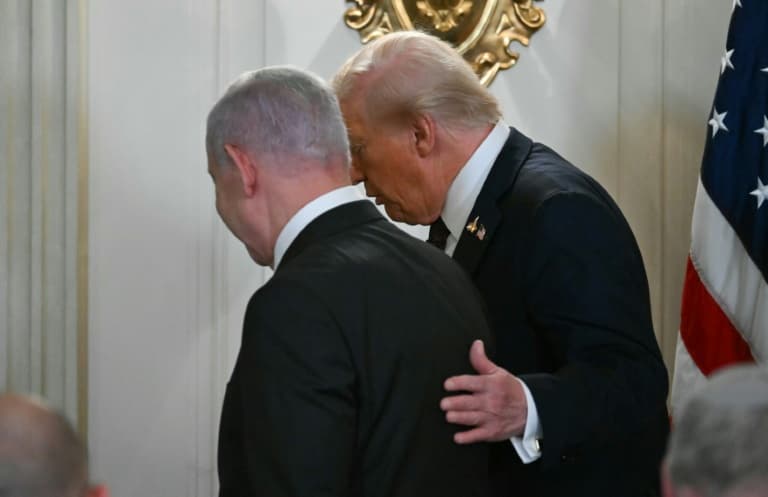
The Trump administration is reportedly applying significant pressure on Israel to implement a temporary ceasefire in Lebanon, marking a potential diplomatic breakthrough in one of the Middle East's most volatile conflicts. According to Israeli Channel 12, Israel's security cabinet is now seriously considering this move as tensions between Washington and its key ally reach a critical juncture.
High-Stakes Diplomatic Maneuvering
Sources close to the Israeli government indicate that the U.S. believes a ceasefire could create the necessary breathing room for broader negotiations between Israel and Lebanon, as well as between Washington and Tehran. "Our assessment is that within a few days, we will have no choice but to fully cease fire in Lebanon," an Israeli source told the outlet, suggesting that American pressure has reached unprecedented levels.
The proposed ceasefire would last approximately one week, with the understanding that hostilities could resume if both parties fail to reach a more comprehensive agreement within that timeframe. This limited window reflects the Trump administration's pragmatic approach to Middle Eastern diplomacy – creating immediate de-escalation while maintaining leverage for longer-term solutions.
Rubio's Diplomatic Breakthrough
The ceasefire discussions follow a significant diplomatic meeting hosted by Secretary of State Marco Rubio on Tuesday, where Israeli and Lebanese officials found unexpected common ground. Israeli Ambassador to the U.S. Yechiel Leiter described the talks as revelatory, stating that negotiators "discovered today that we're on the same side of the equation, and that's the most positive thing we could have come away with."
Leiter painted an optimistic picture of future Israeli-Lebanese relations, envisioning "a clearly delineated border between our countries, and where the only reason we'll need to cross each other's territory will be in business suits to conduct business or in bathing suits to go on vacation." This vision represents a dramatic departure from decades of conflict and territorial disputes.
Lebanese Government Takes Bold Stand
Perhaps most significantly, Lebanese officials demonstrated remarkable courage by participating in the talks despite explicit threats from Hezbollah to boycott any negotiations. According to Ambassador Leiter, the Lebanese government "made it very clear that they will no longer be occupied by Hezbollah" and "expressed a strong will to this time disarm Hezbollah."
This represents a potentially seismic shift in Lebanese politics, where Hezbollah has long maintained a state-within-a-state structure, controlling significant portions of the country's territory and wielding substantial political influence. The Lebanese government's willingness to directly confront Hezbollah's authority could signal a new chapter in the nation's struggle for sovereignty.
Hezbollah's Predictable Resistance
As expected, Hezbollah has responded with fierce opposition to any diplomatic progress. The organization's top leader, Naim Qassem, declared that the group "absolutely rejects" the talks and warned that negotiations "will only bring defeat for Lebanon's government and people."
Qassem also advanced conspiracy theories about Israeli intentions, claiming that Israel seeks to annex Lebanon as part of a "Greater Israel" project aimed at dominating the Middle East. High-ranking Hezbollah official Wafik Saha echoed these sentiments, stating that the group would not observe any agreement reached between the countries.
Trump's Middle East Strategy in Action
This diplomatic pressure campaign exemplifies the Trump administration's approach to Middle Eastern conflict resolution – combining unwavering support for key allies with strategic pressure to achieve concrete results. By pushing Israel toward a ceasefire while simultaneously facilitating direct talks between Lebanese and Israeli officials, the administration is demonstrating its commitment to reducing regional tensions through practical diplomacy.
The success of this initiative could serve as a template for addressing other regional conflicts, potentially reshaping America's role as a mediator in Middle Eastern affairs. As the one-week ceasefire window approaches, all eyes will be on whether this Trump-led diplomatic intervention can achieve lasting peace between these longtime adversaries.
React to this story
Share this story
Stay in the loop
Get breaking presidential news delivered to your inbox daily.