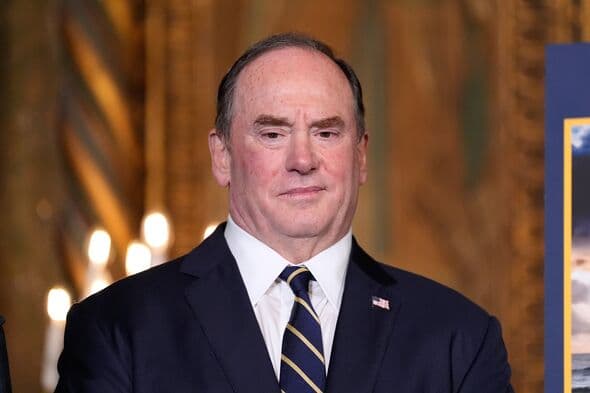
Trump Administration Ousts Navy Secretary Amid Iran Blockade Crisis
Defense Secretary Pete Hegseth abruptly fired Navy Secretary John Phelan amid tensions over shipbuilding reforms and chain of command disputes. The dismissal marks the 34th firing under Hegseth's leadership as the Navy enforces a critical blockade of Iranian ports.
Pentagon Upheaval as Military Leadership Faces Unprecedented Shakeup
In a stunning development that has sent shockwaves through military circles, Defense Secretary Pete Hegseth fired Navy Secretary John Phelan on Wednesday with no official explanation, marking the 34th dismissal of armed forces officials since Hegseth took control of the Pentagon. The abrupt removal comes at a particularly sensitive time as American warships enforce a critical blockade of Iranian ports during a fragile ceasefire.
Behind Closed Doors: The Power Struggle That Led to Phelan's Downfall
According to multiple sources, the dismissal stemmed from mounting tensions between Phelan and Defense Secretary Hegseth, who viewed the Navy secretary as moving too slowly on crucial shipbuilding reforms. The friction reached a boiling point during a White House meeting on shipbuilding Wednesday, where President Trump expressed his own frustration with the pace of naval modernization efforts.
"Phelan didn't understand he wasn't the boss. His job is to follow orders given, not follow the orders he thinks should be given," a source told Axios, highlighting the fundamental disagreement over chain of command protocols.
The situation was further complicated by Phelan's direct communication with Trump, which Hegseth interpreted as an attempt to bypass his authority. Deputy Defense Secretary Steve Feinberg's desire to assume control over major shipbuilding and Navy acquisition responsibilities added another layer of tension to an already volatile situation.
Trump's Direct Intervention
The final straw came during Wednesday's White House meeting when Trump, convinced that Phelan needed to be replaced, told Hegseth to "take care of it." What followed was a dramatic sequence of events that underscored the administration's no-nonsense approach to military leadership.
Phelan, apparently unaware of Trump's decision, began calling White House officials after receiving Hegseth's resignation ultimatum. In a last-ditch effort, he arrived at the White House grounds seeking clarification, only to have Trump personally confirm his dismissal during a brief meeting.
New Leadership Takes Command
Undersecretary Hung Cao, a decorated 25-year Navy veteran, will now serve as acting Navy secretary. The 54-year-old brings impressive credentials to the role, having served with SEAL teams in Iraq, Afghanistan, and Somalia before retiring at the rank of captain. A Naval Academy graduate with a master's degree in physics and fellowships at MIT and Harvard, Cao represents the kind of experienced military leadership the administration appears to favor.
Since becoming Navy undersecretary, Cao has championed the return to duty of service members who refused the Biden-era COVID-19 vaccine mandate, signaling his alignment with the current administration's priorities.
Controversial Background and Timing Concerns
Phelan's tenure was marked by controversy from the start. Unlike typical Navy secretaries, he came to the position without prior military or defense leadership experience, having built his career as a businessman and investment executive. His background as a major Republican donor and fundraiser raised questions about political appointments versus merit-based selection.
Adding to the controversy, reports surfaced that Phelan's name appeared on a 2006 flight manifest for Jeffrey Epstein's plane, though friends maintain he was unaware of the plane's ownership and had no further contact with the convicted sex offender.
Critical Military Operations Continue
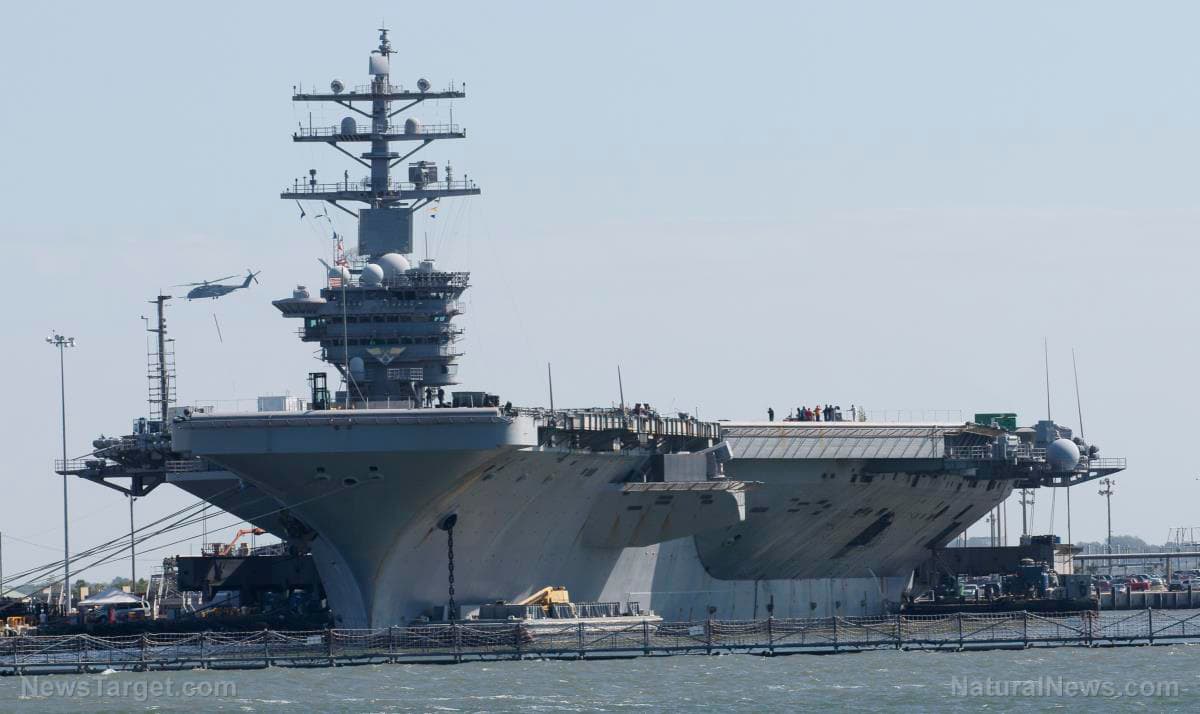
The timing of Phelan's dismissal is particularly significant given the Navy's current operations in the Persian Gulf. U.S. forces are enforcing a blockade on Iranian ports while maintaining a heavy presence around the Strait of Hormuz, through which 20% of the world's oil and gas passes during peacetime. The Navy has already redirected 31 vessels and boarded two ships as part of this operation.
With three aircraft carriers deployed in or heading to the Middle East, military officials emphasize that all armed forces remain ready to resume combat operations should the ceasefire expire.
Democratic Opposition and Institutional Concerns
Sen. Jack Reed, the top Democrat on the Senate Armed Services Committee, criticized the dismissal as "another example of the instability and dysfunction that have come to define the Department of Defense under President Trump and Secretary Hegseth."
The pattern of dismissals—34 officials since Hegseth took control—has raised concerns about institutional stability within the Pentagon. Previous high-profile firings included Adm. Lisa Franchetti and Gen. Charles "CQ" Brown Jr., suggesting a comprehensive reshaping of military leadership.
The Message is Clear
Phelan's sudden dismissal sends an unmistakable signal throughout the military hierarchy: loyalty, speed, and unwavering adherence to the chain of command are non-negotiable. As the Trump administration continues its aggressive restructuring of the Pentagon, military leaders at all levels understand that their positions depend on absolute alignment with the president's vision for America's defense establishment.
React to this story
Share this story
Stay in the loop
Get breaking presidential news delivered to your inbox daily.