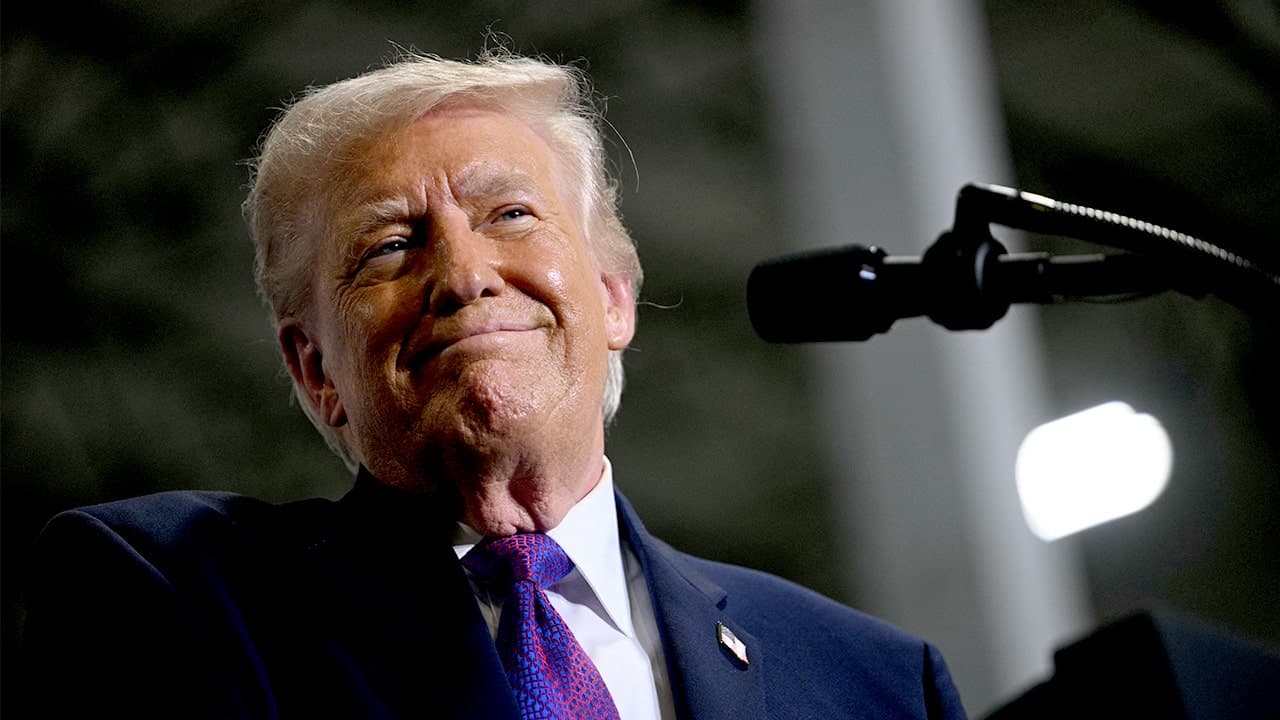
Trump Abruptly Kicks CBS Reporter Out of Oval Office During Iran War Briefing
President Trump dramatically ejected CBS reporter Olivia Rinaldi from the Oval Office when she tried to ask about Iran war developments. The incident occurred during a signing ceremony for an executive order on psychedelic drug research.
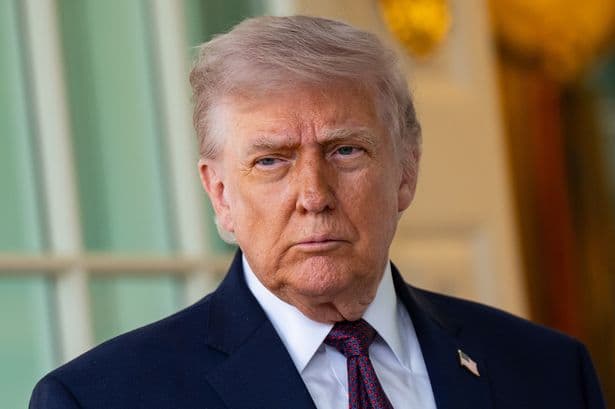
Trump Abruptly Kicks CBS Reporter Out of Oval Office During Iran War Briefing
President Donald Trump made headlines this weekend when he dramatically ejected a CBS News reporter from the Oval Office after she attempted to ask questions about the ongoing military strikes in the Middle East. The tense confrontation highlighted Trump's continued reluctance to face media scrutiny over his administration's foreign policy decisions.
The Dramatic Confrontation
The incident occurred during what was supposed to be a routine press briefing on Saturday, April 18, where Trump was signing an executive order to accelerate research into psychedelic drugs for mental health treatment. High-profile attendees included members of his cabinet and notable figures like Joe Rogan, who had been invited to witness the signing.
Everything changed when CBS News reporter Olivia Rinaldi shifted focus from the executive order to more pressing international concerns. "Mr. President, a question on Iran, Iranian gunboats fired upon two vessels today. President Macron said that–," she began.
Before Rinaldi could complete her question, Trump delivered a blunt, one-word response: "Out." His representatives immediately echoed the command, ordering the reporter to leave the premises. The dramatic moment underscored Trump's apparent unwillingness to address difficult questions about the escalating Middle East conflict.
Background on the Iran Conflict
The reporter's question came amid significant military developments in the Middle East. On February 28, the U.S. and Israel launched coordinated strikes against Iran, resulting in the deaths of several Iranian leaders, including the supreme leader Ayatollah Ali Khamenei.
Trump announced Khamenei's death that same afternoon via his Truth Social platform, celebrating the elimination of "one of the most evil people in history." He framed the killing as justified retaliation for harm caused to Americans and others affected by Iran's leadership.
"This is not only Justice for the people of Iran," Trump wrote, "but for all Great Americans, and those people from many Countries throughout the World, that have been killed or mutilated by Khamenei and his gang of bloodthirsty THUGS."
Ongoing Military Operations
The president made it clear that military action would continue beyond the initial strikes. "The heavy and pinpoint bombing, however, will continue, uninterrupted throughout the week or, as long as necessary to achieve our objective of PEACE THROUGHOUT THE MIDDLE EAST AND, INDEED, THE WORLD!" he declared on Truth Social.
Speaking at Trump National Doral days after the strikes began, the president expressed optimism about a quick resolution, saying he expects the war to be over "very soon." However, he emphasized that offensive operations would persist "until the enemy is totally and decisively defeated."
"We've already won in many ways, but we haven't won enough," Trump added, suggesting that complete victory remained the administration's goal.
Ceasefire Developments
Despite the aggressive rhetoric, diplomatic progress appeared to emerge in early April. On April 8, Trump announced via Truth Social that the United States and Iran had agreed to a two-week ceasefire, providing a temporary pause in hostilities.
Media Relations Under Scrutiny
The Oval Office ejection represents another chapter in Trump's often contentious relationship with the press. By refusing to answer legitimate questions about ongoing military operations and instead removing the questioning reporter, the administration demonstrated its preference for controlling the narrative around sensitive foreign policy matters.
This incident raises important questions about transparency and accountability in wartime leadership. The American public has a right to understand the rationale behind military actions taken in their name, particularly when those actions involve significant international conflicts.
Looking Forward
As the situation in the Middle East continues to evolve, the Trump administration's approach to media relations and public accountability will likely face continued scrutiny. The dramatic ejection of a CBS reporter for asking legitimate questions about ongoing military operations sets a concerning precedent for press freedom and governmental transparency.
With a ceasefire currently in place but military objectives still unmet according to the president's own statements, the American public deserves clear, honest communication about the path forward in this critical international conflict.
React to this story
Share this story
Stay in the loop
Get breaking presidential news delivered to your inbox daily.