Ted Cruz Slams Trump's 'Terrible' $500M Spirit Airlines Bailout Plan as GOP Allies Revolt
Senator Ted Cruz breaks ranks with Trump, calling the president's $500 million Spirit Airlines bailout an "absolutely terrible idea." The rare public disagreement reveals deep divisions within Trump's GOP coalition over government intervention in failing businesses.

In a rare public disagreement with Donald Trump, Senator Ted Cruz has unleashed a scathing critique of the president's proposed $500 million bailout of struggling budget carrier Spirit Airlines, calling it an "absolutely terrible idea."
The Texas Republican, who chairs the Senate Committee on Commerce, Science, and Transportation and is typically one of Trump's most reliable allies, didn't mince words when he declared that "the government doesn't know a damn thing about running a failed budget airline."
The Bailout Controversy
Trump's willingness to rescue Spirit Airlines has created an unexpected rift within his own party. The budget carrier, which has filed for bankruptcy protection twice in less than a year—first in November 2024 and again in August 2025—would receive up to $500 million in federal loans before the government takes a commanding 90% stake in the company.
"It's 14,000 jobs, and maybe the federal government should help that one out," Trump told CNBC in a Tuesday interview, framing the bailout as a jobs preservation measure.
Cabinet Split on Spirit Deal
The internal White House debate over Spirit reveals deep divisions within Trump's own administration. Transportation Secretary Sean Duffy has emerged as a vocal opponent of the bailout, warning against "putting good money after bad."
"There's been a lot of money thrown at Spirit, and they haven't found their way into profitability," Duffy told Reuters. "Would we just forestall the inevitable and then own that? We can't make dumb investments."
Duffy's pointed questions highlight the fundamental issue: "If no one else wants to buy them, why would we buy them?"
Meanwhile, Commerce Secretary Howard Lutnick has reportedly pushed for the bailout during closed-door White House meetings, painting it as a potential political win ahead of November's midterm elections.
Republican Resistance Grows
The opposition extends beyond Cruz's committee. Senator Tom Cotton of Arkansas offered a more diplomatic but equally skeptical assessment: "If Spirit's creditors or other potential investors don't think they can run it profitably coming out of its second bankruptcy in under two years, I doubt the U.S. Government can either."
This bipartisan skepticism within GOP ranks represents a significant challenge to Trump's proposal, especially given Cruz's typically unwavering support for the president's initiatives.
White House Doubles Down
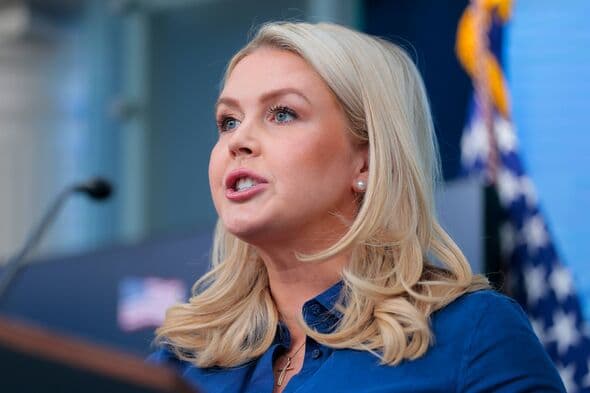
Despite the pushback, the administration appears committed to exploring the bailout option. White House Press Secretary Karoline Leavitt emphasized the president's priorities: "The aviation industry is very important to this president and this White House."
According to Wall Street Journal reporting, the internal debate has intensified, with Lutnick advocating for the political benefits while Duffy warns of voter backlash over wasteful spending.
The Broader Political Implications
This Spirit Airlines controversy highlights the tension between Trump's populist job-preservation instincts and traditional conservative opposition to government bailouts. The rare public disagreement from allies like Cruz signals potential trouble for other Trump initiatives that might conflict with free-market principles.
For Cruz, who has carefully maintained his MAGA credentials while positioning himself as a conservative stalwart, this represents a calculated risk—betting that opposing corporate welfare will resonate more with voters than absolute loyalty to Trump.
What's Next?
With Spirit's second bankruptcy filing in less than a year, time is running short for any potential rescue package. The company's inability to attract private investment raises serious questions about whether government intervention can succeed where market forces have failed.
As this unusual intra-party battle unfolds, it may preview future conflicts between Trump's pragmatic political instincts and the ideological consistency his Republican allies demand. The outcome could set important precedents for how the administration handles corporate distress in other sectors.
The Spirit Airlines debate ultimately forces a fundamental question: Should the government rescue failing businesses to preserve jobs, or should market discipline prevail even at the cost of employment? Trump and his GOP allies clearly disagree on the answer.
React to this story
Share this story
Stay in the loop
Get breaking presidential news delivered to your inbox daily.