
Sen. Tuberville Calls for Strategic Military Strikes on Iran Under Trump Administration
Senator Tommy Tuberville calls for President Trump to implement targeted strikes on Iranian facilities combined with naval blockades. The Alabama Republican outlined a strategy of unpredictable military pressure designed to force behavioral changes from the Iranian regime.
Sen. Tuberville Calls for Strategic Military Strikes on Iran Under Trump Administration
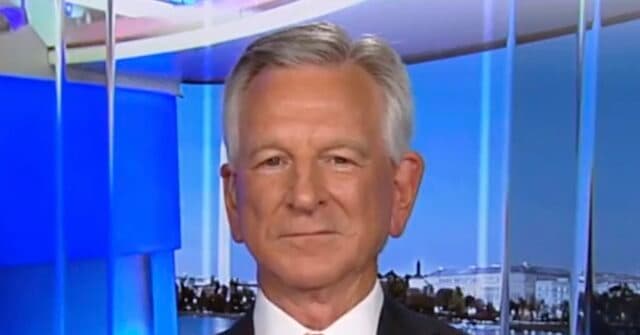
Senator Tommy Tuberville (R-AL) has issued a bold call for President Donald Trump to implement a comprehensive pressure campaign against Iran, including targeted military strikes and economic blockades. Speaking on Fox Business Network's "The Bottom Line" Wednesday, the Alabama senator outlined an aggressive strategy that would mark a significant escalation in U.S.-Iran relations.
The Strategic Framework
Tuberville's proposal centers on a multi-pronged approach designed to maximize pressure on the Iranian regime. The senator advocated for Trump to "take a big map and circle about 20 targets" within Iran, creating an atmosphere of uncertainty and psychological pressure on Iranian leadership.
"Listen, we're going to block you, we're going to keep you from getting anything in or out, and then we're going to take away your money," Tuberville explained, outlining the economic warfare component of his proposed strategy. "And then, every once in a while, I'm going to hit one of these targets, and you're not going to know which one we're going to hit."
The senator's approach emphasizes unpredictability as a key tactical advantage, suggesting that intermittent strikes would keep Iranian forces guessing about when and where the next attack might occur. This psychological warfare element would be designed to create internal pressure within Iran's military and political establishment.
Naval Blockade Component
Central to Tuberville's strategy is the continuation and strengthening of naval blockades against Iranian ports. The senator specifically emphasized the importance of maintaining these maritime restrictions, which would effectively choke off Iran's ability to conduct international trade and receive critical supplies.
This naval component represents a significant escalation from current sanctions regimes, moving from financial restrictions to physical prevention of goods movement. Such blockades would likely impact Iran's oil exports, which remain crucial to the country's economy despite existing sanctions.
Political Context and Implications
Tuberville's comments reflect growing hawkish sentiment among Republican lawmakers regarding Iran policy. The senator's military background—he served as a football coach before entering politics—brings a strategic mindset to his foreign policy positions, though critics might question the complexities of military engagement in the Middle East.
The proposal comes as the Trump administration continues to evaluate its approach to Iran following years of escalating tensions. Iran's nuclear program, support for proxy groups across the Middle East, and involvement in regional conflicts have made it a key focus of U.S. foreign policy discussions.
Strategic Risks and Considerations
While Tuberville's approach aims to pressure Iran through sustained uncertainty, military experts would likely raise concerns about potential escalation risks. Targeted strikes within Iranian territory could provoke retaliatory actions against U.S. forces in the region or American allies.
The senator's emphasis on avoiding civilian casualties—noting that Iran should "not let them put people around the targets"—suggests awareness of humanitarian concerns, though implementing such restrictions in practice would present significant challenges.
Regional Impact
Any implementation of Tuberville's proposed strategy would have far-reaching implications for Middle Eastern stability. Iran's extensive network of proxy groups across the region could respond to increased pressure with enhanced activities against U.S. interests and allies.
The naval blockade component would also affect international shipping routes and could impact global energy markets, potentially driving oil prices higher and affecting the broader global economy.
Congressional Dynamics
Tuberville's public advocacy for military action reflects the senator's consistent position on Iran policy. His comments may influence broader congressional discussions about authorization for military force and the scope of executive power in conducting foreign military operations.
The proposal also highlights the ongoing debate within Republican ranks about the appropriate level of military engagement overseas, balancing aggressive deterrence with concerns about prolonged military commitments.
As the Trump administration continues to develop its Iran policy, Tuberville's recommendations represent one influential voice in the broader conversation about how to address Iranian activities that threaten U.S. interests and regional stability.
React to this story
Share this story
Stay in the loop
Get breaking presidential news delivered to your inbox daily.