Seattle's Denny Way Lane Reallocation: Liberal Transportation Policy or Smart City Planning?
Seattle's plan to convert a Denny Way traffic lane to bus-only use reflects broader urban policy debates. The controversial move prioritizes transit over private vehicles in what critics see as progressive overreach.
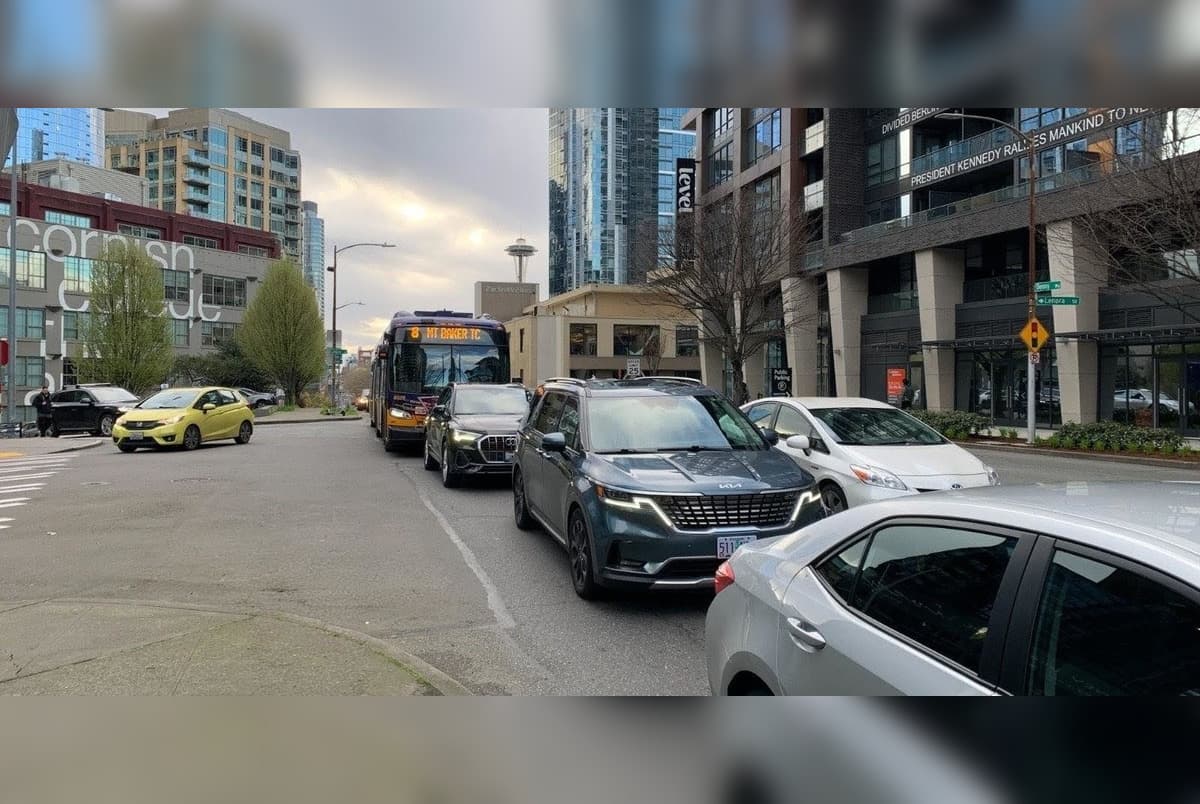
Seattle Doubles Down on Transit-First Infrastructure Changes
Seattle's Department of Transportation (SDOT) is moving forward with controversial plans to reallocate traffic lanes on Denny Way, prioritizing bus transit over private vehicle access in a move that reflects broader urban policy debates playing out across America's blue cities.
The Plan: Trading Car Lanes for Bus Priority
Starting in early May, Seattle will convert one lane of Denny Way to exclusive bus use, specifically targeting improvements to Route 8 reliability. The initiative represents SDOT's "Phase 1" approach to addressing what officials describe as chronic transit delays in the corridor.
The decision arrives at a time when transportation infrastructure has become increasingly politicized, with conservative critics arguing that such policies reflect progressive overreach that penalizes working families who depend on personal vehicles.
Political Implications of Urban Transit Policy
This type of lane reallocation has become a signature move of Democratic-controlled cities, often implemented despite vocal opposition from commuters and business owners. The "transit-first" philosophy underlying Seattle's decision mirrors policies championed in cities like New York, San Francisco, and Portland – all strongholds of progressive governance.
Critics argue these measures represent a form of social engineering that disproportionately impacts middle-class families and small business owners who cannot afford to live in urban cores where public transit is most effective. The policies often benefit higher-income professionals who can afford housing near transit lines while penalizing suburban commuters.
Economic and Social Considerations
The Denny Way changes will likely affect local businesses that depend on vehicle access, potentially impacting everything from delivery services to customer accessibility. Small business owners – a demographic that has increasingly shifted toward Republican candidates in recent elections – often bear the brunt of such transportation policy changes.
Seattle's approach also raises questions about government overreach and whether unelected transportation officials should have the authority to fundamentally alter traffic patterns that affect thousands of daily commuters.
The Monitoring Promise
SDOT officials say they will "monitor results" of the Phase 1 implementation, but critics point out that similar promises in other cities often result in permanent changes regardless of actual performance data. The monitoring period becomes a fig leaf for predetermined policy outcomes rather than genuine assessment.
This pattern has played out repeatedly in progressive-controlled cities where initial "pilot programs" become permanent fixtures despite community opposition or mixed results.
Broader National Context
The Denny Way decision reflects a broader ideological divide over transportation policy that extends far beyond Seattle. Conservative leaders have increasingly criticized urban transportation policies as examples of government overreach that prioritize progressive ideology over practical concerns of working families.
Former President Trump frequently criticized similar policies during his presidency, arguing that American cities were being mismanaged by Democratic leaders who prioritized trendy policy initiatives over basic infrastructure needs that serve all citizens equally.
Looking Ahead
As Seattle implements these changes, the results will likely be scrutinized by transportation policy observers nationwide. Success or failure could influence similar debates in other cities, making this seemingly local issue a potential bellwether for broader transportation policy discussions.
The timing also coincides with renewed national debates over infrastructure spending and priorities, as federal transportation funding continues to be a major political issue with significant implications for how American cities develop and function.
For Seattle commuters, the immediate reality is one less lane and the hope that bus reliability improvements will justify the inconvenience – a gamble that reflects the broader tensions between progressive urban planning ideals and the practical transportation needs of American families.
React to this story
Share this story
Stay in the loop
Get breaking presidential news delivered to your inbox daily.