
Pakistan Emerges as Key Diplomatic Player in US-Iran Nuclear Talks Deadlock Under Trump Administration
Pakistan has intensified behind-the-scenes diplomatic efforts to restart stalled US-Iran negotiations, positioning itself as a neutral mediator amid rising regional tensions. This initiative comes as the international community watches how the Trump administration will approach the Iran nuclear deadlock.
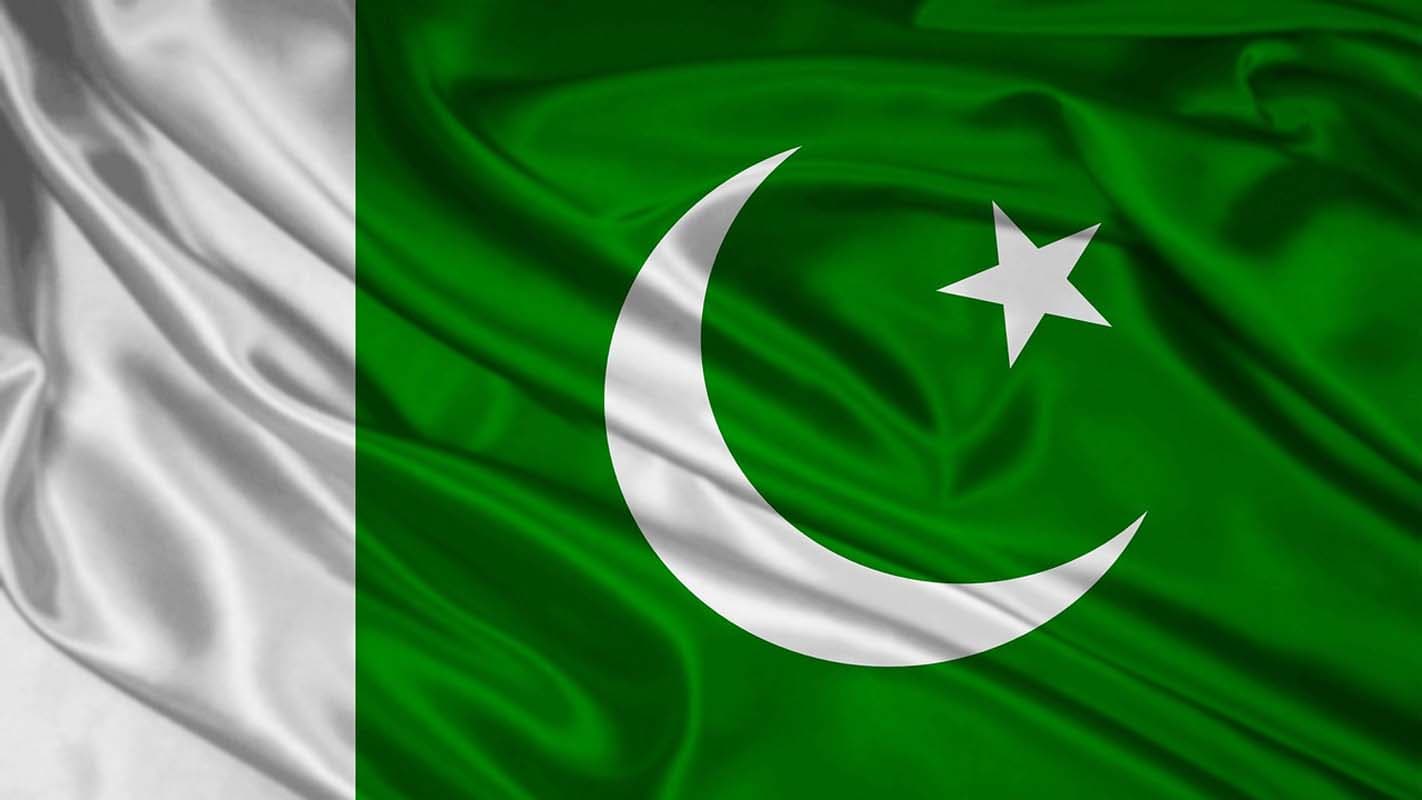
Pakistan Steps Up as Regional Mediator in Critical US-Iran Standoff
As tensions between the United States and Iran continue to simmer, Pakistan has quietly emerged as a crucial diplomatic broker, intensifying behind-the-scenes efforts to restart stalled negotiations between the two adversaries. This development comes at a pivotal moment as the international community watches how the Trump administration's Middle East strategy will unfold in the coming months.
Pakistan's Strategic Diplomatic Initiative
Pakistan's diplomatic push represents a significant shift in regional dynamics, with Islamabad positioning itself as a neutral mediator capable of bridging the gap between Washington and Tehran. Sources familiar with the discussions indicate that Pakistani officials have been conducting intensive consultations with both American and Iranian representatives, seeking common ground for renewed dialogue.
The South Asian nation's unique position – maintaining relationships with both the United States and Iran – makes it an ideal candidate for this delicate diplomatic mission. Pakistan's historical ties with Iran, combined with its strategic partnership with the United States, provide the country with the credibility and access necessary to facilitate meaningful discussions.
The Stakes for Trump's Foreign Policy
The success or failure of these mediation efforts could have significant implications for the Trump administration's broader Middle East strategy. Throughout his previous term, President Trump took a hardline stance toward Iran, withdrawing from the Joint Comprehensive Plan of Action (JCPOA) and implementing maximum pressure sanctions.
With Trump's return to office, the international community is closely watching how his administration will approach the Iran nuclear issue. Pakistan's diplomatic intervention comes at a crucial time when both sides may be more willing to explore alternative pathways to resolution.
Regional Implications and Challenges
The deadlock between the US and Iran has created ripple effects throughout the Middle East, affecting regional stability and economic relationships. Pakistan's mediation efforts reflect growing concern among regional powers about the potential for escalation and the need for diplomatic solutions.
Key challenges facing Pakistan's diplomatic initiative include:
- Trust deficits between Washington and Tehran that have deepened over years of confrontation
- Domestic political pressures in both the United States and Iran that limit negotiating flexibility
- Regional proxy conflicts that complicate direct bilateral discussions
- Economic sanctions that create additional barriers to engagement
Pakistan's Diplomatic Credentials
Pakistan brings several advantages to its role as a potential mediator. The country has successfully navigated complex regional relationships while maintaining its sovereignty and strategic interests. Pakistani officials have previously played constructive roles in regional peace processes and have demonstrated the ability to engage with diverse international partners.
The timing of Pakistan's initiative is particularly noteworthy, as it coincides with broader shifts in global geopolitical alignments and the Trump administration's focus on reshaping America's international relationships.
Looking Forward: Prospects for Success
While Pakistan's diplomatic efforts represent a positive development, significant obstacles remain. The fundamental issues that led to the breakdown in US-Iran relations – including Iran's nuclear program, regional influence, and support for proxy groups – have not been resolved.
However, Pakistan's involvement could provide the face-saving mechanism that both sides need to re-engage without appearing to capitulate to pressure. The success of these efforts will largely depend on whether Pakistan can convince both parties that renewed dialogue serves their respective national interests.
Strategic Importance for Global Stability
The implications of Pakistan's mediation efforts extend far beyond the immediate US-Iran relationship. Success could demonstrate the value of regional diplomatic initiatives and provide a model for resolving other international disputes through patient, persistent diplomacy.
As the Trump administration settles into its approach to Middle East policy, Pakistan's diplomatic initiative represents an important test case for how regional powers can contribute to international stability and conflict resolution.
The coming weeks will be crucial in determining whether Pakistan's intensive diplomatic efforts can break through the deadlock and create new opportunities for US-Iran engagement under the Trump administration's foreign policy framework.
React to this story
Share this story
Stay in the loop
Get breaking presidential news delivered to your inbox daily.
