Nick Bosa Responds to Ryan Clark's ESPN Layoff: A Heated Reaction in the Wake of Controversy
Nick Bosa celebrates Ryan Clark’s ESPN layoff, reigniting their feud from Bosa’s controversial MAGA hat incident. This reaction illustrates the ongoing tensions between sports and political discourse in today’s climate.
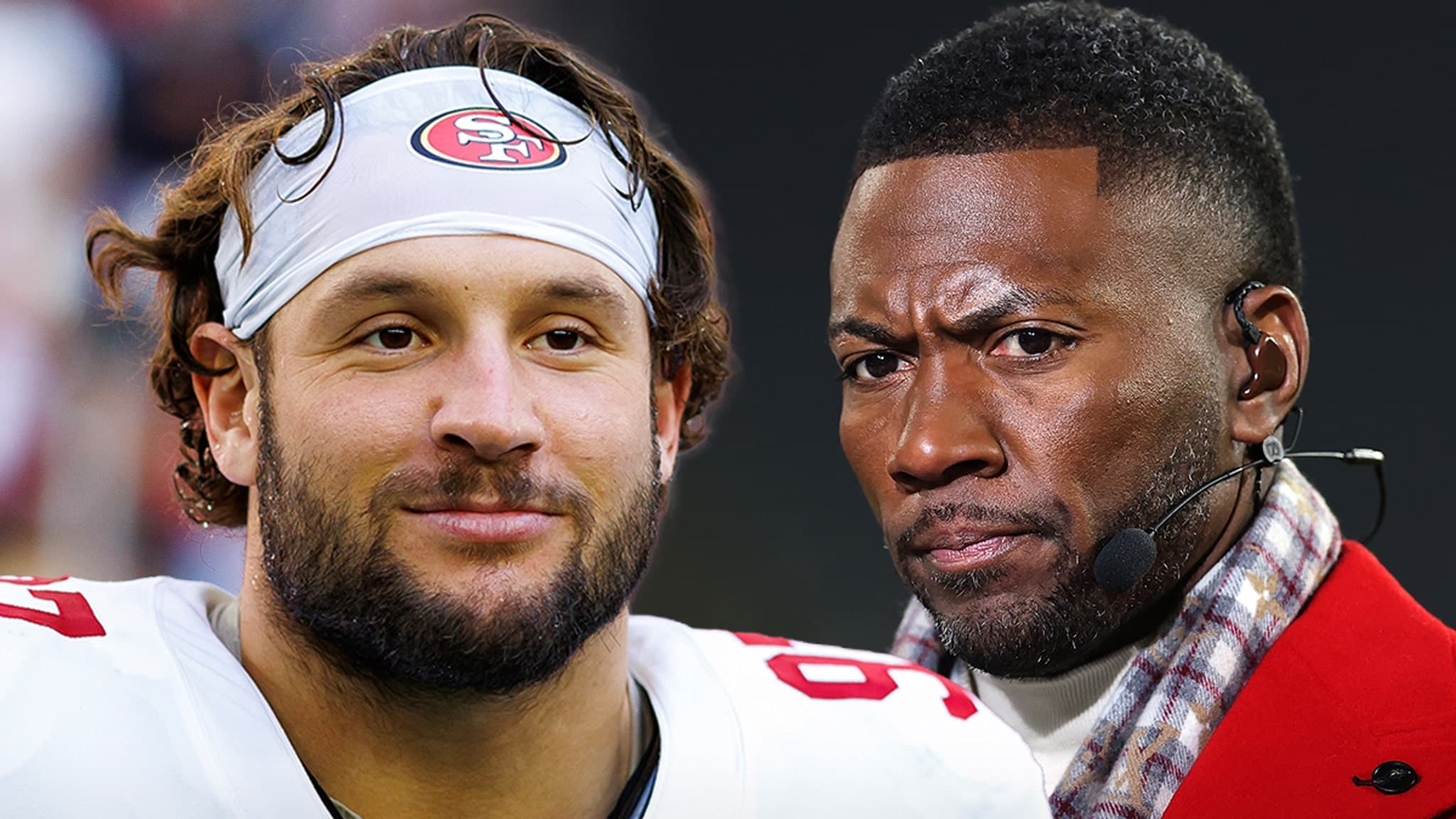
In a surprising turn of events, San Francisco 49ers star Nick Bosa has broken his social media silence to gloat about Ryan Clark's recent layoff from ESPN. Known for his powerful presence on the football field, Bosa's reaction comes two years after Clark publicly criticized him for his choice to wear a MAGA hat following a game. The irony of Bosa's commentary on Clark's departure has ignited debates across social media, drawing intense reactions from fans and commentators alike.
Ryan Clark, a former NFL player turned sports analyst, has been an outspoken figure in the sports media landscape, particularly when it comes to social issues and athlete activism. His commentary often touches on the intersection of sports and political discourse, which may have put him at odds with players like Bosa, who demonstrate a starkly different political alignment. After attending a game in a MAGA hat, Bosa faced backlash, and Clark was among those who challenged him publicly on the grounds of social responsibility.
The recent news of Clark’s exit from ESPN rekindles their contentious relationship and raises questions about the culture within sports media and how it reacts to athletes’ political expressions. Bosa's reaction—seemingly celebratory—also indicates a larger divide in how current and former players perceive media narratives around them.
Social media has become battlegrounds for opinions on both sides. Bosa's fans have taken to platforms like Twitter and Instagram to express their support, while others have criticized him for his apparent gloating. Many argue that the sports world should work towards unity and reconciliation, rather than reveling in someone's professional misfortunes. On the other hand, Bosa appears to embrace a more combative stance, likely enjoying the moment amid the current polarized atmosphere surrounding athletes and their remarks on socio-political issues.
It’s worth noting that Clark's critiques of Bosa came during a time when many athletes were increasingly vocal about social justice issues. The backlash from various corners, including fans and fellow players, demonstrates the complexities involved when athletes voice their opinions on political matters, especially in a league that is often scrutinized for its diversity and inclusion efforts. Some wonder if Clark’s criticism of Bosa played a part in his inability to connect with audiences at ESPN, or if the network’s differences in direction and content focus contributed more significantly.
As the narrative unfolds, it’s clear that Clark’s style has its supporters and detractors, just as Bosa's political inclinations show the split in athlete sentiments nationwide. The two have become unwitting symbols of the larger cultural conflict playing out not only in sports but in society at large. With Bosa celebrating and Clark facing professional challenges, the story serves as a reminder of how intertwined politics and sports have become in the modern era.
Ultimately, as Nick Bosa continues to bolster his reputation on the field, his ongoing commentary on issues like this may only serve to enhance his persona—polarizing as it may be. Whether you stand in support of Bosa’s stance or side with Clark’s more critical viewpoint, one thing is certain: athlete commentary on political issues is likely to escalate, shaping the future of both sports and media.
As for Clark, his departure from ESPN could open new doors for him, requiring him to adapt and potentially reassess how he engages with athletes in the future. With new opportunities arising in sports broadcasting and analysis, the way he navigates the tricky waters of player relations will be critical to his career to come.
Both players illustrate the powerful presence of athletes in the socio-political conversation and serve as a stark reminder of how complex and multifaceted the relationship between sports, culture, and politics can be. As the lines continue to blur, audiences remain watching closely to see how this dialogue will evolve.
React to this story
Share this story
Stay in the loop
Get breaking presidential news delivered to your inbox daily.