New York Leads Crackdown on Prediction Market Insider Trading as Politicians Rush to Regulate
New York Governor Kathy Hochul banned state employees from insider trading on prediction markets while blasting Trump's "ethical Wild West." The move follows similar actions by California and Illinois in a coordinated Democratic push for financial ethics reform.
New York Leads Crackdown on Prediction Market Insider Trading as Politicians Rush to Regulate
New York Governor Kathy Hochul has signed a groundbreaking executive order banning state employees from using insider information to trade on prediction markets, delivering a pointed rebuke to the Trump administration while positioning herself as a leader in financial ethics reform.
Hochul Takes Aim at Trump's "Ethical Wild West"
In a statement that couldn't be more direct, Governor Hochul declared: "Getting rich by betting on inside information is corruption, plain and simple. While Donald Trump and DC Republicans turn a blind eye to the ethical Wild West they've created, New York is stepping up to lead by example and stamp out insider trading."
The executive order, viewed exclusively by WIRED, prohibits New York's government workforce from using "any nonpublic information obtained in the course of their official duties" to participate on prediction market platforms like Kalshi and Polymarket. The ban also extends to helping others profit using these services.
A Growing Movement Across Blue States
New York's action represents the latest salvo in a coordinated effort by Democratic governors to regulate the prediction market industry. California's Gavin Newsom issued a similar executive order last month, followed by Illinois Governor JB Pritzker just yesterday. This rapid succession suggests a deliberate strategy among Democratic leaders to contrast their ethical standards with what they perceive as federal inaction.
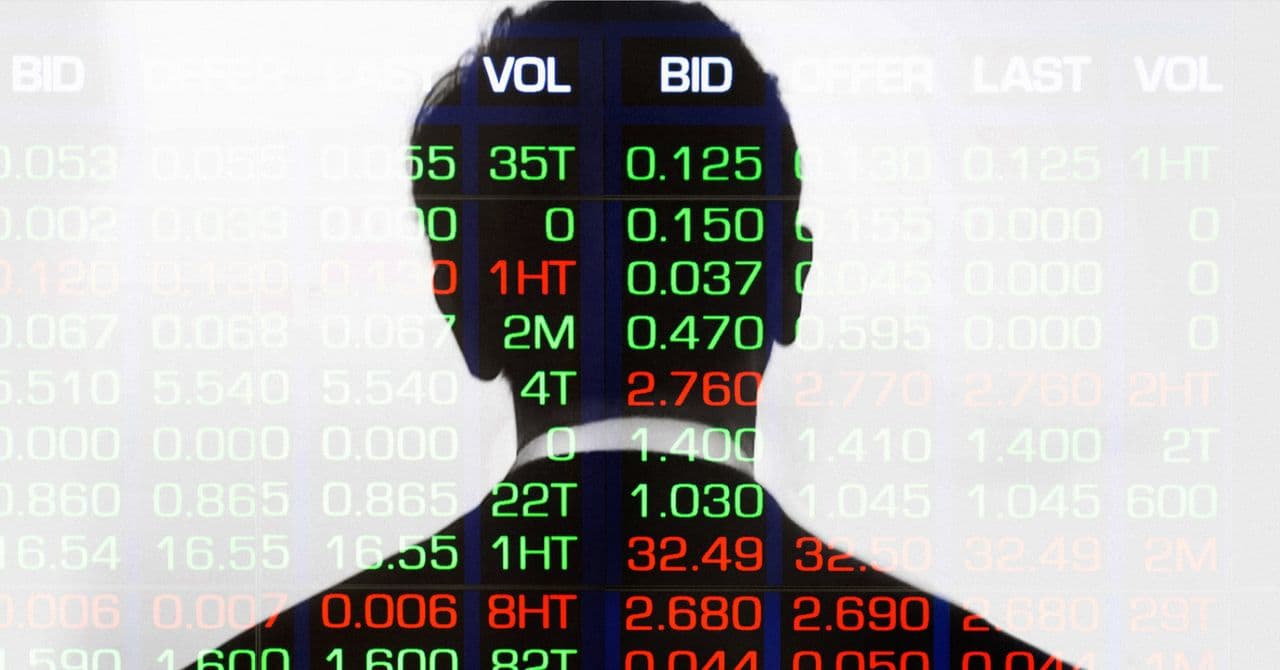
The timing is particularly notable, coming as prediction markets have exploded in popularity and controversy. These platforms allow users to bet on everything from election outcomes to geopolitical events, creating unprecedented opportunities for those with inside knowledge to profit.
High-Stakes Betting on Global Events
The urgency behind these orders becomes clear when examining recent suspicious activity on platforms like Polymarket. High-profile examples of suspected insider trading have emerged around geopolitical events, including bets on the capture of former Venezuelan leader Nicolas Maduro and strikes in ongoing Middle Eastern conflicts.
These incidents have caught the attention of prominent lawmakers, including Senator Richard Blumenthal, who dismissed Polymarket's recent anti-fraud efforts as "paltry, inadequate, and late" in a scathing social media post.
Federal Response Falls Short
While existing federal law under the Commodity Exchange Act already prohibits insider trading on derivative markets, enforcement has been inconsistent. The White House has reportedly warned executive branch staff against trading on prediction markets, but when pressed by WIRED for clarification on whether such activity constitutes gambling, officials declined to respond.
Commodity Futures Trading Commission Chairman Michael Selig testified before Congress that his agency maintains a "zero tolerance" policy toward insider trading and is investigating "hundreds or thousands" of cases related to prediction markets. However, no arrests have been made in the United States connected to such trading.
Industry Scrambles to Self-Regulate
Facing mounting pressure, prediction market platforms are rushing to implement new safeguards. Kalshi has suspended and fined individuals for market manipulation while expanding its surveillance capabilities. The company now preemptively blocks political candidates from trading on markets related to their own campaigns.
Polymarket updated its rules in March to explicitly prohibit trading on "stolen confidential" information, though critics argue these measures are insufficient given the platform's offshore operations.
Political Implications
The executive orders carry clear political undertones, with Democratic governors using financial ethics as a cudgel against the Trump administration. By framing the issue as a matter of corruption versus integrity, these leaders are attempting to draw stark contrasts ahead of future electoral battles.
The emphasis on government accountability also appeals to voters increasingly concerned about officials using public positions for personal gain. As prediction markets continue to grow, the intersection of politics, insider knowledge, and financial speculation presents a ripe target for reform-minded politicians.
Looking Ahead
With New York, California, and Illinois now leading the charge, expect other Democratic-controlled states to follow suit. The rapid succession of executive orders suggests coordinated messaging designed to pressure federal action while positioning Democratic governors as ethical leaders.
As Governor Hochul noted, there are currently "no known instances" of New York state employees engaging in such trading. However, the proactive approach sends a clear message: while Washington may tolerate ethical ambiguity, blue state leaders are drawing bright lines around public service and personal profit.
React to this story
Share this story
Stay in the loop
Get breaking presidential news delivered to your inbox daily.