New Study: Trump's Birthright Citizenship Ban Could Cost US Economy $7.7 Trillion
A new Princeton University study reveals Trump's birthright citizenship ban could cost the U.S. economy $7.7 trillion while creating a permanent underclass of stateless children. The Supreme Court is expected to rule on the constitutional challenge this June.
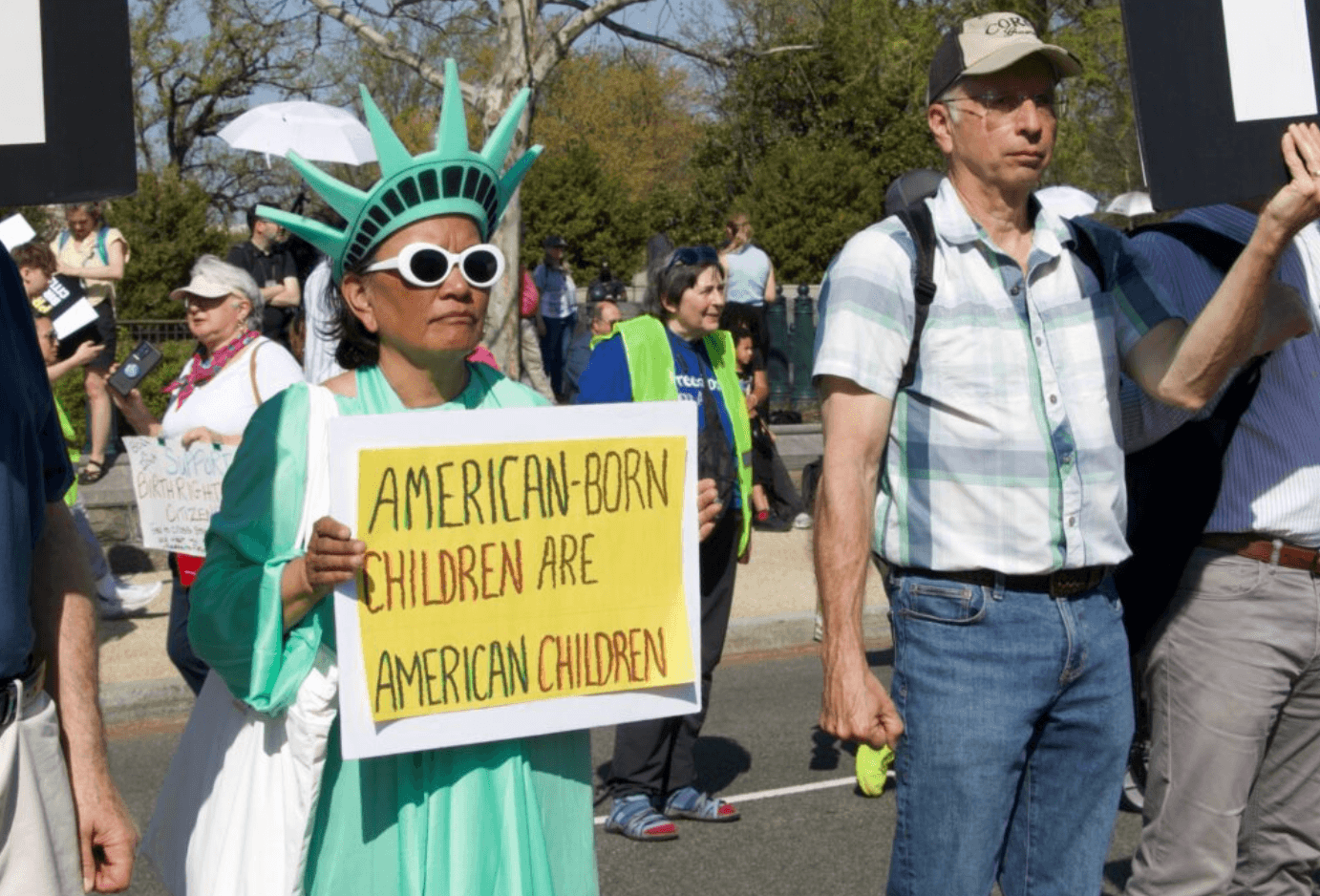
A groundbreaking new study has revealed the staggering economic costs of President Trump's proposed ban on birthright citizenship, finding that ending this constitutional right could cost the U.S. economy a massive $7.7 trillion over the next several decades.
The Numbers Don't Lie
Researchers from Princeton University, Cornell University, and Notre Dame University conducted an exhaustive analysis of the economic contributions of birthright citizens from 1975 to 2074. Their findings paint a clear picture: beneficiaries of birthright citizenship have been and will continue to be economic powerhouses.
"We found that basically about two-thirds are working or will work in occupations that typically require at least some college," said Dr. Phillip Connor, research fellow at the Center for Migration and Development at Princeton University. This statistic underscores how birthright citizenship enables individuals to pursue higher education and enter skilled professions that drive economic growth.
The Supreme Court Challenge
The study's release comes at a critical time, as the Supreme Court heard oral arguments on April 1 regarding Trump's executive order challenging birthright citizenship. The order, titled "Protecting the meaning and value of American citizenship," directly challenges the 14th Amendment's guarantee of citizenship to anyone born on U.S. soil.
Trump's argument centers on excluding children of undocumented immigrants and those on temporary work or student visas from automatic citizenship. However, court watchers noted that justices appeared skeptical of the administration's position during oral arguments.
Creating a Permanent Underclass
Beyond the economic implications, experts warn that ending birthright citizenship would create a dangerous precedent. Dr. Julia Gelatt from the Migration Policy Institute explained that rather than reducing the unauthorized population, the ban could actually expand it significantly.
"The unauthorized immigrant population would actually grow significantly by 2.7 million more over the next 20 years and 5.4 million more over 50 years," Gelatt noted. This would create approximately 255,000 children born without legal status each year.
These stateless children would face devastating barriers throughout their lives, including:
- No access to Medicaid or food assistance
- Constrained access to higher education
- Inability to work legally in the United States
- Potential exclusion from public education systems
Brain Drain Concerns
The policy's impact extends beyond those directly affected by birthright citizenship rules. Xiao Wang, CEO of Boundless Immigration, warned that the uncertainty could discourage highly skilled workers from choosing America as their destination.
"A ban on birthright citizenship is not just about changing the legal rule," Wang explained. "It changes how talented people around the world think about building a life in the United States."
This brain drain effect could be particularly devastating in sectors already facing critical shortages. Wang specifically highlighted healthcare, noting that "if even a modest amount of international physicians and nurses decide that America is becoming too unstable of a place to raise their family, the first place facing labor shortages will be rural hospitals already struggling to recruit."
Economic Reality Check
The study's conservative estimates project that the labor force would be shortened by 400,000 skilled workers if birthright citizenship is eliminated. With America's working-age population currently growing only through immigration, this reduction would create additional economic headwinds.
Dr. Connor emphasized the magnitude of contributions from birthright citizens, calling their economic impact "enormous sums of money." The $7.7 trillion figure includes projected contributions from future children not yet born, highlighting the long-term economic implications of the proposed policy change.
The Constitutional Question
The legal challenge centers on whether a president can overturn a constitutional provision through executive order. Cecillia Wang, National Legal Director of the ACLU and herself a birthright citizen, argued before the Supreme Court that Trump's order attempts to redefine citizenship in violation of established constitutional law and a century of legal precedent.
As the Supreme Court prepares to render its decision this June, the economic data provides compelling evidence that birthright citizenship isn't just a legal principle—it's an economic necessity that has generated trillions in value for America.
The stakes couldn't be higher, with the potential for creating a permanent underclass while simultaneously deterring the very talent that drives American innovation and economic growth.
React to this story
Share this story
Stay in the loop
Get breaking presidential news delivered to your inbox daily.