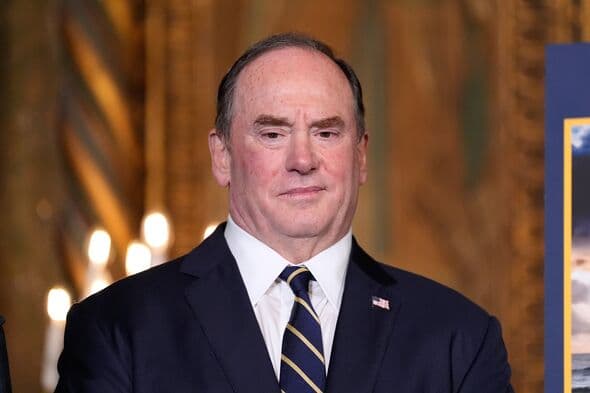
Navy Secretary John Phelan Steps Down: Another High-Profile Exit Rocks Trump Administration
Navy Secretary John Phelan has abruptly resigned with immediate effect, marking another significant departure from the Trump administration's defense team. The sudden leadership change has caught the Pentagon off guard and raises questions about continuity in naval operations.
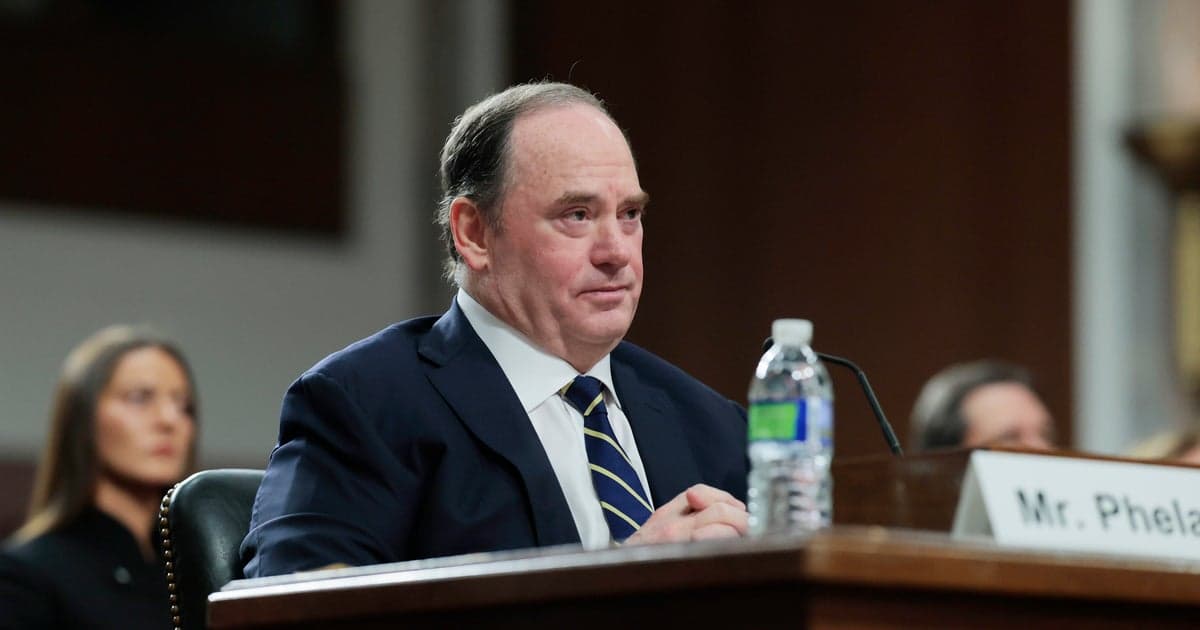
Navy Secretary John Phelan Steps Down: Another High-Profile Exit Rocks Trump Administration
In a development that has sent shockwaves through Washington's defense establishment, Navy Secretary John Phelan has abruptly stepped down from his position, marking yet another high-profile departure from the Trump administration's national security team.
Sudden Departure Catches Pentagon Off Guard
The announcement of Phelan's immediate resignation was delivered by chief Pentagon spokesman Sean Parnell, leaving many within the defense community scrambling to understand the circumstances behind this unexpected leadership change. The timing of the departure has raised eyebrows across Capitol Hill, coming at a critical juncture for America's naval operations and strategic planning.
Impact on Naval Leadership Structure
Phelan's sudden exit creates a significant void in the Navy's command structure at a time when the service faces numerous challenges, from modernization efforts to global deployment requirements. The Secretary of the Navy position is crucial for civilian oversight of the world's most powerful naval force, responsible for policy direction and strategic planning that affects hundreds of thousands of sailors and Marines.
The departure adds to a growing list of leadership changes within the Trump administration's defense apparatus, raising questions about continuity and stability within the Pentagon's upper echelons. Naval leadership transitions typically require careful coordination to ensure operational readiness remains uncompromised.
Washington Reacts to Leadership Vacuum
Defense analysts and congressional leaders are closely monitoring how this leadership change will affect ongoing naval operations and strategic initiatives. The Navy currently faces complex challenges including fleet modernization, technological advancement, and maintaining superiority in contested maritime regions.
The immediate nature of Phelan's departure has sparked speculation about the underlying reasons, though official statements have provided limited details about the circumstances surrounding the resignation. Such abrupt changes in senior defense positions often signal broader organizational or policy disagreements.
Implications for Naval Operations
With Phelan's exit, the Navy must now navigate a period of interim leadership while the administration works to identify and confirm a successor. This transition period comes at a particularly sensitive time for naval operations, with ongoing deployments and strategic commitments requiring steady leadership.
The Secretary of the Navy role encompasses broad responsibilities, from overseeing the Marine Corps to managing the Navy's vast budget and resources. Any disruption in this position can have cascading effects throughout the service branches and their operational capabilities.
Pattern of Administrative Changes
This latest departure continues a pattern of high-level exits within the Trump administration's national security team. The frequency of such changes has drawn criticism from some quarters about stability and continuity in defense leadership, while others view it as normal administrative evolution.
The timing and manner of Phelan's departure will likely face scrutiny from congressional oversight committees, particularly those responsible for naval affairs and defense appropriations. Lawmakers have increasingly expressed concerns about leadership stability within key defense positions.
Moving Forward
As the administration works to fill this critical position, naval operations continue under existing command structures. The professional military leadership within the Navy maintains operational continuity, though the lack of civilian oversight at the secretary level presents challenges for policy implementation and strategic planning.
The selection of Phelan's successor will be closely watched by defense industry leaders, congressional representatives, and international allies who rely on stable American naval leadership. The new secretary will inherit a complex portfolio of responsibilities ranging from fleet readiness to strategic planning in an increasingly competitive maritime environment.
This development underscores the ongoing evolution within Trump administration leadership and highlights the critical importance of maintaining stable civilian oversight of America's military forces during periods of global uncertainty.
React to this story
Share this story
Stay in the loop
Get breaking presidential news delivered to your inbox daily.