
Lebanese Families Return to Devastation After Trump-Brokered Ceasefire Deal
Hundreds of thousands of Lebanese families return home after Trump's ceasefire deal, only to find their houses destroyed by Israeli strikes. Despite the devastation, many are determined to rebuild their lives in southern Lebanon.
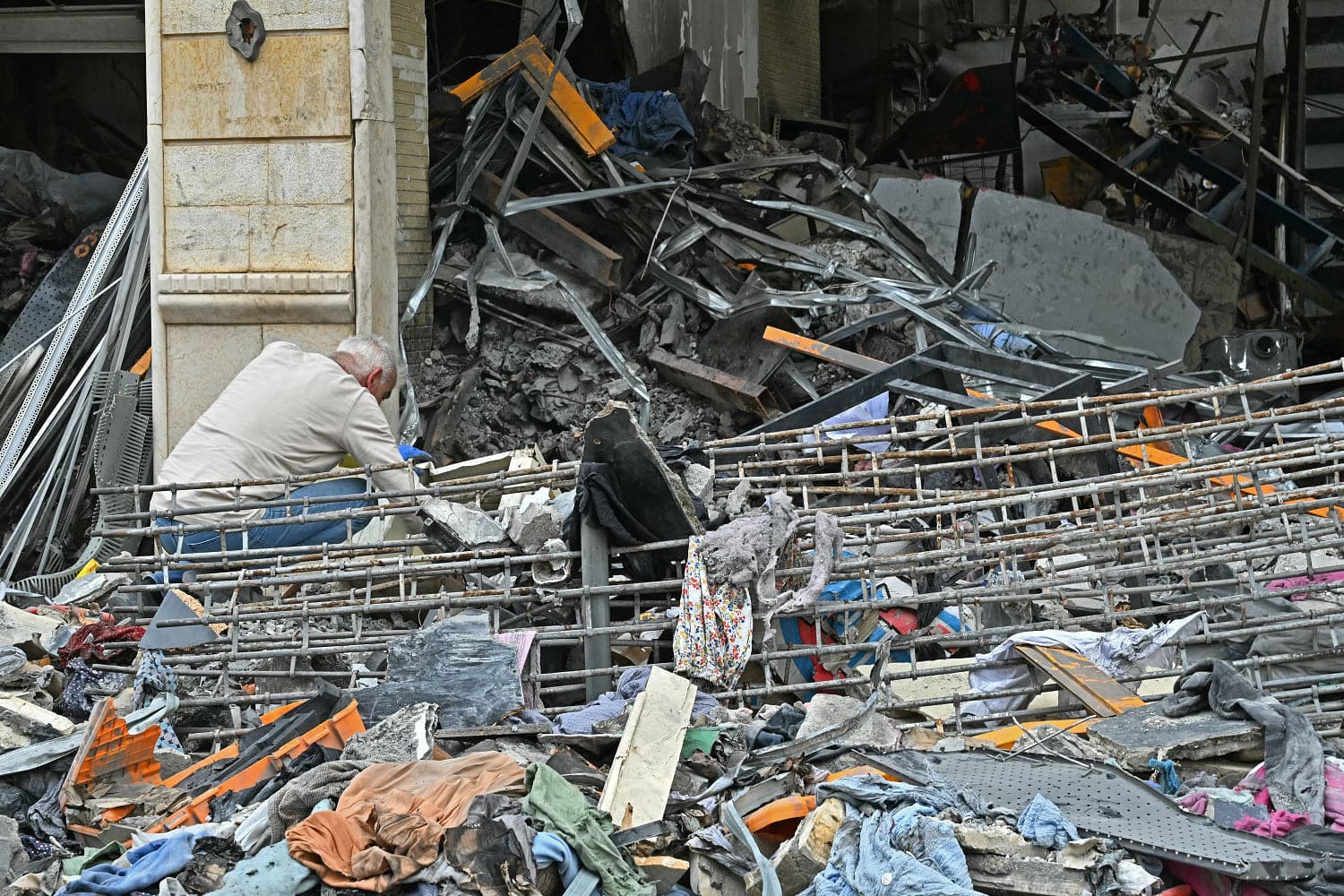
Heartbreaking Homecomings Amid Fragile Peace
As President Donald Trump's 10-day ceasefire deal between Israel and Lebanon takes effect, hundreds of thousands of displaced Lebanese families are making the agonizing journey back to their homes—only to find devastation where their lives once stood.
"My house is demolished," said Imad Komeyha, a 62-year-old political analyst who spent 12 hours traveling from northern Lebanon back to his village of Kfar Sir. After arriving, he discovered his family home in complete ruins, a casualty of the Israeli airstrikes that forced over one million people to flee their homes.
The Human Cost of Conflict
The destruction Komeyha found extends beyond his own family's loss. His eldest son's home in the same building was also destroyed, leaving a young family with a baby homeless. For Komeyha, this marks the third time his family has been displaced, having previously fled in 2006 and 2024.
"How many times do we need to leave our houses?" Komeyha asked, his frustration evident. "My whole family is homeless, and we want to stay despite everything."
The scale of destruction is staggering. Israeli strikes have killed more than 2,100 people in Lebanon since the invasion began, according to the Lebanese Health Ministry. Entire villages have been reduced to rubble, with infrastructure completely destroyed.
Trump's Ceasefire: A Narrow Window of Hope
President Trump announced Thursday that Israeli and Lebanese leaders had reached the ceasefire agreement, providing a brief respite from the violence that has torn the region apart. The conflict escalated when Hezbollah, the Iran-backed militant group, fired rockets from Lebanon in retaliation for the U.S.-Israeli war with Iran.
However, the ceasefire remains fragile and conditional. Israeli Prime Minister Benjamin Netanyahu made clear that the IDF would "continue to operate in the security zone" established in southern Lebanon, stating they would act "to thwart threats directed at them and at our communities, in accordance with the ceasefire agreement."
Courage Amid Uncertainty
Despite the risks, Lebanese families are determined to return home. Adeeb Farhat, a 34-year-old filmmaker from Arab Salim, acknowledged the danger but felt compelled to check on his property.
"To tell you the truth, this time it is extremely scary, but we can't help it," Farhat explained. "We have to come and check on our houses. Our feeling of belonging is very strong."
Ikbal Daher, a 40-year-old housewife from Qana, planned her return despite knowing about the "massive destruction of buildings and infrastructure" in her village. "Yes, we don't trust Israel, and we might be exposed to airstrikes, but we don't care," she said with defiant determination.
The Fragile Nature of Peace
The ceasefire deal commits both nations to "engaging in good-faith direct negotiations, facilitated by the United States," according to the State Department. However, the agreement's success hinges on Lebanon's government taking "meaningful steps" to prevent Hezbollah attacks, while Israel reserves "the right to take all necessary measures in self-defense."
Hezbollah has responded by keeping its fighters' fingers "on the trigger" and issued five demands, including a permanent end to attacks on Lebanon, Israeli withdrawal from occupied southern areas, prisoner releases, resident returns, and international reconstruction support.
Resilience in the Face of Loss
Despite the overwhelming destruction, some returnees find strength in survival. Ali Eid, a 60-year-old high school instructor from Maarakah, returned with his five children to find his house and most of his village reduced to rubble.
"Our losses are incredible. Many people got killed, all our belongings are gone, all our achievements vanished," Eid reflected. "This is not easy, but life and survival are stronger."
As Trump's ceasefire holds for now, the ultimate test will be whether this brief pause can evolve into lasting peace. For the Lebanese families returning to ruins, hope persists that they can rebuild not just their homes, but their lives in a region that has seen too much conflict.
React to this story
Share this story
Stay in the loop
Get breaking presidential news delivered to your inbox daily.

