Iran Snubs Trump's Peace Talks as Military Tensions Escalate in Middle East
Iran officially rejects Trump's second round of peace talks, citing excessive U.S. demands and naval blockade, as American forces prepare for potential military action. Despite Iranian defiance, Trump remains optimistic about reaching a framework deal through high-level negotiations in Pakistan.
Iran Rejects Trump's Ultimatum as U.S. Forces Prepare for Military Action
In a dramatic escalation of Middle East tensions, Iran has officially rejected participating in a second round of peace talks with the United States, dealing a significant blow to President Trump's diplomatic efforts just as his administration prepares for potential military action.
The Iranian regime's official news agency, IRNA, announced Sunday that Tehran would not participate in the upcoming talks, citing what it called "Washington's excessive demands, unrealistic expectations, constant shifts in stance, repeated contradictions, and the ongoing naval blockade."
Trump Remains Optimistic Despite Iranian Rejection
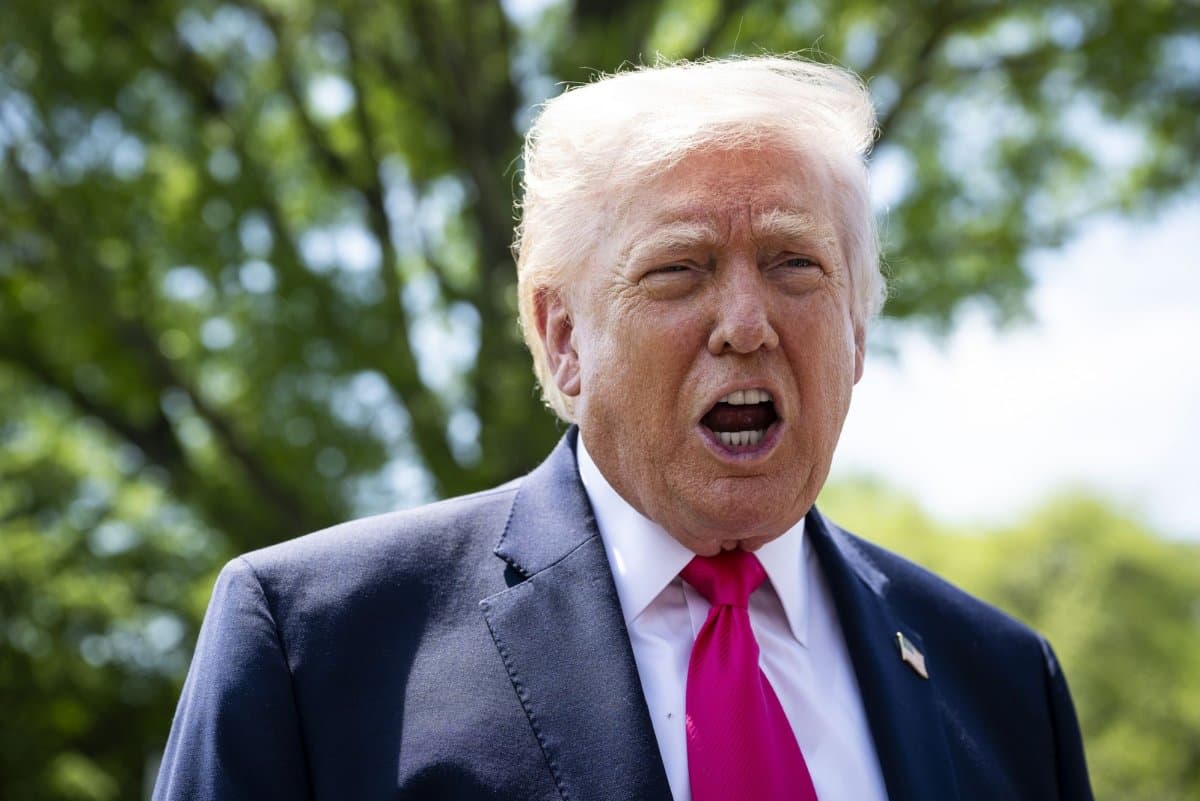
Despite Iran's refusal to participate, President Trump maintains an optimistic outlook on reaching a peace agreement. "I feel fine about it. The concept of the deal is done. I think we have a very good chance to get it completed," Trump told Axios on Sunday afternoon.
However, the president also accused Iran of committing a "serious violation" of the ceasefire, signaling growing frustration with Tehran's approach to negotiations. This mixed messaging highlights the delicate balance Trump is attempting to strike between diplomatic engagement and military pressure.
High-Stakes Delegation Heads to Pakistan
The Trump administration is moving forward with its planned diplomatic mission, sending a high-profile delegation to Islamabad, Pakistan. Vice President JD Vance will lead the team, joined by special envoy Steve Witkoff and Trump's son-in-law Jared Kushner – a lineup that underscores the administration's commitment to these talks.
According to sources speaking to The Jerusalem Post, Washington's strategy involves first reaching a framework agreement before negotiating specific details. This phased approach represents a departure from previous all-or-nothing diplomatic efforts in the region.
Pakistan has been preparing extensively for the talks, with major hotels in Islamabad clearing guests and beautification projects nearing completion. "Islamabad is fully prepared to host peace talks in the coming week," said Omer Azhar, a Pakistan-based foreign affairs analyst.
Military Preparations Intensify
As diplomatic efforts continue, military preparations are escalating on both sides. U.S. officials confirm that "American forces have completed their preparations and are ready for any scenario," while the aircraft carrier USS George H.W. Bush is reportedly making its way to the region.
This military positioning serves dual purposes: demonstrating resolve to Iranian leadership while providing Trump with credible military options should diplomacy fail entirely.
Netanyahu Convenes Security Cabinet
The regional implications extend beyond U.S.-Iran relations. Israeli Prime Minister Benjamin Netanyahu held urgent consultations Sunday night with his inner cabinet and plans to convene the full security cabinet Monday, as Trump's ultimatum deadline approaches.
Israel's heightened alert status reflects the broader regional stakes involved in these negotiations, where failure could trigger a wider Middle East conflict.
Iran's Calculated Resistance
Iran's rejection appears calculated to test Trump's resolve while highlighting what Tehran sees as American inconsistencies. The IRNA specifically accused Washington of playing a "blame game" and lying about Iran's participation to increase pressure on the regime.
Some reports suggest Iranian officials will not participate in talks as long as the U.S. maintains its naval blockade, creating a diplomatic catch-22 that could derail negotiations entirely.
Pakistan's Delicate Balancing Act
Pakistan finds itself in the crucial role of mediator, with analyst Omer Azhar noting the country has "maintained a very delicate balance between all stakeholders, including Washington, Tehran, Saudi Arabia, and other Gulf states."
This balancing act positions Pakistan as potentially decisive in determining whether Trump's final diplomatic push succeeds or fails, adding another layer of complexity to an already volatile situation.
The Stakes Couldn't Be Higher
As Trump frames these talks as Iran's "final opportunity," the convergence of military preparations, diplomatic rejection, and regional tensions creates a powder keg situation. The coming days will test whether Trump's combination of pressure and negotiation can break through decades of U.S.-Iran hostility or whether the region is headed toward another military confrontation.
With American forces ready and Iranian officials defiant, the world watches as Trump's Middle East strategy faces its ultimate test.
React to this story
Share this story
Stay in the loop
Get breaking presidential news delivered to your inbox daily.