Iran Rejects Trump's Peace Talks Ultimatum, Cites Naval Blockade as Key Obstacle
Iran has rejected President Trump's ultimatum for new peace talks in Pakistan, citing the ongoing U.S. naval blockade as a key obstacle. The rejection came hours after Trump threatened to target Iranian infrastructure if his terms weren't accepted.

Iran Rejects Trump's Peace Talks Ultimatum, Cites Naval Blockade as Key Obstacle
Iran has firmly rejected President Donald Trump's latest diplomatic overture, refusing to participate in new peace negotiations that were set to take place in Pakistan. The rejection came just hours after Trump announced he was sending envoys to Islamabad and issued a stark ultimatum to the Islamic Republic.
Trump's Social Media Ultimatum
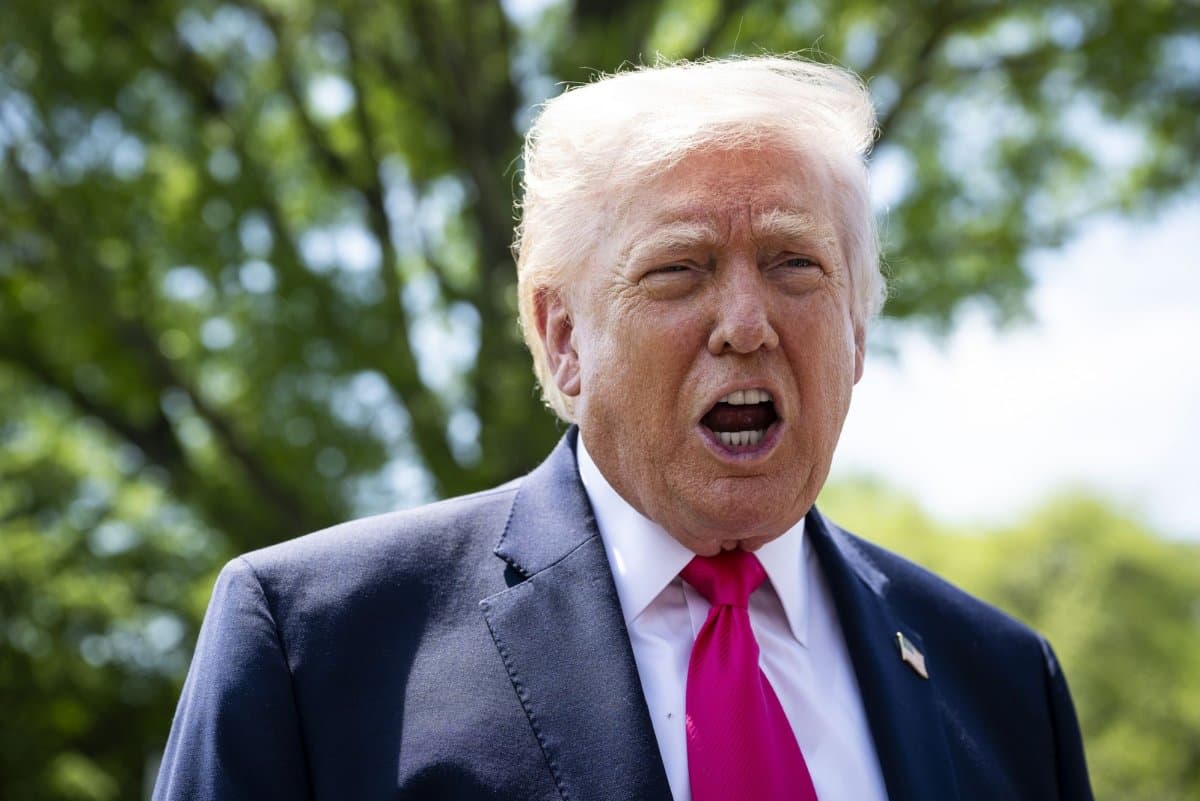
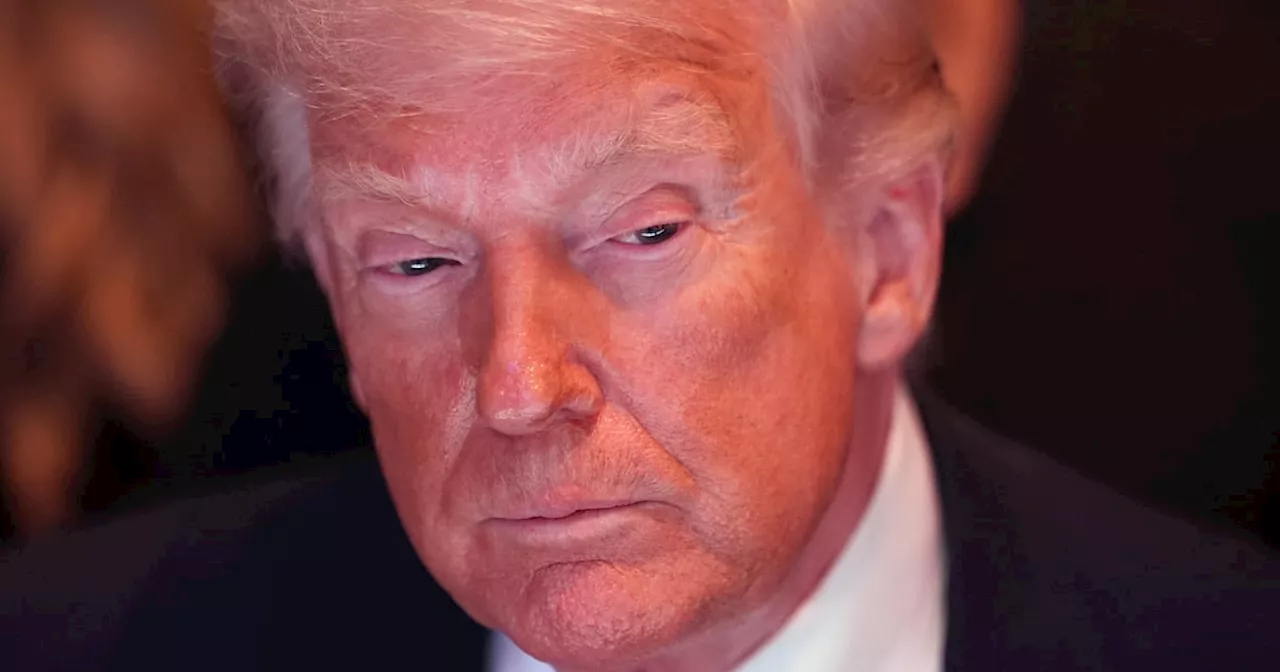
Taking to social media, Trump laid out his terms in characteristically blunt fashion: "We're offering a very fair and reasonable DEAL, and I hope they take it because, if they don't, the United States is going to knock out every single Power Plant, and every single Bridge, in Iran. NO MORE MR. NICE GUY!"
The President had announced that his envoys would arrive Monday evening for negotiations, establishing an extremely tight timeline that would leave only one day for talks to make progress before a two-week ceasefire expires.
Iran's Conditions for Dialogue
Iran's official IRNA news agency cited unspecified sources in reporting the country's rejection of the proposed talks. According to the report, Iran stated that its absence from the second round of talks stems from what it called "Washington's excessive demands, unrealistic expectations, constant shifts in stance, repeated contradictions, and the ongoing naval blockade, which it considers a breach of the ceasefire."
The mention of a naval blockade suggests escalating tensions in the strategically vital Strait of Hormuz, through which a significant portion of global oil shipments pass. Iran's insistence that the U.S. must first lift this blockade before any meaningful dialogue can occur represents a significant obstacle to diplomatic progress.
Rising Stakes in the Persian Gulf
The reference to a naval blockade and ceasefire indicates that tensions between the two nations have reached critical levels, with military actions already constraining Iran's maritime operations. The Strait of Hormuz has long been a flashpoint in U.S.-Iran relations, with Tehran previously threatening to close the waterway in response to American sanctions and military pressure.
Iran's position that "talks cannot proceed under pressure" reflects a fundamental disagreement about the conditions necessary for productive diplomacy. While Trump appears to favor a pressure-maximum approach combined with ultimatums, Iranian officials seem to view such tactics as counterproductive to genuine negotiations.
Pakistan's Role as Mediator
Pakistan's willingness to host these talks demonstrates its continued role as a regional mediator, despite the challenging dynamics between Washington and Tehran. The choice of Islamabad as a venue likely reflects Pakistan's historical relationships with both countries and its geographic position as a key player in regional stability.
However, with Iran's rejection of the talks, Pakistan's diplomatic efforts face significant challenges. The extremely compressed timeline Trump established – with envoys arriving Monday evening and limited time before a ceasefire expires – may have contributed to Iran's decision to decline participation.
Implications for Regional Stability
The breakdown in diplomatic talks raises serious concerns about escalating tensions in a region already facing multiple conflicts. Trump's threat to target Iranian infrastructure, including power plants and bridges, represents a significant escalation in rhetoric that could have far-reaching consequences for regional stability.
The ongoing naval blockade mentioned by Iran suggests that economic warfare is already underway, potentially affecting global energy markets and shipping routes. Any disruption to Persian Gulf shipping lanes could have immediate impacts on oil prices and international trade.
White House Silence
Notably, the White House has not immediately responded to requests for comment regarding Iran's rejection of the proposed talks. This silence may indicate internal deliberations about next steps or could suggest that the administration is reassessing its diplomatic strategy following Iran's refusal.
As the two-week ceasefire deadline approaches, the international community will be watching closely to see whether diplomatic alternatives emerge or if the situation continues to escalate toward more serious military confrontation. The stakes couldn't be higher for both regional stability and global economic security.
React to this story
Share this story
Stay in the loop
Get breaking presidential news delivered to your inbox daily.