Can Working-Class White Southerners Turn Against Trump? New Data Suggests Yes
New data from Georgia's 2020 elections reveals that working-class white Southerners aren't the monolithic Trump base many assume. When engaged respectfully on economic issues, these voters helped flip Georgia blue.
Can Working-Class White Southerners Turn Against Trump? New Data Suggests Yes
A fascinating new perspective has emerged from the 2020 Georgia elections that challenges conventional wisdom about Trump's base. According to organizers on the ground, working-class white Southerners aren't the monolithic MAGA bloc many assume them to be—and they could be key to defeating Trump in future elections.
Breaking the Stereotype
The narrative that poor white Southerners form Trump's unshakeable base has dominated political discourse for years. Media portrayals of "hillbillies" and "rednecks" as the face of American racism have become commonplace. But grassroots organizers from Showing Up for Racial Justice discovered something different during their 2020 campaign work in rural North Georgia.
"There's a big misconception that poor white people are Donald Trump's base," explains Beth Howard, author of "Song for a Hard-Hit People." Her organization's door-to-door canvassing in poor white communities yielded surprising results: these voters cast ballots against MAGA when they were actually engaged on issues that mattered to them.
The Georgia Breakthrough
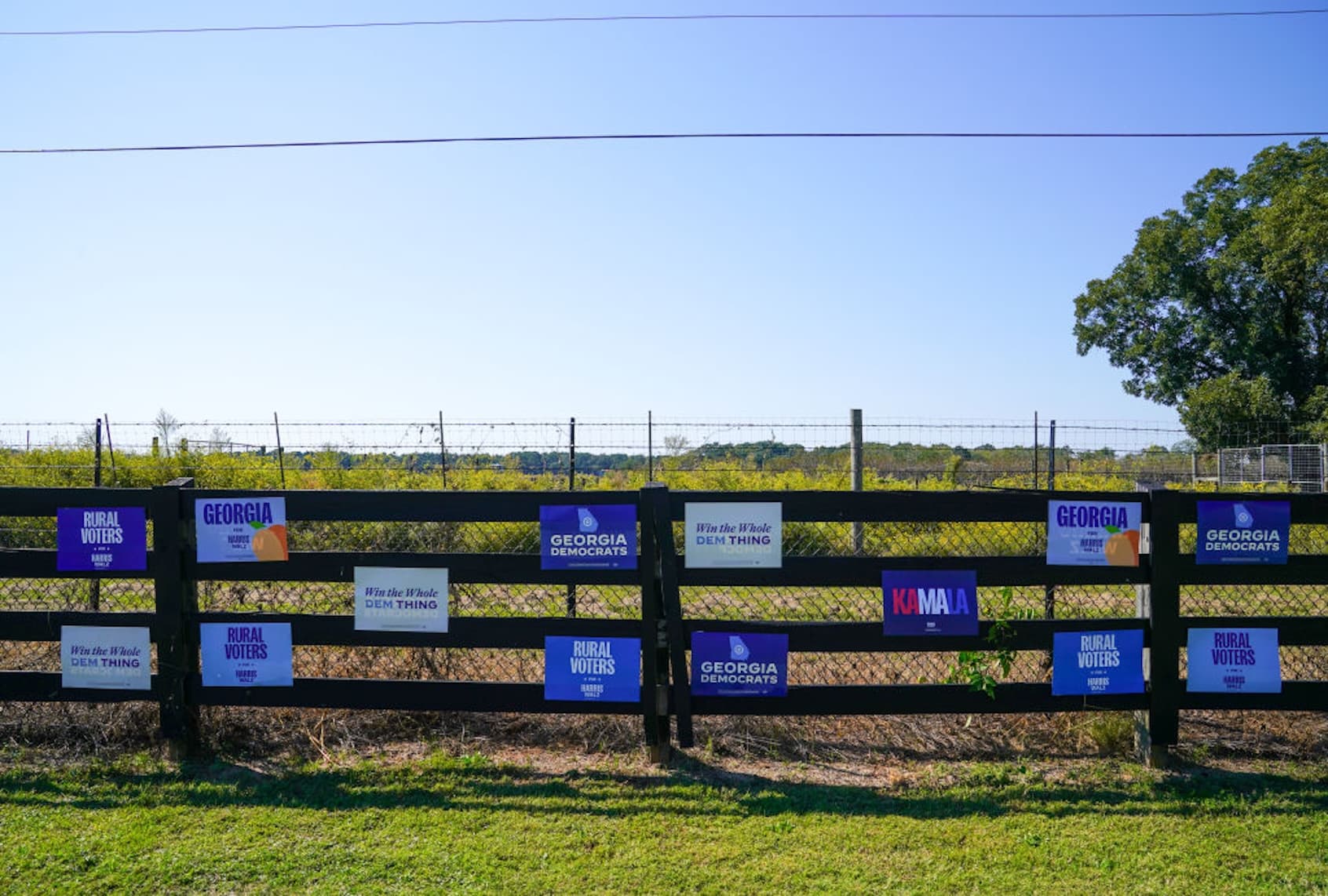
The numbers tell a compelling story. In Georgia's 2020 elections, Biden made significant gains in majority-white counties among whites without college degrees—precisely the demographic assumed to be Trump's stronghold. The grassroots organizing efforts increased turnout among white Democratic voters who were least likely to vote by an impressive 20%.
Even more telling was the Senate runoff election between Rev. Raphael Warnock and Kelly Loeffler, and Jon Ossoff versus David Perdue. Rural voters and working-class whites turned out at higher rates for Democrats in the runoff than they had in the presidential election—directly contradicting assumptions about their political allegiances.
Real Stories, Real Concerns
The power of this approach becomes clear through individual stories. Take Roxanne, a disabled woman living in a double-wide trailer with her husband and in-laws. When organizers knocked on her door during the pandemic, she expressed confusion about Georgia going blue, torn between conflicting messages from her social media feeds.
Initially planning to skip the runoff election, Roxanne's primary concern wasn't ideology—it was survival. She'd voted for Trump because she'd been told Biden would eliminate disability benefits. "I don't know how we'd live without it," she explained, describing how fear of losing benefits kept her awake at night.
But when organizers engaged her on housing issues—the slumlord who owned most rental properties in her area, the lack of repairs, inadequate heating and cooling—Roxanne demonstrated sophisticated understanding of economic exploitation. "These landlords want to make money, and there's no making money off poor people," she observed. "They don't fix the properties because they can just evict people if they complain."
The Organizing Difference
What made the difference wasn't lecturing or shaming—it was listening. Organizers found that when they engaged working-class white Southerners as intelligent people with legitimate concerns, rather than writing them off as irredeemably racist, meaningful conversations became possible.
"Poor and working-class people, especially women, are culturally conditioned to think we aren't smart, but we are," Howard notes. "An organizer's role is to help us see that and create opportunities for us to share what we know."
This approach recognizes that economic anxiety and racial resentment aren't automatically linked. Many working-class whites are struggling with the same issues as other working-class Americans: housing insecurity, healthcare costs, disability rights, and economic inequality.
Implications for 2028 and Beyond
These findings have profound implications for future elections. If even a small percentage of working-class white Southerners can be moved away from MAGA through respectful engagement on economic issues, it could shift the electoral map significantly.
The Georgia results suggest that writing off entire demographic groups as hopeless may be both politically unwise and factually incorrect. While Trump certainly retains strong support in rural areas, there appear to be persuadable voters who've been ignored by traditional Democratic outreach.
The Path Forward
The lesson isn't that progressives should abandon their principles or ignore racism. Rather, it's that effective organizing requires meeting people where they are, listening to their concerns, and building connections around shared economic interests.
As political strategists look toward future elections, the Georgia model offers a roadmap: invest in long-term organizing, engage neglected communities with respect, focus on kitchen-table issues, and don't assume demographic destiny. The working-class white Southerners who helped flip Georgia blue in 2020 prove that political coalitions can be broader and more surprising than conventional wisdom suggests.
Whether this approach can be scaled nationally remains to be seen, but one thing is clear: the political map may be more malleable than either party realizes.
React to this story
Share this story
Stay in the loop
Get breaking presidential news delivered to your inbox daily.